When Should a Dog Switch to Senior Food? A Vet Nutritionist's Decision Framework
There's no single birthday that flips a dog into "senior." Here's how to weigh breed size, body condition, and bloodwork before you change the bowl.

Practical dog feeding guides explain everyday food questions, balanced routines and when a supplement does or does not belong in the bowl.
79 guides in this section.
There's no single birthday that flips a dog into "senior." Here's how to weigh breed size, body condition, and bloodwork before you change the bowl.
A neurologist's practical read on why dogs go off food during a move, what's stress versus something that needs a vet visit, and how to protect intake through the chaos.

A board-certified veterinary neurologist explains the real fork in feeding an aging dog — matching calories to a slowing body while protecting the gut that has to process them.

A neurologist's mechanism-first look at dietary fiber for dogs — how much is enough, when more helps, and when it backfires.

A veterinary nutritionist explains why multi-dog feeding fails as a logistics problem before it fails as a nutrition one, and what actually stops the scramble at the bowl.

A practical, evidence-grounded breakdown of how much a high-drive working dog actually needs to eat, and why the number on the bag is only a starting point.

A board-certified veterinary neurologist weighs the real fracture, blockage, and pathogen risks of raw bones against what owners actually want from chew time — and lands on a specific, evidence-bounded answer.

Plain turkey meat is fine for most dogs, but skin, bones, and gravy turn a lean protein into a real risk. Here's the checklist and the reasoning behind it.

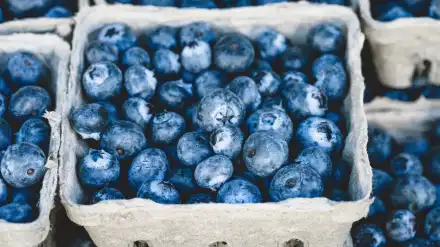
A board-certified veterinary nutritionist walks through how much blueberry is safe, how to introduce it, and when to hold off — with the research behind the advice.
A veterinary nutritionist explains what 'low-fat' really means on a dog food label, why fat is the one lever the pancreatitis literature agrees on, and where owners overcorrect.

Yes, dogs can eat watermelon in moderation. A board-certified veterinary nutritionist breaks down the seed, rind, and portion rules that actually matter.

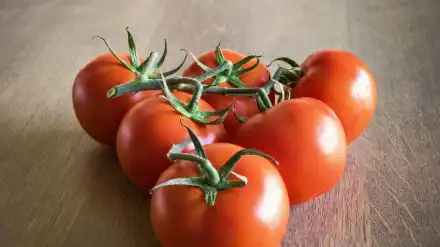
A board-certified veterinary neurologist walks through when ripe tomato is fine, why green tomato and tomato plant are genuinely risky, and how to offer it without gambling on your dog's gut.
Yes, dogs can eat strawberries safely in most cases. Here's the evidence-based case for how much, how to prep them, and who should skip them.
A neurologist-integrative vet breaks down when plain popcorn is fine for dogs, why the hull is the real hazard, and which toppings turn a movie-night treat into a vet visit.

A veterinary nutritionist breaks down why ham's salt and fat content, not the meat itself, is what makes it a treat to limit for most dogs.

A board-certified veterinary neurologist breaks down when plain green beans genuinely help a dog's diet, why the trendy 'green bean diet' worries him, and how to prep them safely.

A board-certified veterinary nutritionist breaks down whether eggs are safe for dogs, why cooked beats raw, and how to work them into a meal without overdoing it.

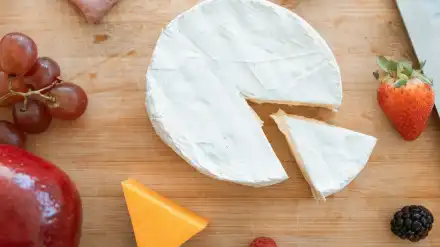
A board-certified veterinary neurologist breaks down when cheese is a fine training treat for dogs, when the fat and sodium math stops working, and which cheeses actually split the difference.

A board-certified veterinary nutritionist breaks down whether carrots are safe for dogs, how much vitamin A they really deliver, and the one prep mistake worth fixing.

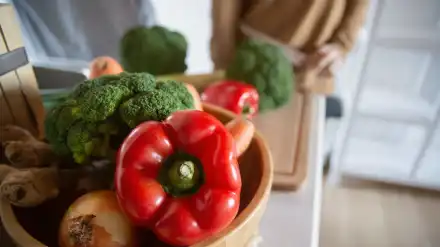
A neurologist-trained, integrative-minded vet walks through the real decision points on broccoli for dogs — isothiocyanates, stalk choking risk, the 10% rule, and when fiber becomes a liability instead of a benefit.
A vet-nutritionist breaks down when plain bread is a harmless snack for dogs, why raw yeast dough is a genuine emergency, and how much bread is too much for a dog's daily diet.

A board-certified veterinary nutritionist walks through what banana actually offers a dog, where the fiber and potassium claims hold up, and how much is genuinely reasonable to feed.

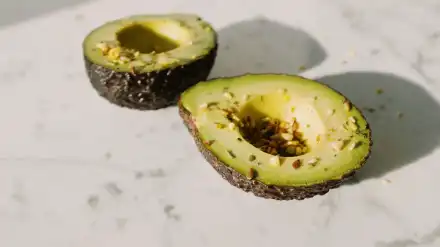
A veterinary nutritionist breaks down what happens when a dog eats avocado flesh, pit, or skin — and where the real risk sits versus the internet myth.
Apples are safe for most dogs in modest, prepared portions, but the seeds, the sugar load, and a sensitive gut all change the math. Here's how to decide.