Are Marshmallows Bad for Dogs? A Vet Explains
A board-certified internist explains why plain marshmallows are empty sugar for dogs and why xylitol-sweetened versions are an emergency.

Practical dog feeding guides explain everyday food questions, balanced routines and when a supplement does or does not belong in the bowl.
79 guides in this section.
A board-certified internist explains why plain marshmallows are empty sugar for dogs and why xylitol-sweetened versions are an emergency.
Cooked plain sweet potato makes a sound occasional topper for dogs. Learn nutrients, portions, prep, and when to skip it.

A board-certified internist explains why coconut milk is not a daily drink for dogs, how fat and additives cause upset, and what to offer instead.
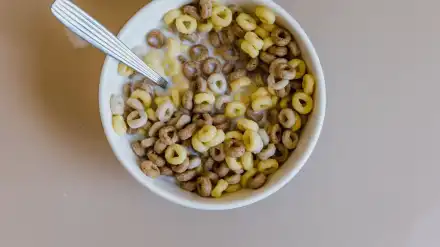
A board-certified internist explains when peeled clementine segments fit, how much is sensible, and when to skip citrus for sensitive dogs.

A board-certified internist explains when a plain cracker is tolerated, which flavors to skip, and better training rewards.

Plain cooked fish skin can work as a small treat, but seasoning, fat, and bones change the risk. A vet explains when to share and when to skip.

Fish is fine for dogs, but fish sticks add breading, oil, and salt. Learn risks and safer ways to share fish.

A vet explains when green beans help with weight control, how to prep them safely, and when to skip them.

A vet explains what makes safe puppy treats work for training, how size and texture prevent choking, and how to portion treats.
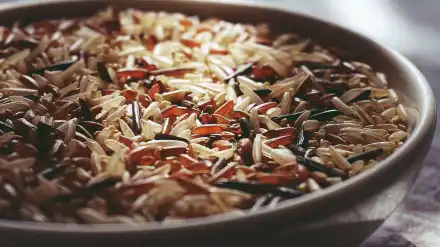
Can dogs eat mango safely? A board-certified internist explains peeled portions, pit risks, sugar and serving limits.

A vet explains what separates good kibble from average bags — nutrients, processing, and fit for age and health.
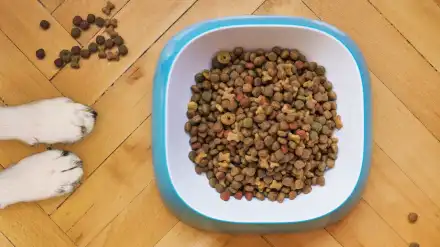
A board-certified internist explains which dogs need low-fat diets, what low fat means on labels, and why healthy dogs gain nothing.

A vet explains how to judge safe dog treats by ingredients, size, and daily calories.

Raisins can trigger unpredictable kidney injury in dogs. Learn safe storage, hidden sources, and what to do after exposure.

A board-certified internist explains when cooked eggs help dogs, how much fits in a balanced diet, and why raw eggs are not worth the risk.
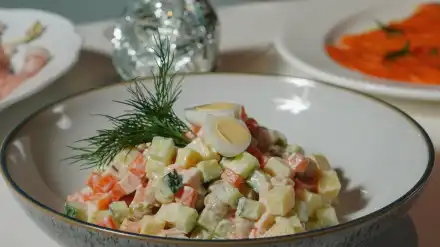
A board-certified internist explains why plain pitted black olives are not toxic but brined olives are too salty to be useful, plus pits, fat, and safe portions.

Can dogs eat chicken nuggets? A board-certified internist explains fat, salt, and seasoning risks and why plain cooked chicken is safer.

Plain cooked chickpeas are safe for most dogs in small amounts. Learn portions, prep, and why canned and hummus versions cause problems.

Grapefruit is too acidic and bitter for dogs and may cause vomiting or diarrhea. Learn why vets say skip it and what to offer instead.
Grapes and raisins can cause acute kidney injury in dogs with no safe dose. Learn signs, what to do, and safe fruit swaps.

Hummus pairs plain chickpeas with garlic, salt, lemon, and fat. A vet explains why dogs should skip the tub and what to offer instead.

A board-certified internist explains why a ketchup lick is low risk but sugary, salty, onion-seasoned recipes make a poor topper.

Plain pretzels are not toxic to dogs, but salt, butter, and seasonings make them a poor snack. A vet explains portions, risks, and safer swaps.

A board-certified internist explains when plain scrambled eggs work as an occasional topper for dogs, and when butter, salt, and add-ins cause problems.