Oct 3, 2026
A Daily Enrichment Routine for a Newly Adopted Adult Dog
A practical first-month enrichment routine for a newly adopted adult dog, with sniffing, chewing, training, and rest balanced for low-stress settling in.

Hands-on reviews and buyer's guides for the best dog gear, from harnesses to travel kits.
27 guides in this section.
A practical first-month enrichment routine for a newly adopted adult dog, with sniffing, chewing, training, and rest balanced for low-stress settling in.
A preventive, step-by-step threshold plan to stop door bolting with management, mat training, and gear that holds up daily.

Learn how to make a crate a safe space for an anxious dog with choice-based training, den setup, and realistic expectations.

A preventive, low-stress routine for dogs that freeze at the vet door — baseline behavior, Threshold training, and realistic timelines.

Why dogs pace at dusk and how to stop the loop with light, potty, pain, and settle cues.
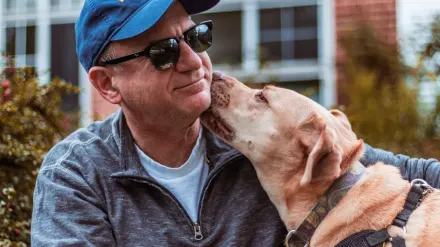
Obsessive tail chasing in dogs explained: medical causes, compulsive patterns, and when to call your vet, from Jessica Ennis DVM.

Learn why dogs steal socks for scent and attention, when it signals boredom or anxiety, and how to stop it safely.

A veterinarian explains how to build calm independence in a one-person dog with predictable rest, training, and alone-time practice.

A practical guide to what helps a dog with separation anxiety during the workday, from diagnosis to daily routine.

A vet explains when a clingy "velcro dog" is normal affection and when constant shadowing signals separation anxiety or cognitive decline in dogs.
A veterinarian explains why a dog's sudden behavior change usually traces back to pain, illness, or sensory decline — and why that exam should come before calming aids.
A vet-written decision point for when at-home practice is working and when dog separation anxiety needs a trainer, applied behaviorist, or veterinary behaviorist.
A vet explains how to tell whether a dog lunging on leash is frustrated or truly aggressive, and what to do differently depending on which one you're facing.
A vet explains the real difference between managing a dog's environment and training a new response, with a practical decision fork for anxious or reactive dogs.
A vet's guide to reading a dog's growl in context — body language, pitch, and the situations where a growl means keep going versus stop now.
A vet-informed look at why dogs mount — dominance, arousal, stress, or something medical — and how to tell which one you're actually watching.
A vet-informed comparison guide to help owners tell whether a dog's destructive or restless behavior is boredom, separation anxiety, or both — and what to do about each.
A vet's guide to reading destructive chewing correctly — the timing, targets, and body language that separate a bored dog from an anxious one, and what actually helps each.
A behavior-first breakdown of what separates a reactive dog from an aggressive one, how to tell the two apart in the moment, and what to do about each.
A veterinarian's field guide to telling real dog play from a fight before it happens, with the body signals, sounds, and timing that actually matter.
A vet's decisive breakdown of when a dog trainer is enough, when you need a certified behaviorist, and when only a veterinary behaviorist will do.
A stage-by-stage guide to stopping puppy biting and mouthing, from the 8-week needle-teeth phase through the adolescent bite-inhibition test.
A brand-neutral guide to why dogs get nippy and mouthy when overexcited, the arousal biology behind it, and the redirect-and-settle checklist trainers actually use.
A practical, vet-informed guide to stopping a dog from following you everywhere — why the habit forms, how to build tolerance for distance, and when it signals a bigger problem.
A vet-reviewed guide to why dogs growl during petting, covering pain, fear, and overstimulation triggers, safe responses, and when calming support or a vet visit makes sense.
A practical, evidence-grounded look at why some dogs melt down over garbage truck noise, how to read the fear response, and which calming strategies and ingredients have real support behind them.
A clear walkthrough of the 3-3-3 rule — the first 3 days, 3 weeks, and 3 months after adopting a rescue dog — with what to expect and how to help a nervous dog settle.