
On this page
If your dog treats every cracked door as an invitation to sprint, fix the setup before you blame the dog.
Hold the door or train the dog? Start here
Do both, in order. Management prevents rehearsal today. Training builds a new default for next month. Expectation first: no cue fixes bolting while the doorway still pays with freedom.
Picture the decision I walk through weekly: a two-year-old, 55-pound mixed-breed dog who crowds the front door every afternoon when kids come home with backpacks and the storm door swings wide. The owner can either keep wrestling his chest at the threshold or install a baby gate and teach a mat wait behind it. We chose management plus training. By day 10 he held a sit on the mat for 30 seconds while packages came inside, panting but staying put. That pause changed the whole conversation from emergency grabs to practice reps.
Pick your fork. If anyone in the home cannot close doors reliably, choose physical barriers plus leash tethers now. If your dog can already hold a 15-second mat stay in a quiet room, move straight to proofing at real doors.
Management buys you safety while training catches up.
Teach a threshold wait in five steps
Gather gear that fits your floor plan. Use a washable mat, a 6-foot leash, a front-clip harness fitted snug, and a pressure gate or exercise pen. I score that kit on the same rubric: fit around trim, durability under paws, comfort for daily stepping over, and value when you need two gates.
Shut the inner door. Clip the leash to the harness and step on the slack near a heavy table leg.
Send to mat. Toss one treat onto the mat. Mark and reward four paws on fabric.
Add duration. Pay every 3 seconds for staying, then every 5, then every 10. Release with “okay” and walk away together.
Crack the door. Open it 2 inches. Pay stillness. Close it. Repeat five times.
Widen the challenge. Open fully, knock, ring, step through, return. Pay the hold, not the break. Practice two 5-minute sessions daily for two weeks.
If arousal spikes at greetings, borrow the calm-alone reps in Independence Training for a Velcro Dog before you add visitors.
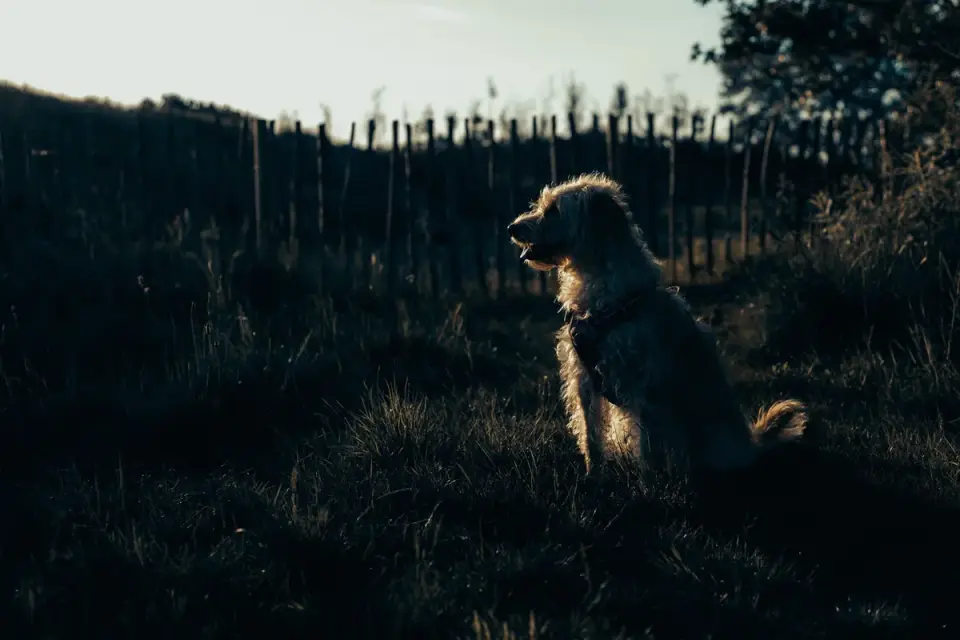
Why yelling and chasing keep backfiring
Chasing teaches speed. Yelling adds noise to motion. Both raise arousal at the exact moment you need thinking.
I also see the tradeoff when owners skip that setup and go straight to obedience. One household drilled a living-room stay with a four-year-old, 72-pound shepherd mix for treats, then tested it at the open front door with a neighbor ringing the bell. Three weeks in he still broke at the sound of the latch and sprinted to the sidewalk, ears up and tail high. The stay was not disobedience. It was context-specific and over-faced by motion, noise, and freedom. Without a leash tether and staged door openings, the reps taught him that bolting pays faster than staying.
Reset the pattern. Stop off-leash greetings at open doors. Tether during high-traffic hours. Drill short door reps with low-value distractions, then grade up. Track breaks in a phone note for seven days and adjust distance before you add duration.
Dogs that fence-run or lunge behind glass often need a different read in Barrier Frustration vs Aggression: What’s the Difference?.
Steady the arousal behind the rush
High baseline arousal makes every threshold harder. Daily exercise, sniff walks, chew time, and predictable rest may help support steadier behavior at doors. Calming herbs get asked about here, so keep expectations preventive and narrow.
A Biomedicines review notes “For the remaining species, evidence is derived mainly from preclinical studies or traditional use.” That gap matters when owners hope a chew will replace training. A Cureus review states “A systematic review analyzed multiple RCTs and concluded that ashwagandha has a moderate positive impact on stress reduction and cognitive performance.” That finding is general, not a door-bolting outcome in dogs. Human theanine data are also narrow, with one review noting “except for one study on psychotic anxiety (SMD = 0.54; 400 mg/day for 8 weeks)” in a Molecular Psychiatry analysis.
Use that context this way: maintain sleep, movement, and mat practice as the baseline, and view any calming routine as background support while you train. If panic, pacing, or destruction happens only around departures, sort it with Boredom vs Separation Anxiety: How to Tell the Difference.
When bolting is not just bad manners
Rule out medical and fear drivers when the pattern changes fast. Pain, thyroid shifts, vision loss, and noise fear can erode impulse control. Intact adolescent males may roam more, and under-exercised herding breeds may chase motion past thresholds.
Then there is the curveball that changes the plan: a nine-year-old, 48-pound beagle mix who had waited politely for years and started darting after dark. Daytime reps looked perfect, but at 9 p.m. she paced, whined, and slipped past legs toward porch lights. Pain, vision change, and nighttime restlessness can lower impulse control in seniors. We kept the same threshold training but added a vet check, brighter entry lighting, and a short decompression walk before evening visitors. By week four the pacing eased and she chose the mat without a cue. Age does not excuse bolting, but it rewrites the antecedents.
Book a preventive exam when bolting starts suddenly, clusters at night, or pairs with appetite, gait, or house-training change. Bring your seven-day break log and video of the doorway.
What I would do this week
Install one gate. Fit the harness. Run ten mat reps daily behind a closed door, then five cracked-door reps with a tether. Log breaks, shorten distance after misses, and keep greetings boring until the wait holds through a full door swing.
My position is simple: I reject door-chasing and doorway stays taught without barriers because the strongest counterargument is that smart dogs learn context fast. They do, which is exactly why staged context with management wins. What would change on your block if your dog waited every time the latch clicked?
Frequently asked questions
How long before a threshold wait holds at a real front door?
Plan on daily 5-minute reps for 2 to 4 weeks, starting behind a closed door and grading to knocking, ringing, and walking through.
Should I use stay or go to mat for bolting?
Use go to mat first because it gives paws a clear place to be; add stay duration only after the dog chooses the mat reliably.
What management stops rehearsal fastest?
A pressure gate behind the entry, a leash tether during busy hours, and a rule that no one opens the outer door while the dog is loose in the foyer.
Sources
- Traditional herbal use review for anxiety and stress — Biomedicines
- Ashwagandha systematic review on stress and cognition — Cureus
- L-theanine review including anxiety outcomes — Molecular Psychiatry