On this page
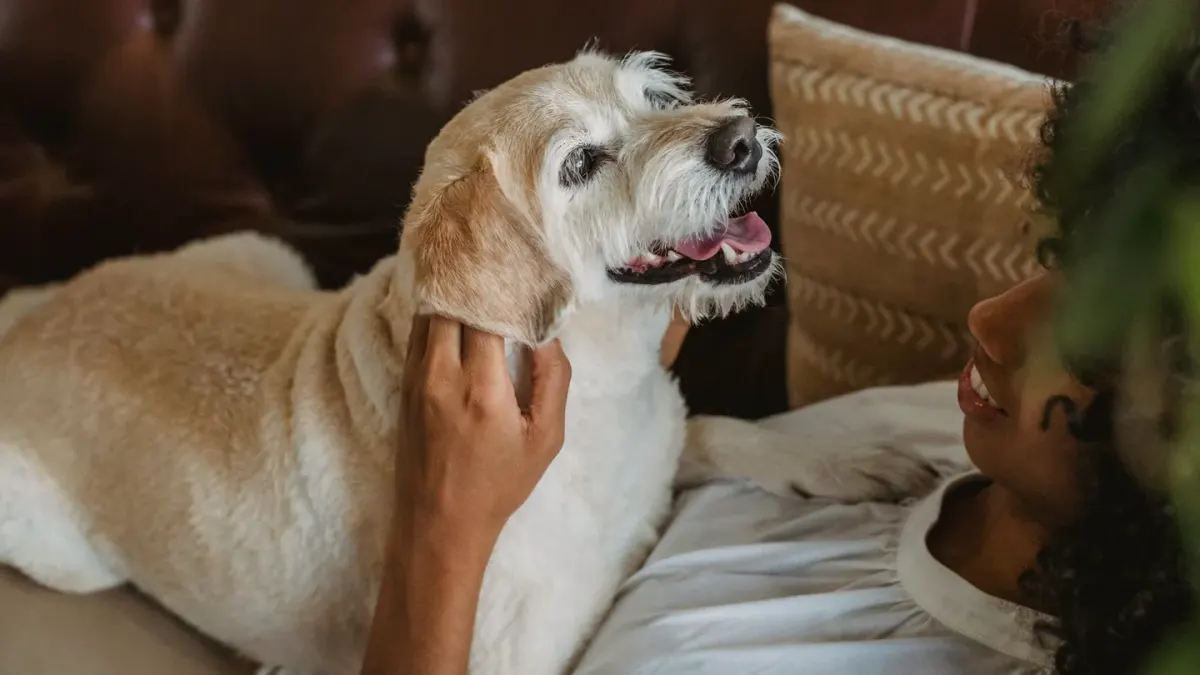
Why your dog might growl when you pet him usually comes down to pain, fear, or too much touch. It’s an alarming sound to hear from an animal you trust, but it’s rarely the mystery it feels like in the moment.
What a growl actually communicates
A growl is a warning, not an attack. Dogs use it the way we’d use a raised hand — a request to stop, delivered before things escalate. A growling dog is, in a sense, showing better communication than a silent one that bites without warning: it’s giving you a chance to change course. That distinction matters because owners often treat the growl itself as the problem, when it’s really the messenger.
Dogs growl during petting for a handful of overlapping reasons: physical pain at the contact point, fear or past trauma tied to handling, overstimulation from too much attention at once, or resource guarding if petting interrupts something the dog values, like a nap on the couch. Some dogs also growl during a startled wake-up, which is closer to a fear response than a behavioral pattern.
Pain-driven growling versus fear-driven growling
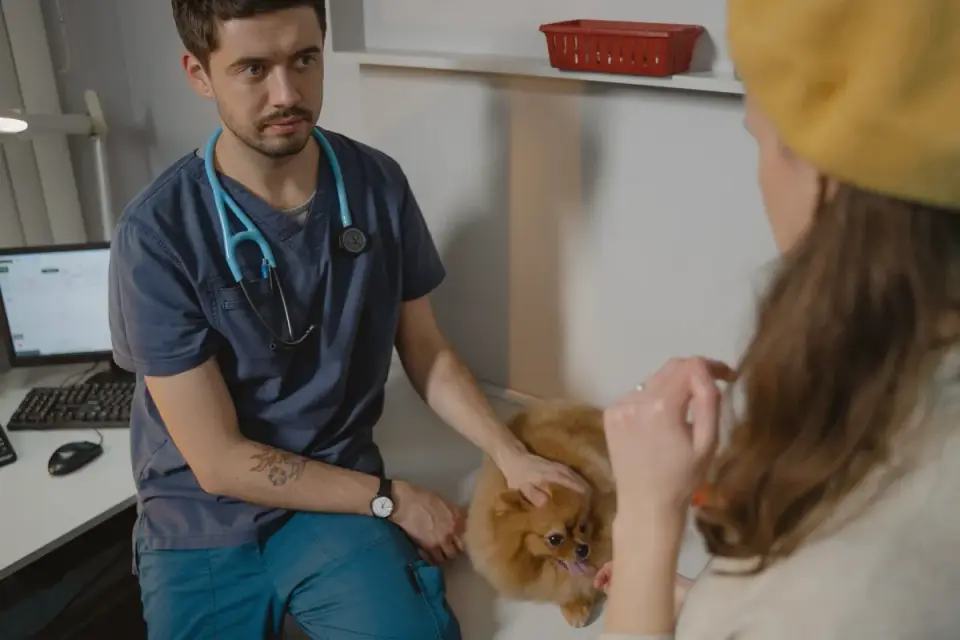
These two causes look similar on the surface but call for different responses, which is why sorting them out first saves a lot of guesswork. Pain-driven growling tends to be new, localized to a specific spot — hips, ears, belly, a healing injury — and often paired with other signs like limping, reduced appetite, or reluctance to jump. Fear-driven growling, by contrast, is usually more consistent across contexts: a dog that growls whenever a hand reaches toward its collar, or whenever a stranger leans in too fast, is reacting to the pattern of the touch rather than a sore spot.
Overstimulation sits somewhere between the two. It shows up in dogs that enjoy petting at first, then stiffen, lick their lips, or turn away before the growl appears — signals that the interaction has simply gone on too long. A vet exam is the fastest way to separate pain from fear when the cause isn’t obvious, and it should come before any training plan.
How to respond in the moment
Stop petting as soon as you notice stiffening, whale eye, lip licking, or a low growl. Waiting for the growl to escalate teaches a dog that early signals don’t work, which pushes future warnings further along the ladder toward a snap. Give the dog space, avoid direct eye contact, and let it choose whether to re-approach.
Longer term, the goal is consent-based handling: short petting sessions, frequent pauses to see if the dog leans in for more, and attention to the body parts a given dog tolerates versus avoids. This is slower than the old advice to push through a growl, but it builds trust instead of eroding it.
Where calming support fits — and where it doesn’t
Calming ingredients are sometimes part of a broader plan for fear- or overstimulation-related growling, though they’re a supplement to handling changes, not a replacement for them. Chamomile has a long history in traditional herbal care for supporting relaxation, though a review in Biomedicines notes that for most species, “evidence is derived mainly from preclinical studies or traditional use.”
Ashwagandha has firmer human data behind it: a systematic review in Cureus “analyzed multiple RCTs and concluded that ashwagandha has a moderate positive impact on stress reduction and cognitive performance.” L-theanine, an amino acid found in tea, has been studied for its calming properties as well — a review in Molecular Psychiatry found a meaningful effect in one anxiety study at 400 mg/day for 8 weeks, though that figure comes from human research and shouldn’t be read as a dosing guide for dogs.
None of this changes the first step: identify why the growl is happening before reaching for anything calming. A supplement can’t fix pain, and it won’t undo a fear association built over months of rushed handling.
When to call in a professional
Book a veterinary exam for any new or worsening growl, especially one tied to a specific body part, before assuming it’s purely behavioral. If pain is ruled out and the growling persists, a certified veterinary behaviorist or a trainer using force-free methods can build a desensitization plan suited to the individual dog. Growling that appears alongside other aggression signs, or that escalates despite careful handling, deserves professional guidance rather than a wait-and-see approach.
The growl is doing its job the moment you hear it — the work is in listening to what comes right before it.
Frequently asked questions
Is it normal for a dog to growl when you pet him?
It's common enough to take seriously rather than panic over. A single growl during petting is usually a clear signal — discomfort, fear, or overstimulation — and most dogs give it before ever moving toward a bite.
Should I punish my dog for growling when I pet him?
No. Punishing the growl tends to remove the warning, not the underlying discomfort, which can make future incidents harder to predict. Address the cause instead.
Can pain cause a dog to growl only in certain spots?
Yes. Growling that's localized to the hips, spine, ears, or belly — especially if it's new — is a common pattern with orthopedic or dental discomfort and warrants a veterinary exam before any behavior work.
Do calming supplements stop growling?
They aren't a fix for the underlying trigger. Ingredients such as chamomile, L-theanine, and ashwagandha are studied for general relaxation support, and some owners use them alongside — not instead of — training and a vet visit.