Cooked plain sweet potato is good for most dogs in small spoonfuls when the base diet stays balanced.
Yes, cooked plain sweet potato is good for most healthy dogs as a small topper, not as a meal replacement.
It brings digestible starch, soluble-type fiber, beta-carotene as a vitamin A precursor, vitamin C, manganese, and potassium in a soft, low-fat package. I read that profile the way I read any ingredient panel: what it contributes, what it lacks, and how much room it can take without crowding out complete nutrition.

What a spoonful actually contributes
For dogs with normal gastrointestinal function, a tablespoon or two of mashed, baked, or boiled sweet potato can support normal stool form because cooked starch and fiber hold water and add bulk. The effect is dose dependent. Too much adds excess calories and displaces protein, calcium, phosphorus, and essential fatty acids that a complete diet in line with VCA Hospitals feeding guidelines is formulated to provide.
Kali, an 11-year-old spayed female Rottweiler I treated in Colorado Springs, illustrates the ceiling well. Her owner Gerald was mixing nearly a cup of mashed sweet potato into each meal for soft stools. Her stools firmed slightly, but she began leaving kibble behind and losing weight. When we cut the topper to two tablespoons per meal and kept her base diet constant, her intake stabilized and her stool quality held.
How to prepare it so it stays a plus
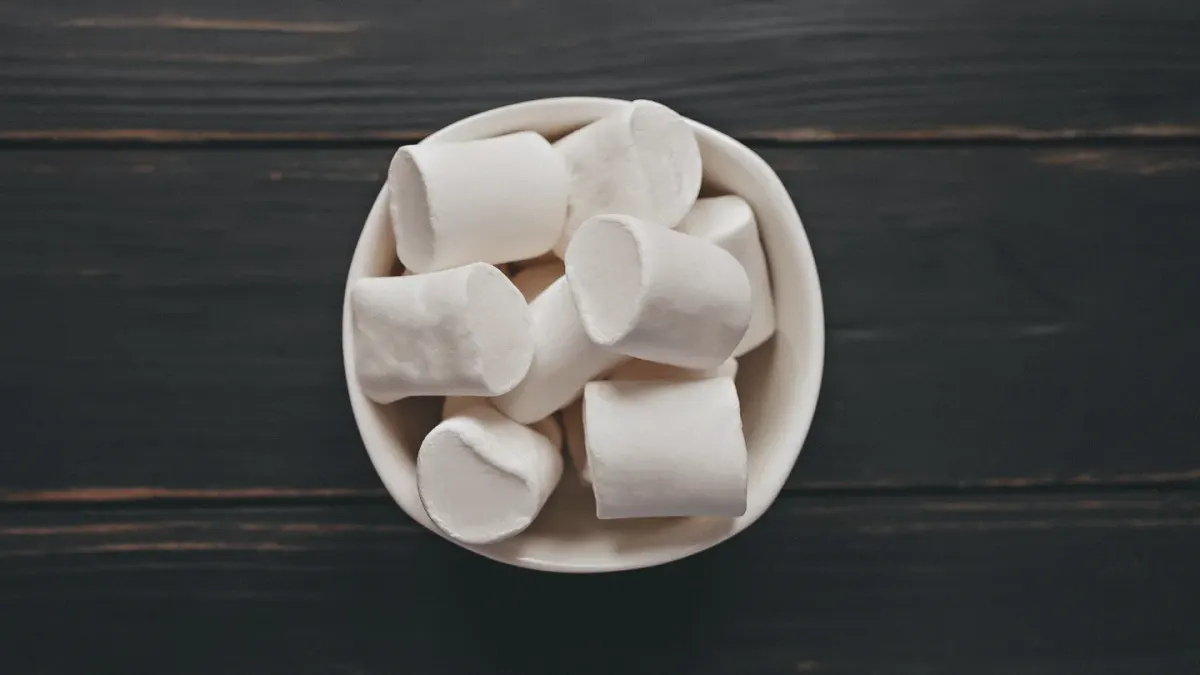
Peel, bake, boil, or steam until very soft, then mash or dice with no butter, oil, marshmallow, brown sugar, salt, onion, or garlic. Cool to room temperature before serving. Skin can be fibrous and harder to chew, so I remove it for small dogs and seniors. Raw cubes and dehydrated chips that stay hard are a chewing and intestinal-blockage concern, especially for gulpers. For context on preparation and measured portions, see Can Dogs Eat Sweet Potato? Prep, Portions, and What the Research Actually Says.
Keep the total of toppers and treats near 10% of daily calories. For a 20-pound dog eating about 500 calories per day, that leaves roughly 50 calories for all extras combined. One to two tablespoons of plain mashed sweet potato fits inside that budget. Larger dogs can take a few tablespoons, while toy breeds often need only one teaspoon to start. Introduce any new fiber over three to five days and watch stool form, flatulence, appetite, and itch.
When to pause or choose another option
Skip sweet potato as a daily staple for puppies, pregnant or nursing dogs, and dogs with chronic kidney disease, diabetes, calcium oxalate stones, chronic diarrhea, or unexplained weight loss until your veterinarian sets the plan. The natural sugars and starch raise the glycemic load, and large volumes dilute protein and minerals growing or ill dogs cannot spare. If your dog takes insulin or a renal or urinary diet, ask before adding starchy toppers.
Owners sometimes ask whether sweet potato causes dilated cardiomyopathy because it appears in some grain-free recipes. The U.S. Food and Drug Administration has reported an association under investigation between certain grain-free diets high in peas, lentils, and potatoes and non-hereditary DCM, without establishing causation for sweet potato itself. That history is another reason I keep sweet potato as a condiment rather than a base. Dogs with heart murmurs, fainting, exercise intolerance, or breeds at higher DCM risk need a complete, well-tested diet first. Similar caution applies at the table with truly toxic plant foods described in Are Onions Toxic to Dogs? Yes — Here’s the Dose, the Damage, and the Fork in the Road and Are Raisins Toxic to Dogs? Yes — The Mechanism and the Real Risk Window.
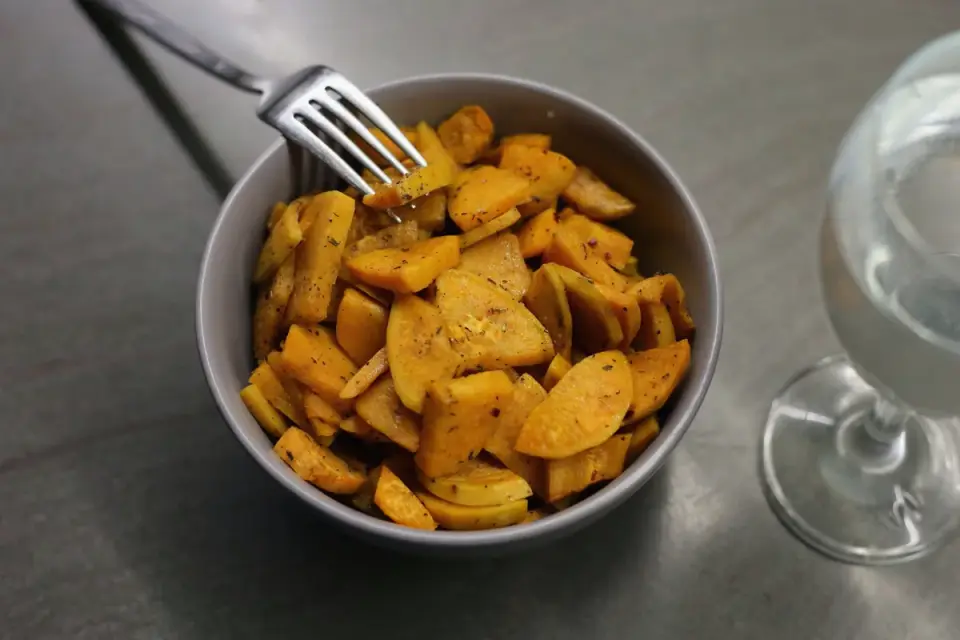
Plain, soft, and small is the test. When the base diet remains complete and the portion stays measured, sweet potato earns its place as a useful topping that supports normal digestive function without unbalancing the bowl.
Frequently asked questions
How much sweet potato can I give my dog?
For most healthy adult dogs, start with 1 teaspoon for small dogs or 1 to 2 tablespoons for medium to large dogs, kept within 10% of daily calories from all treats and toppers.
Should sweet potato be raw or cooked for dogs?
Cooked plain. Peel and bake, boil, or steam until soft with no seasoning, butter, or sweeteners, then cool before serving.
Can sweet potato replace my dog's regular food?
No. It is low in protein and missing key minerals and fatty acids, so use it as a small topper over a complete and balanced base diet.
Sources
- Questions & Answers: FDA's Work on Potential Causes of Non-Hereditary DCM in Dogs — U.S. Food and Drug Administration
- Nutrition - General Feeding Guidelines for Dogs — VCA Hospitals