On this page
The fork isn’t whether a carrot is dangerous. It’s whether the piece in your hand is the right size for the dog in front of you.
Here’s the checklist I’d actually use before tossing one over:
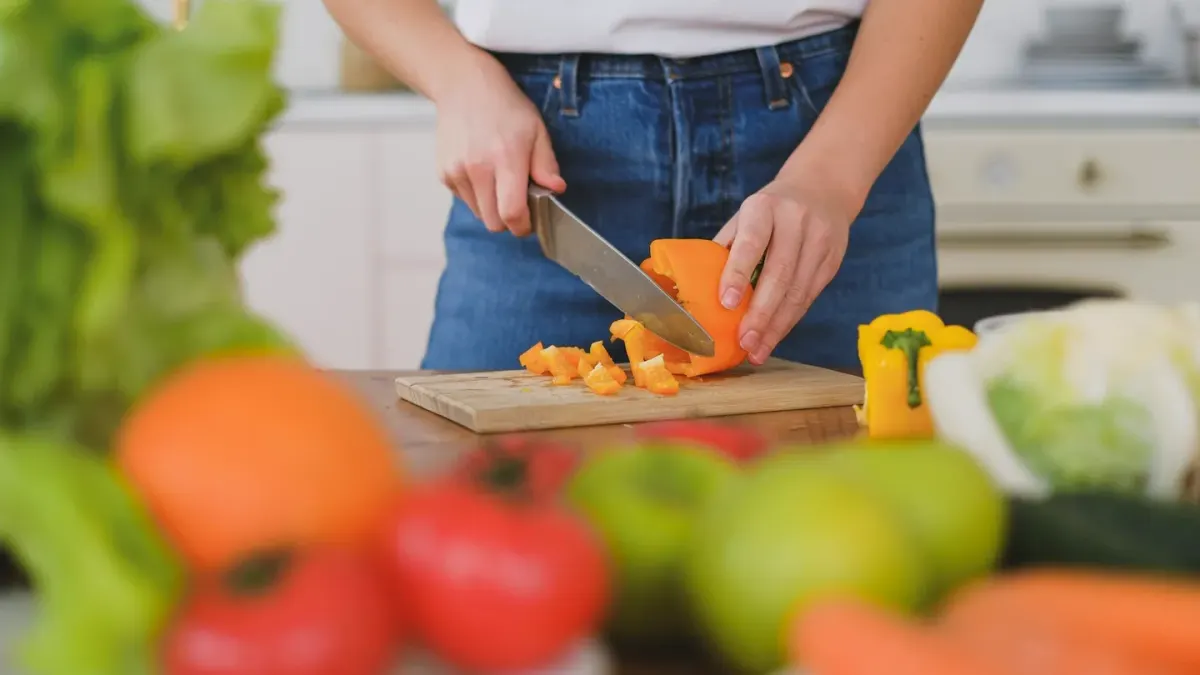
- Size the piece to the dog. Coins no thicker than a quarter-inch, or baby carrots split lengthwise, for anything under 25 pounds.
- Match texture to chewing style. Gulpers and seniors with worn teeth do better with steamed or lightly cooked carrot than raw.
- Cap the amount. Treats, carrots included, shouldn’t run past roughly 10% of a dog’s daily calories.
- Watch the exceptions. Dogs with diabetes, pancreatitis history, or a sensitive gut need a slower, smaller introduction — or a skip, if your vet says so.
- Skip the seasoning. Plain carrot only; butter, salt, or a garlic-heavy roasting pan turns a fine snack into a problem (garlic is its own conversation — see Is Garlic Safe for Dogs in Small Amounts?).
That’s the practical version. Here’s the reasoning behind each line.
What’s actually inside a carrot, nutritionally
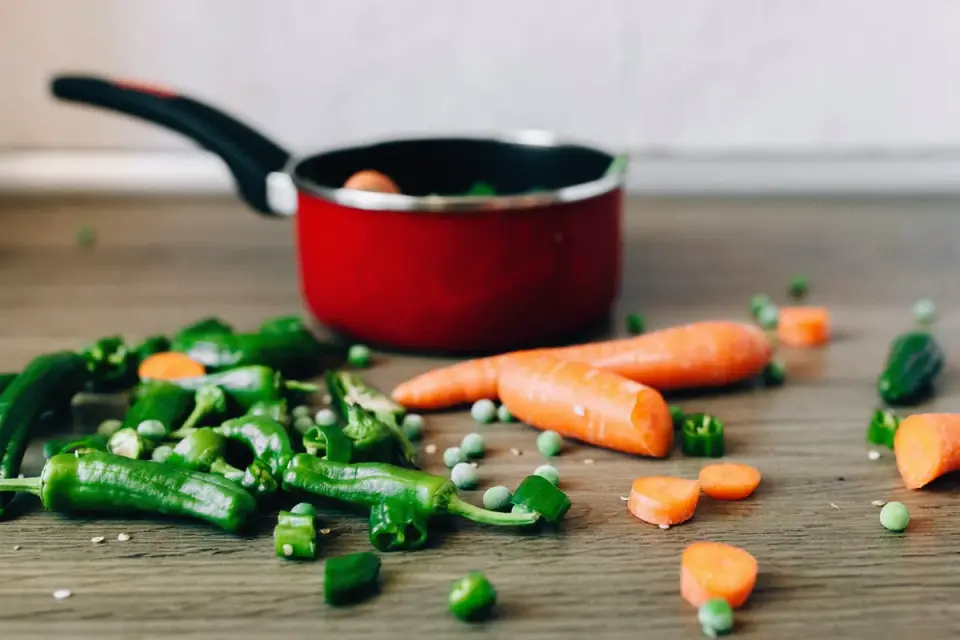
A carrot is mostly water and fiber, with a modest dose of beta-carotene, the orange pigment dogs can convert to vitamin A in the intestine and liver, alongside small amounts of potassium and vitamin K1. None of that is exotic. It’s the same reason American Kennel Club and PetMD both list carrots among the vegetables that are fine for dogs in moderation — low calorie, decent fiber, nothing in the plant itself that’s toxic to the species. The fiber is the part I actually care about clinically. It can firm up loose stool, and it also means a dog can overdo carrots and get the opposite problem — gas or softer stool from too much fiber too fast. Neither outcome is dramatic, but it’s avoidable with portion control most owners never bother with.
The vitamin A math I wouldn’t lean on
Beta-carotene conversion is where owners overestimate what a carrot is doing. Dogs can use beta-carotene as a source of vitamin A, but the conversion efficiency isn’t precisely mapped the way it is in some other species, and a carrot isn’t a dosed, standardized ingredient the way a supplement or a complete diet is. I’d weigh what a carrot can realistically do for a dog’s diet: it’s a fiber-forward, low-calorie snack with a nutritional bonus attached, not a vitamin A strategy. If a dog has a genuine skin, coat, or eye-health goal, that belongs in the framework of a complete diet or a labeled supplement with an actual dose on it — not in an ad hoc vegetable.
Picture a lab mix that’s been circling the kitchen island since dinner started, the kind of dog whose whole personality shows up the second a knife touches a cutting board. The owner has been told, correctly, to cut back on store-bought treats because the dog is carrying extra weight. Carrots feel like the obvious swap, and for calorie count alone, they are. But if that same owner starts handing over whole baby carrots two at a time because the dog inhales food, they’ve traded a calorie problem for a choking and blockage risk — the more common way carrots actually cause harm. The fix isn’t skipping carrots. It’s cutting them into pieces that match how fast this particular dog eats.
Raw versus cooked: a debate I don’t think is close
Some owners assume raw is automatically healthier, the way it gets framed for humans. For dogs, I land on prep matching the dog, not a blanket rule. Raw carrot holds more of its crunch and takes longer to eat, which some dogs need as enrichment. Cooked carrot is softer, easier to break down, and lower-risk for a dog with dental wear, a history of GI sensitivity, or a tendency to swallow first and chew never. The counterargument — that cooking destroys nutrients — has some truth to it for a few heat-sensitive compounds, but carrots aren’t a dog’s primary nutrient source to begin with. I’d rather a senior dog get a mushier carrot they can actually process than a “more nutritious” raw piece that turns into a vet visit. If you’re already navigating a senior dog’s changing digestion, the same logic about intolerance to sudden dietary shifts shows up in switching a senior dog to a new food — go slow, watch the stool, adjust from there.
Who should slow down or skip it
Dogs managing diabetes need carbohydrate-containing treats, carrots included, factored into the day rather than added on top. Dogs with a history of pancreatitis or a currently sensitive gut are better served introducing any new fiber source, carrot or otherwise, in small test amounts — the same caution I’d apply to sweet potato, another fiber-forward vegetable owners default to. And small-breed or brachycephalic dogs deserve the smallest cut, full stop, because their airways have the least margin for error.
Where I land
Carrots are safe for the overwhelming majority of dogs, and I don’t think the ingredient itself deserves the hesitation some owners bring to it. What deserves the hesitation is the piece size and the amount, not the vegetable. Cut it small, keep it occasional, and don’t ask a carrot to do a supplement’s job.
Frequently asked questions
Can puppies eat carrots?
Yes, in small, soft, well-supervised pieces. Puppies have smaller airways and less chewing discipline than adult dogs, so lightly steamed coins are a safer starting point than raw chunks.
Are cooked carrots better than raw for dogs?
Neither is unsafe on its own merits — cooking softens the piece so it's easier to chew and pass, which matters more for small dogs, seniors, and fast eaters than any nutrient difference.
Can carrots replace a vitamin A supplement?
No. Carrots supply beta-carotene, which dogs can convert to vitamin A, but they aren't a reliable or dosed source — treat them as a diet addition, not a substitute for a formulated diet or supplement.