On this page
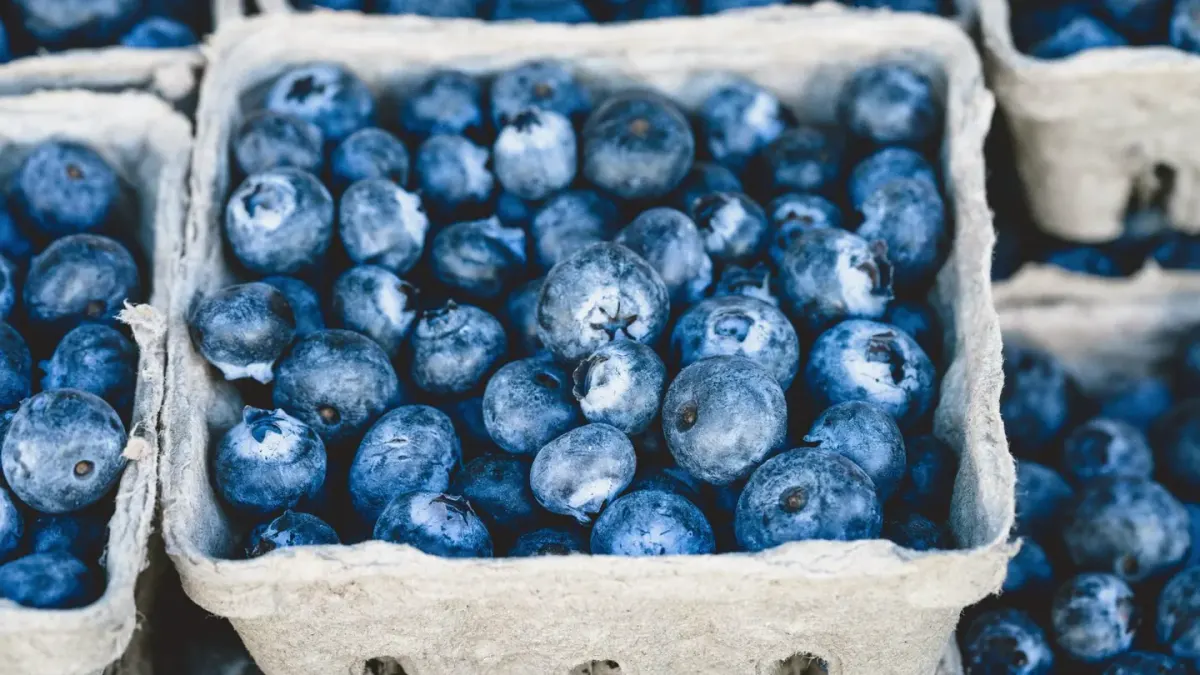
Yes, dogs can eat blueberries, and they’re one of the few fruits I recommend without hesitation, in the right portion. Here’s what to actually do: wash them, offer a small handful sized to your dog’s weight, cut them in half for puppies or small breeds, and treat the whole exercise as a snack, not a meal supplement. The rest of this guide is the fine print behind that instruction — worth reading before you hand over the bag.
The First Handful
Picture the scene that plays out in kitchens everywhere during berry season: someone is rinsing blueberries for their own breakfast, a dog is sitting at their feet with the particular stillness dogs reserve for food they suspect is coming, and a few berries roll off the counter. The dog eats them before anyone can react. Nothing happens. That accidental first exposure is usually how a dog’s blueberry habit starts, and it’s a reasonably low-stakes way to begin — per American Kennel Club research, blueberries aren’t on the short list of fruits that cause real toxicity in dogs, unlike grapes or raisins. But an accidental handful is different from a deliberate one, and the deliberate version is where portion and prep start to matter.
What’s Actually in a Blueberry
Blueberries are mostly water, a modest amount of natural sugar, and a meaningful dose of fiber and antioxidant compounds called anthocyanins — the same pigments that give the fruit its color. A Effects of Blueberry Consumption on Preference, Digestibility, and Oxidative Balance in Dogs: PMC-indexed study on dogs found that adding blueberries to a commercial diet measurably shifted markers of oxidative balance after a period of controlled exercise, which is a more concrete data point than most fruit-and-dog claims get. That doesn’t make blueberries a supplement replacement. It makes them a produce item with a defensible nutritional argument behind it, which is more than I can say for a lot of what ends up in the treat jar.
Portioning It Right, From Puppy to Senior
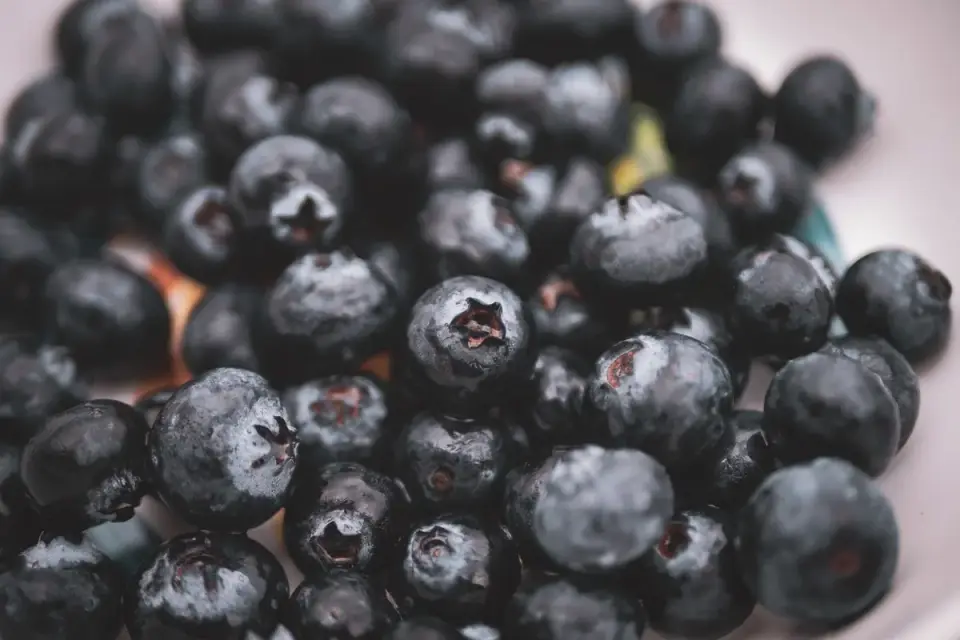
The right amount changes across a dog’s life, and thinking about it that way is more useful than memorizing a fixed count. A puppy still building tolerance for new foods should get one or two berries, halved, watched for any stool change over the following day — the same cautious introduction I’d recommend for sweet potato or any other new produce. An adult dog with an established diet can usually handle a small handful several times a week without issue. A senior dog, especially one on a calorie-restricted diet for weight or joint management, may need the portion trimmed further simply because their total daily calorie budget is smaller. The American Animal Hospital Association’s Assessment of the Nutritional Impact of the 10% Snack Recommendation in Pet Diets: 10% snack recommendation is the anchor I come back to across all three stages — it includes blueberries, jerky, training treats, and anything else that isn’t the base diet.
The Trade-off That Actually Matters
I think about berries the way I think about most single-ingredient add-ins: what can this realistically do for the dog’s diet, and where does that end? A short story makes the point better than a rule does. Imagine a dog on a strict weight-loss plan, the kind where every calorie is counted because the alternative is worsening joint strain. The owner wants to keep using food as a reward during training, because it works, but the commercial treats they’d been using were undoing some of the deficit. Swapping in a few blueberries solved the immediate problem — low calorie, still rewarding, still safe — but it didn’t solve the underlying one, which was a treat budget that had crept up over months. Blueberries can absorb some of that slack. They can’t fix an eating pattern on their own, and treating them as if they could is where owners get into trouble.
When to Slow Down or Skip Them
A few situations call for caution rather than an outright ban. Dogs with a history of pancreatitis do best with lower-fat, lower-sugar treats generally, and while blueberries are low in fat, the natural sugar can still add up if portions run large. Dogs prone to loose stool or a sensitive gut should start with a single berry rather than a handful — switching foods gradually is good practice with treats too, not just meals. And any dog with unexplained, persistent GI symptoms needs a veterinary workup rather than a dietary guess, blueberries included. If you’re already navigating what is and isn’t safe in the produce aisle, it’s worth reading up on foods that carry real risk, like garlic in small amounts, so you know which cautions are proportionate and which aren’t.
One short, practical note: always rinse the berries. Pesticide residue is a real, if usually minor, concern, and it’s the easiest step to skip when you’re in a hurry.
Where This Leaves You
As PetMD notes, blueberries are safe for the overwhelming majority of dogs, useful in small amounts, and backed by more actual research than most produce-and-dog questions get. Wash them, size the portion to your dog’s stage of life and calorie budget, introduce them slowly the first time, and treat them as what they are — a good treat, not a supplement or a fix for a bigger dietary issue.
Frequently asked questions
Can puppies eat blueberries?
Most puppies can have a blueberry or two once they're eating solid food, cut into smaller pieces to reduce choking risk. Introduce them the same way you would any new food — one at a time, in a small amount, and watch for loose stool over the next day.
Are frozen blueberries okay for dogs?
Frozen blueberries are fine and many dogs like the texture, but a frozen berry is firmer and slightly more of a choking risk for small dogs or dogs that gulp food, so consider thawing or halving them first.
How many blueberries can a dog have in a day?
There's no single number that fits every dog because it depends on body size and total daily calories, but a useful anchor is the American Animal Hospital Association guideline that all treats, blueberries included, stay under 10% of daily intake.
Can blueberries replace a fiber or probiotic supplement?
No. Blueberries contribute fiber and antioxidants, but they aren't a substitute for a formulated digestive product if your dog has an ongoing GI issue — that conversation belongs with your veterinarian.
Sources
- Can Dogs Eat Blueberries? Are Blueberries Good For Dogs? — American Kennel Club
- Effects of Blueberry Consumption on Preference, Digestibility, and Oxidative Balance in Dogs — PMC (National Library of Medicine)
- Assessment of the Nutritional Impact of the 10% Snack Recommendation in Pet Diets — PMC (National Library of Medicine)
- Can Dogs Eat Blueberries? Benefits and Risks — PetMD