Sweater vs Coat: Which Does Your Dog Need
A practical, breed-by-breed guide to choosing between a dog sweater and a coat, built around wind, wetness, and real cold-weather risk.

Hands-on reviews and buyer's guides for the best dog gear, from harnesses to travel kits.
73 guides in this section.
A practical, breed-by-breed guide to choosing between a dog sweater and a coat, built around wind, wetness, and real cold-weather risk.
A vet nutritionist breaks down what stainless steel, ceramic, and plastic bowls do to bacteria, allergies, and daily maintenance — and which one to pick for your dog.

A vet's practical breakdown of soft-sided versus hard-sided dog carriers — airline rules, crash protection, and which one fits your dog's real travel life.

A vet's practical comparison of rolled leather and flat nylon dog collars — durability, skin comfort, fit, and which one to buy for your dog's coat and routine.

A hands-on comparison of reflective dog gear and LED collars for night walks, covering how each works, where each fails, and when to use both.

A mechanism-first guide to how reflective dog harnesses work, what separates true retroreflective material from printed "reflective" trim, and how to check fit, coverage, and durability before you buy.

A vet's breakdown of when a padded harness earns its bulk and when a lightweight design is the smarter daily-walk choice, grounded in fit checks and biomechanics research.

A vet-informed look at whether you should take your dog's collar off at night, what actually causes collar injuries, and how to balance ID safety with entanglement risk.

A brand-neutral guide to what size carrier fits under an airplane seat, how airline limits differ, and how to measure before you buy.

A step-by-step guide to measuring a dog's neck accurately for collar sizing, including the two-finger rule, tools to use, and mistakes that lead to a poor fit.

A step-by-step, vet-informed guide to fitting a head halter correctly and introducing it without stress, plus the safety rules that keep a dog's neck protected.

A vet-reviewed, brand-neutral guide to the exact measurements you need to buy dog gear that fits — neck, chest girth, and body length — plus how to check the fit once it's on.
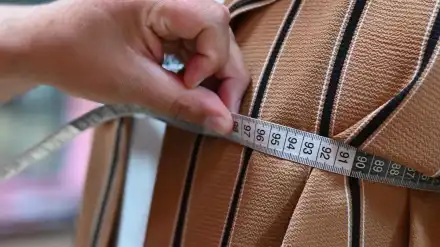
A vet-informed guide to picking a harness for Great Danes, Weimaraners, Dobermans, and other deep-chested dogs — covering strap geometry, fit checks, and why chest shape changes what to look for.

A GPS tracker for dogs and a microchip solve different problems — one finds a dog in real time, the other confirms identity once it's caught. Here's how to decide what your dog actually needs.

A vet's breakdown of GPS collars versus Bluetooth-based GPS tags for dogs, covering range, battery, cost, and which setup actually locates an escaped dog.

A vet's practical breakdown of front-clip vs back-clip dog harnesses — what the biomechanics research shows, when each clip position earns its keep, and how to fit either one correctly.

A vet's mechanism-first breakdown of how front-clip harnesses and head halters actually redirect a dog's pulling force, and where the tradeoffs land.

A brand-neutral, evidence-based comparison of dog car harnesses, crates, and barriers, with the safest choice for most dogs and where each option still falls short.

A vet reviewer breaks down what crash-tested dog car harnesses do differently from standard walking harnesses, and when the upgrade actually matters.

A vet's hands-on comparison of cooling vests and cooling mats for dogs, covering how each works, where each fails, and which one to buy first.

A hands-on comparison of bungee and fixed leashes for dogs that lunge, with the fit checks, failure points, and training context that actually matter.
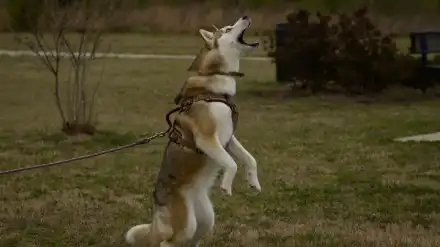
A practical, evidence-grounded comparison of biothane, nylon, and leather long lines for recall training — what each material does well, where it fails, and how to choose.

A practical, evidence-based comparison of basket and fabric dog muzzles, covering fit, panting, drinking, and when each type actually belongs on your dog.

A double-ended dog leash puts a second clip and handle on the line so you can switch between a full-length walking leash and a short traffic handle without changing gear. Here's how the design works and when it earns its keep.