On this page
- Quick-check: the measurements to take before you buy anything
- Neck versus girth: two different jobs on two different parts of the body
- Body length: the measurement people skip, and when it actually matters
- The fit check that applies almost everywhere: two fingers, not zero, not four
- Measuring a dog who won’t hold still
- Growth, coat changes, and why one measurement isn’t permanent
- Brief recap
Before you open a single size chart, you need three numbers written down: neck, chest girth, and body length. Get those right and most gear — collars, harnesses, coats, even some travel crates — falls into place. Get them wrong, guess at them, or measure over a thick winter coat, and you’ll spend a lot of time returning things that rub, slip, or won’t clip shut.
Quick-check: the measurements to take before you buy anything
- Neck circumference — wrapped where a collar sits, not at the wider base near the shoulders
- Chest girth — around the widest part of the rib cage, just behind the front legs
- Body length — base of neck to base of tail, along the spine
- The two-finger check — after any strap is fastened, two flat fingers should slide underneath, snug but not tight
- A standing dog, not a sitting or lying one — sitting compresses the chest and shortens apparent length
Each of those does a different job. Below is why they’re not interchangeable, and how the same three inputs get used differently depending on whether you’re buying a collar, a harness, or a coat.
Neck versus girth: two different jobs on two different parts of the body
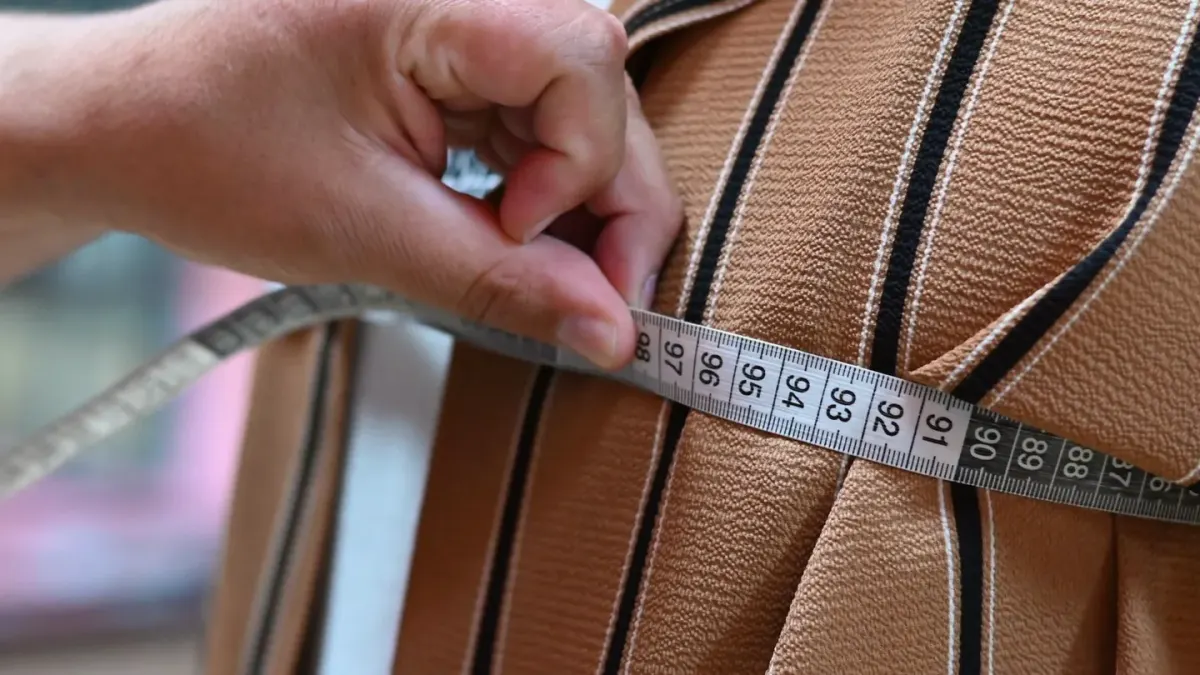
A collar and a harness are not sized off the same anatomy, and treating them as if they were is the single most common gear-buying mistake. A collar’s job is to sit around the neck at the spot where it normally rests — AKC frames this as measuring where the collar naturally lands, not the thicker base where the neck meets the shoulders. Wrap a soft tape there, snug enough that it won’t slide over the ears but loose enough for two fingers underneath.
A harness, by contrast, is built around the ribcage. The chest girth measurement, the circumference at the widest point of the ribs just behind the front legs, is what most harness manufacturers use as their primary sizing input, according to PetMD. This is also the measurement most likely to be taken wrong, because dogs with deep chests, barrel ribcages, or heavy coats can throw off a casual guess by several inches.
If you only have time for one careful measurement, make it girth. A collar that’s slightly off is annoying; a harness that’s badly off on girth can pinch at the armpits or, if too loose, allow a dog to back out of it entirely — a real concern for the same escape-prone dogs covered in our guide to GPS trackers for a dog that runs off.
Body length: the measurement people skip, and when it actually matters
Body length, taken from the base of the neck to the base of the tail along the spine, doesn’t affect every purchase. A basic flat collar doesn’t care about it. But it becomes the deciding number for coats, some soft-sided carriers, and Y-front or step-in harness styles that need to sit correctly along the back without bunching near the shoulders or leaving the lower back exposed.
Dogs with unusual proportions are exactly where length matters most and generic size charts fail most often. Long-backed breeds, deep-chested breeds, or small dogs with a long torso relative to their legs can measure as a “medium” by chest girth alone and still be the wrong coat once length is factored in.

The fit check that applies almost everywhere: two fingers, not zero, not four
Once gear is on, the measurement number matters less than what you can feel. The widely used two-finger guideline, sliding two fingers held flat together between the strap and your dog’s skin, shows up across AKC’s fit guidance for harnesses and is the same standard commonly applied to collars. Too tight risks chafing and, over time, pressure on the airway; too loose risks a paw or head slipping free.
A short gut check: if the collar or harness can be pulled forward over the ears or the front legs with no resistance, it’s too loose regardless of what the tape measure said.
It’s also worth watching how a dog moves once gear is on, not just how it measures on a table. Walk the dog a few steps. Watch the shoulders. A harness that measured correctly can still ride up or twist if the chest shape is unusual — deep and narrow, for instance, versus broad and shallow.
Measuring a dog who won’t hold still
Dogs rarely stand at attention for a tape measure, and forcing the issue tends to produce a bad number. A calmer approach: measure right after a short walk, when a dog is a little tired but still standing, and have someone offer a slow-lick treat to hold attention. This matters for the same reasons a nervous or reactive dog is hard to fit gear on in the first place — a dog already on edge from an unrelated stressor, like the one described in our piece on garbage-truck panic, is not a dog you want to measure cold.
Small and toy breeds add their own wrinkle: proportionally, their necks and chests sit closer together in circumference than a larger dog’s, so a half-inch error reads as a much bigger sizing miss. If you’re outfitting a small-breed dog for regular activity, it’s worth reading our mechanism-first guide to exercise for toy and small breeds alongside your measurements, since the gear and the activity level tend to be chosen together.
Growth, coat changes, and why one measurement isn’t permanent
A measurement taken today is not a measurement for life. Puppies can outgrow a snug collar within weeks; adult dogs shift weight seasonally, and a heavy winter coat can add real bulk to a girth measurement taken over fur versus skin. Re-measure puppies at least monthly until growth levels off, and re-check any dog’s fit after a grooming appointment, a diet change, or a few months with no gear worn at all.
A dog that seems suddenly hesitant with a collar on, pulling at it, scratching, or resisting a walk, is sometimes a fit problem rather than a training one. If that resistance shows up as growling or stiffening when you reach toward the neck or collar area, it’s worth ruling out discomfort before assuming it’s behavioral; our guide on why a dog growls when petted walks through how to tell the two apart.
Brief recap
Three numbers, taken the same way every time, cover nearly all dog gear: neck circumference where the collar sits, chest girth at the widest rib point, and body length from neck base to tail base. Take them on a standing, calm dog, leave room for two flat fingers once anything is fastened, and revisit the tape measure more often than feels necessary — growth, coat, and season all move the number more than most owners expect.
Frequently asked questions
What three measurements do I need before buying dog gear?
Neck circumference (where a collar sits), chest girth (the widest point of the rib cage, just behind the front legs), and body length (base of neck to base of tail). Most harnesses are sized primarily off girth; collars off neck; coats and some carriers off length.
How much slack should I leave in a measurement?
As a general rule you should be able to slip two fingers, held flat, between the tape (or the finished collar or harness strap) and your dog's body. Tighter than that risks chafing and restricted breathing; looser risks slipping or escape.
Do I measure a puppy or a growing dog differently?
Not differently in method, just more often. Growing dogs can outgrow a snug collar or harness in a matter of weeks, so re-measure at least monthly until they've reached adult size, and choose adjustable gear with several inches of range.
My dog hates standing still, how do I get an accurate measurement?
Measure right after a walk or short play session when your dog is a little tired, and have a helper offer a lick mat or slow-fed treat. A calm, standing dog gives a far more reliable number than one straining to sit or lie down.