On this page
Smart exercise ideas for small breed dogs work with a compact skeleton, not against it, favoring frequency over distance. That single design principle explains most of what follows, so it is worth sitting with before getting into specific activities.
Why a Ten-Pound Dog Runs a Different Engine
Toy and small breeds carry a higher resting metabolic rate per pound of body mass than large-breed dogs, which means their bodies cycle through energy, heat, and recovery on a faster clock. Practically, that translates into more frequent but shorter bursts of activity suiting them better than one long, continuous outing. A Chihuahua or Papillon that gets a single 45-minute walk may be undertaxed in the moment and then flat afterward, whereas the same total time split across three 15-minute sessions tends to track more closely with how their metabolism actually cycles.
Structure matters as much as timing. Many small breeds, particularly Yorkshire Terriers, Pomeranians, and Chihuahuas, have a shallower patellar groove than the femoral groove seen in larger dogs, which is part of why intermittent skipping or luxating kneecaps show up so often in this size class. The trachea is a separate structural concern: small-breed tracheal cartilage rings can be comparatively less rigid, and repeated pressure from a collar during pulling or lunging is a mechanical stressor worth designing around rather than dismissing as a minor quirk.
Low-Impact Versus High-Impact: What Actually Fits a Toy Dog’s Frame
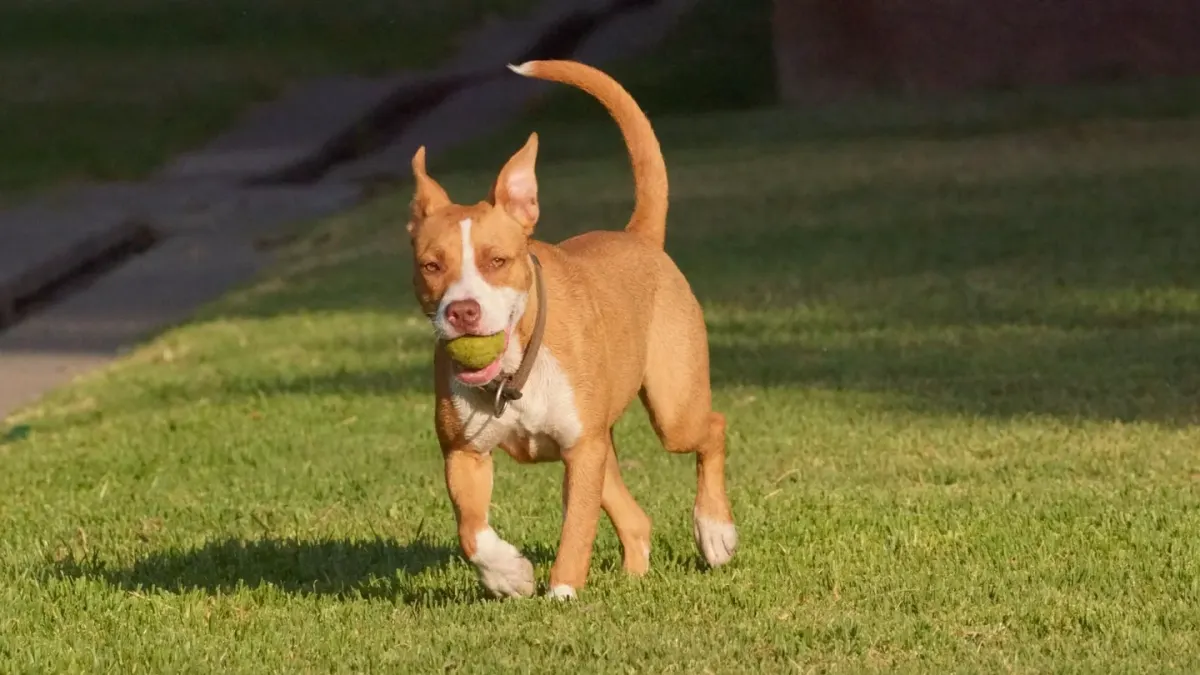
Set side by side, the contrast is instructive. High-impact activities, repeated jumping off furniture, hard stops during fetch on pavement, or rough wrestling with a much larger dog, concentrate landing force through a small joint surface area. None of that is disqualifying on its own, but the cumulative loading over months and years is the more relevant variable than any single jump. Low-impact activities, structured leash walks, scent-work games, swimming, and short flirt-pole sessions with soft, controlled stops, spread that same energy expenditure across a gentler mechanical profile.
This is not an argument for wrapping a small dog in bubble wrap. It is an argument for choosing the default. A daily rotation built mostly around low-impact options, with occasional higher-intensity play kept brief and supervised, generally serves joint longevity better than the reverse. Swimming deserves particular mention here: because it is non-weight-bearing, it lets a small dog work cardiovascular fitness without loading the patella or hips at all, which makes it a useful option for dogs recovering from a joint flare or simply prone to one.
Building a Rotation That Matches the Metabolism, Not the Clock
A workable weekly pattern for a healthy adult toy or small breed might include two or three short leash walks a day, a scent-work or puzzle-feeding session that burns mental energy without joint loading, and one or two brief, supervised play sessions with soft toys rather than repeated hard landings. Puppies and seniors both warrant scaling this down further: growth plates in small-breed puppies are still closing well past the point where they look physically mature, and senior dogs may need the same total activity spread across even shorter, more frequent bouts.
Grounding an Integrative Claim in the Nutritional Evidence
Exercise programming is the primary lever for joint health in small breeds, but the ingredients used to support joint tissue alongside it are not interchangeable folklore. Chondroitin has been studied for its role in Frontiers in Veterinary Science research describing how it supports healthy synovial fluid homeostasis, which is directly relevant to a joint that is absorbing repeated small loads from daily movement. Glucosamine hydrochloride, reviewed in the Journal of Veterinary Medical Science, has been shown in vitro to help prevent experimentally induced cartilage degradation, a mechanism worth understanding rather than taking on faith. Green-lipped mussel powder has separately been studied for anti-inflammatory activity; research published in Nutrients found that mussel-derived compounds alleviated paw swelling and reduced markers of inflammation in animal models. None of this reframes exercise as optional. It simply means that for a dog whose structure already runs a tighter margin, nutritional support and exercise choices are working the same joint from two different angles rather than competing priorities.
Reading the Signals During and After Activity
A dog that intermittently holds up a hind leg for a few strides before returning to normal gait, a cough that sounds like a goose honk after excitement or leash pressure, or a small dog that simply sits down mid-walk and declines to continue are all worth documenting and mentioning at the next veterinary visit, even if each individual episode resolves on its own. These are data points, not emergencies, but a pattern across weeks is more informative than any single instance and is exactly the kind of information a veterinarian needs to tailor an exercise plan to that specific dog rather than to the breed in general.
Frequently asked questions
How much daily exercise does a small breed dog actually need?
Most healthy adult toy and small breeds do well with 30 to 60 total minutes a day, split into two or three shorter sessions rather than one continuous walk. Exact needs vary by breed, age, and any existing joint or airway sensitivity, so a veterinarian familiar with the individual dog is the best judge of volume.
Is jumping off furniture actually bad for small dogs?
Repeated jumping concentrates landing force through a small joint surface, which is a meaningful concern in breeds with a shallow patellar groove. It is not an emergency-level risk in isolation, but minimizing repeated high, hard landings is a reasonable precaution, especially in growing puppies.
Should I use a harness instead of a collar for exercise?
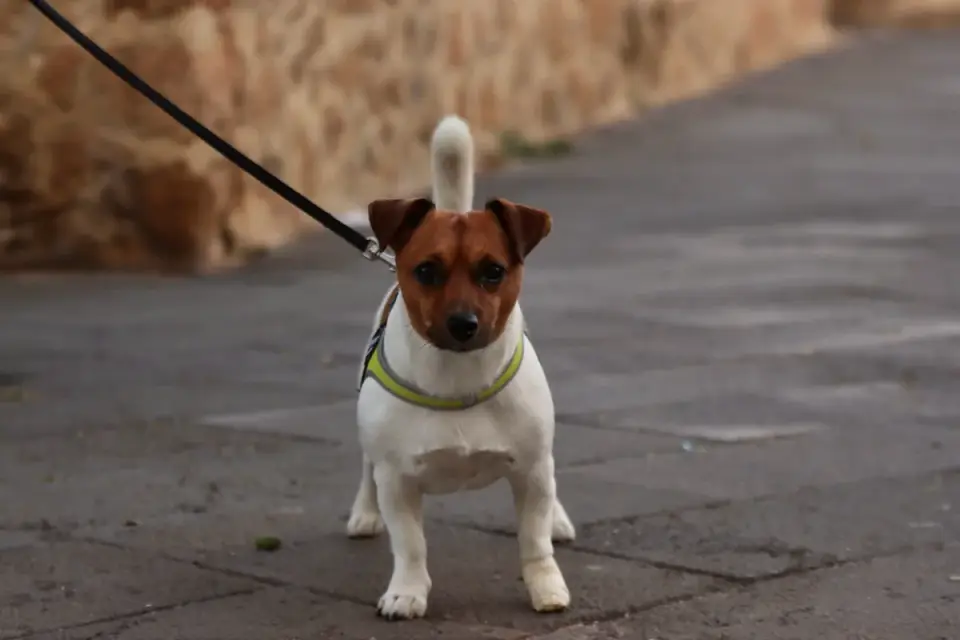
For breeds prone to tracheal sensitivity, a well-fitted harness that distributes pressure across the chest rather than the throat is generally the more conservative choice during walks, tug play, or any activity involving leash tension.
Can joint supplements help before a small dog shows any symptoms?
Glucosamine and chondroitin are studied ingredients with mechanisms relevant to joint tissue, but they are structure and function support, not a treatment or a substitute for exercise that respects joint mechanics. Discuss timing and appropriateness with a veterinarian rather than starting a regimen based on breed alone.
Sources
- Protective effects of turmerosaccharides rich extract of Curcuma longa L. in osteoarthritic dogs — Frontiers in Veterinary Science
- Glucosamine hydrochloride and cartilage degradation: a review — Journal of Veterinary Medical Science
- Anti-inflammatory effects of green-lipped mussel extracts — Nutrients