On this page
Getting a collar size right starts with one number, taken the right way. Here’s the short version before we get into the why.
Quick checklist before you buy
- Use a soft cloth tape measure or a piece of string plus a ruler — not a rigid metal tape.
- Wrap it around the base of the neck, where the collar will actually sit, not up near the ears or jaw.
- Pull it snug against the fur, not tight against the skin.
- Slide two fingers flat under the loop; that’s your working fit.
- Write down the snug number and the two-finger number separately — you’ll want both.
- Compare against the brand’s own size chart rather than a generic breed average, since chest and neck width vary by build.
Each of those points earns a little more explanation, because the details are where a lot of collar returns and rubbed-raw fur come from.
Where on the neck to measure
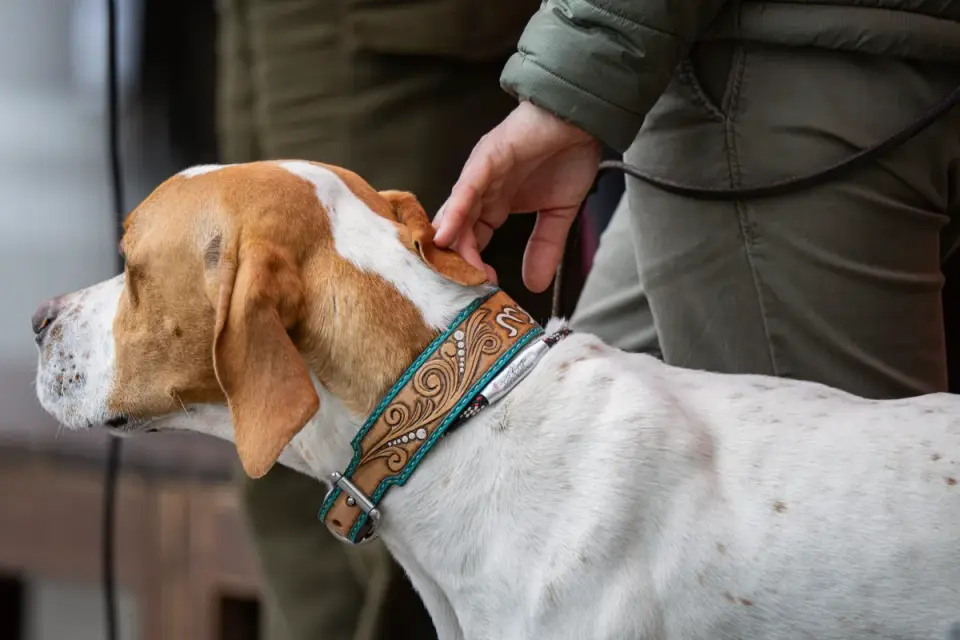
The base of the neck — a few inches down from behind the ears, roughly where the neck meets the shoulders — is where a well-fitted collar rests during normal wear. Measuring higher, closer to the jaw, gives a smaller number that won’t reflect how the collar sits once the dog is walking, shaking, or putting his head down to sniff. If you’re working with a wiggly dog, loop the tape loosely first to find the right spot, then snug it down for the actual reading.
Snug versus tight, and why the difference matters
A snug measurement means the tape follows the shape of the neck without pinching. Skin should not tent up around the tape, and your dog shouldn’t flinch or pull away. According to Collar and Harness Options for Dogs, a collar that sits correctly should allow normal head and neck movement without pressing on the throat during ordinary activity — pulling that pressure envelope too tight at the measuring stage carries straight through to the finished collar.
The two-finger rule, explained
Once you have a snug measurement, check it against feel: slide two fingers, side by side, flat between the tape (or the finished collar) and the neck. You should feel resistance but be able to move your fingers along the loop. One finger or less usually means the collar is too tight; three or more fingers loose enough to slip over the head is too loose.
This matters beyond comfort. Sustained pressure on the trachea from a too-tight collar is a recognized contributor to airway irritation, and Tracheal Collapse in Dogs is a condition where repeated pressure on the windpipe — from a collar or otherwise — can aggravate an already-fragile airway, particularly in small and toy breeds prone to the condition. Research summarized by PMC (National Library of Medicine) also found that neck pressure from collars measurably raised eye pressure compared with harnesses, a detail worth knowing if you have a brachycephalic breed or a dog with any eye disease history. None of this means collars are unsafe — it means the fit step isn’t cosmetic.
Tools that actually work
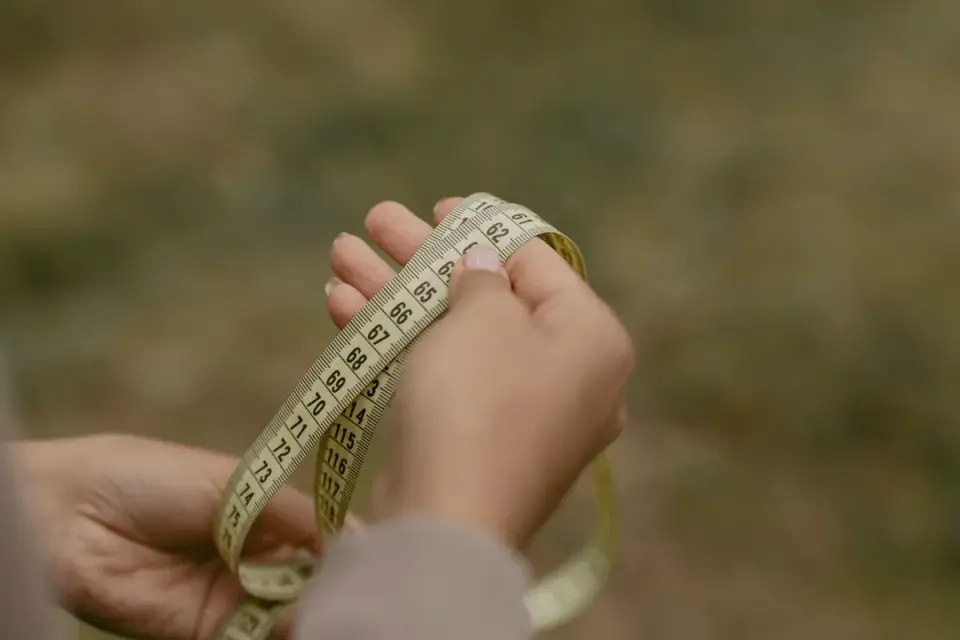
A flexible sewing-style tape measure is the easiest option because it follows the curve of the neck. No tape on hand? A length of string or ribbon works — measure the neck with it, then lay the string flat against a ruler for the number. Skip a rigid metal tape measure if you can; it tends to sit unevenly on fur and can give an inflated reading on a fluffy or double-coated neck.
Double coats and thick ruffs are worth a specific note. Breeds carrying heavy neck fur can measure larger with the coat than with it compressed, so if you’re fitting tight against the fur rather than the skin, add a little room to your two-finger check. If your dog blows coat seasonally, that’s also a reason to recheck sizing rather than assume last year’s number still holds — the same logic that applies to cooling options for a thick-coated breed at home applies here: a heavy coat changes measurements you might otherwise take for granted.
Puppies, growth spurts, and adult rechecks
A puppy’s neck can grow faster than most owners expect, especially in large-breed puppies during the first six months. Buying a collar with a wide size range, or planning to size up every few weeks, avoids either a collar that’s suddenly too tight or one that slips off during a walk. For small and toy breeds that stay closer to a consistent adult size sooner, sizing is more of a one-time job — though it’s still worth a check if you’re adjusting exercise routines, since exercise ideas for toy and small breeds often means more time in a collar or harness during longer outings.
Adult dogs aren’t exempt from remeasuring either. Weight changes, muscle gain from more activity, or even a collar that’s stretched with age can all shift what “two fingers” actually means month to month. A quick seasonal check takes under a minute and costs nothing.
When neck measurement isn’t the whole story
Collar sizing is only one piece of a bigger fit picture. If your dog also wears a GPS unit or ID tag on the collar, extra hardware changes how much slack you want to build in — worth a look if you’re weighing options in our guide to a GPS tracker for an escape-prone dog. And if your dog pulls hard enough that neck pressure is a recurring concern regardless of collar fit, that’s usually a harness conversation rather than a sizing one — a point VCA Animal Hospitals also raises for dogs with a history of neck sensitivity or airway issues.
Next step
Grab a soft tape measure, find the base of the neck, and note both the snug number and the two-finger number before you shop. That pair of measurements, rechecked whenever your dog’s build changes, does more for a comfortable fit than any size chart alone.
Frequently asked questions
How many inches of slack should a dog collar have?
Most sizing guidance points to roughly 1 to 2 inches of added room beyond the snug neck measurement, which typically lines up with the two-finger gap once the collar is buckled.
Where exactly on the neck should I measure?
Measure around the base of the neck, a few inches down from behind the ears, in the spot where a properly worn collar naturally rests rather than up near the jaw.
Do I need to remeasure an adult dog's neck?
It's worth rechecking every few months for growing puppies and after any noticeable weight change or coat growth in adult dogs, since neck girth can shift enough to affect fit.
Is the two-finger rule the same for every collar type?
The two-finger check is standard for everyday flat and martingale collars, but training tools like head halters or slip collars fit differently and are worth fitting with guidance specific to that tool.
Sources
- Collar and Harness Options for Dogs — VCA Animal Hospitals
- Tracheal Collapse in Dogs — VCA Animal Hospitals
- Effect of a Collar and Harness on Intraocular Pressure and Respiration Rate of Brachycephalic and Dolichocephalic Dogs — PMC (National Library of Medicine)