Dogs like fetch because chase, carry, and your attention turn one throw into rewarding work.
On this page
Throw again or call it quits? Call it after 5 to 10 short throws if your dog pants hard, cuts corners wide, or starts skidding to stop.
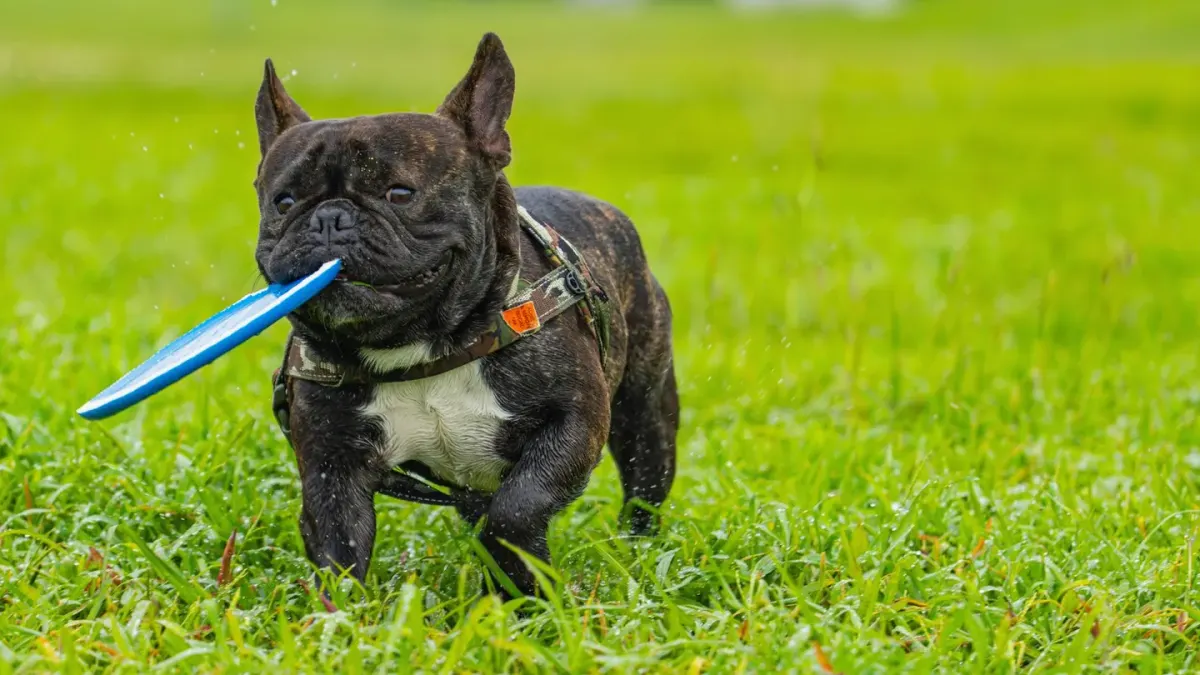
Dogs like fetch because it packages the full predatory sequence — spot, chase, grab, carry, return — into a game you control. Retrievers and herding breeds were selected for pieces of that loop, which is why some dogs obsess over it and others quit after two tosses. Your job is to feed the chase drive without grinding joints with endless hard sprints and stops.
Cindy saw that split with Maximo, a 4-year-old neutered male Vizsla in Round Rock, Texas. He would sprint 40 yards for a ball for 12 straight throws, then come up stiff that evening. She cut sessions to six throws on grass with walk breaks between, and his post-game pacing settled within a week.
Start every game with a warm-up. Walk briskly for 3 to 5 minutes, add two easy 15-yard rollers, then throw flat and low. Long high arcs force leaping catches and hard landings.
Pick the toy that fits the mouth and the field
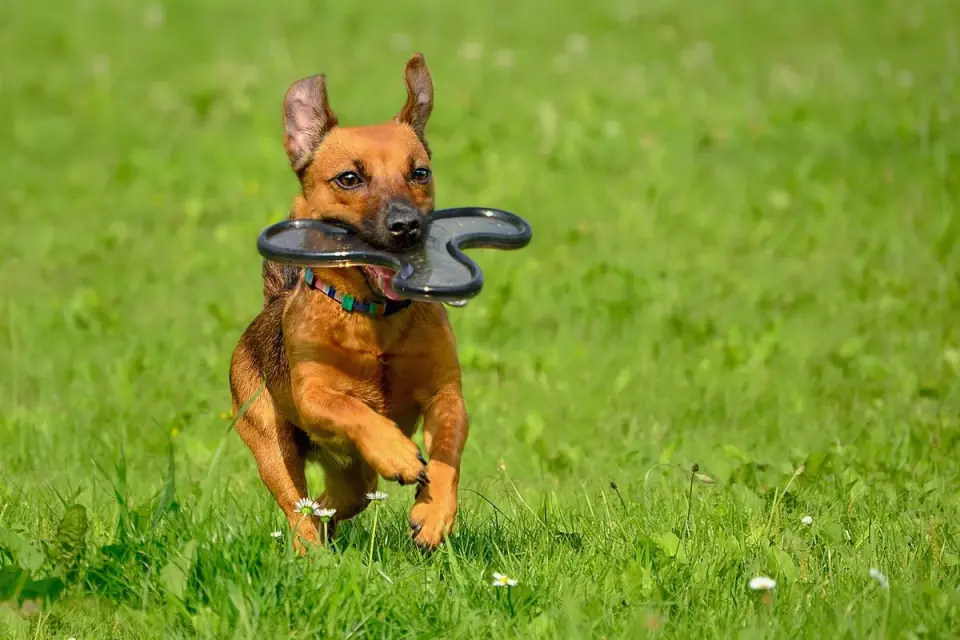
Choose soft, high-visibility rubber balls or rope-tug toys sized so the dog cannot swallow them and can carry without jaw strain. Skip small, slick balls that wedge behind canine teeth, and skip abrasive felt on worn tennis balls for heavy chewers. Our breakdown of Tennis Balls vs. Rubber Balls for Fetch: Which One Should You Actually Throw? shows where rubber wins on durability and tooth wear.
Inspect toys weekly. Rinse slobbery toys and rotate two or three to limit resource guarding. See How to Clean and Disinfect Dog Toys for a wash routine that holds up in daily use.
Feed the chase, then train the brakes
Dogs stay hooked when chase ends in a clear job: bring it back, drop, earn the next throw. Teach a hand-target return and a cued drop rather than wrestling the ball away. Keep cues short, reward the return, and end while the dog still wants more.
The RSPCA outlines that same return-and-reward loop for teaching a reliable fetch, especially for dogs that chase but do not bring the toy back.
Vets often see over-aroused adolescents lose the drop once reps pile up. Trade a second identical ball for the drop, pause, then reset. If your dog starts circling, barking, or body-slamming you, switch to sniffing or tugging before arousal spikes.
Keep joints safe without killing the fun
Fetch loads shoulders, elbows, hips, and toes through sprint, brake, and turn. Throw straight lines on grass or packed dirt, avoid wet pavement and sharp U-turns around trees, and cap high-intensity throws at two or three sessions per week. Puppies under 12 months, seniors, and brachycephalic breeds need shorter arcs and more sniff breaks.
Supplements for mobility may help support normal joint nutrition and recovery alongside weight control and conditioning, so weigh what a supplement can realistically do for diet, mobility, and recovery before expecting it to offset daily marathon fetch.
The team at American Veterinary Medical Association notes that regular, controlled exercise supports fitness and behavior, with intensity matched to age, breed, and health status — a useful check before you add hill throws or Frisbee leaps.
Sherry learned that balance with Maize, a 7-year-old neutered male Golden Retriever in El Monte, California. He lived for 10 throws at the park but lagged on stairs after. She moved to five low rollers plus a 15-minute sniff walk and saved longer games for cool mornings.
Mix fetch with other toy jobs. Alternate throwing days with food puzzles or chewing time using the split in Interactive Toys vs. Chew Toys: When to Use Each.
The takeaway for a healthy fetch habit
Throw fewer, flatter reps. Reward the return. Quit early.
Frequently asked questions
Why do some dogs love fetch and others ignore it?
Chase, grab, and carry interest varies by breed history and reward value. Build drive with short rollers and a paid return rather than long throws.
How many fetch throws are enough?
Most adult dogs do well with 5 to 10 short throws with walk breaks. Stop sooner for puppies, seniors, or any dog that pants heavily, limps, or loses coordination.
Is fetch bad for joints?
Repetitive sprinting, jumping, and skidding can stress joints. Throw low and straight on grippy grass, limit sessions, and keep weight lean and muscles conditioned.
Sources
- Dog Training Advice — RSPCA
- Pet Care Resources — American Veterinary Medical Association