Puppy play thrives on short, varied games with a few safe toys matched to chewing and chasing instincts.

Puppies learn with their mouths, legs, and noses at once, and the choice in front of most owners is whether to buy a large mixed bin for every mood or to keep a small kit that covers chewing, chasing, tugging, and food searching.
Teething, motor learning, and arousal explain why that smaller kit works better. Between about 12 and 28 weeks deciduous teeth loosen, adult teeth erupt, and chewing pressure soothes sore gums while strengthening jaw muscles. At the same time the cerebellum and proprioceptive pathways refine coordination through repeated chase, pounce, grip, and release sequences. Play bouts spike adrenaline and cortisol, then should resolve into rest, and a puppy that can complete that cycle learns bite inhibition and impulse control. When too many textures, squeaks, and moving parts compete at once, arousal stays high, learning fragments, and swallowing risk rises.
Lance in Kansas City, Kansas faced that fragmentation with Mika, his 11-month-old intact female Miniature Pinscher mix. She cycled through six novelty toys in an evening, mouthed each for under a minute, then began guarding the pile and nipping at hands. He weighed adding more plush options against stripping the bin back to three toys rotated every three days. After the reset her tug sessions lengthened to four calm minutes, followed by a chew and a nap, which gave Lance a clear pattern to repeat.
A lean kit follows that physiology. For chewing, choose one rubber or nylon teether sized so it cannot lodge behind the canines, plus one edible chew given under supervision and counted within daily calories. Food therapy thinking helps here: weigh what a food-stuffable toy can realistically do for diet, mobility, and recovery. A frozen Kong-type insert may help support calm settling after activity and adds hydration and fiber, yet it does not balance a diet or rebuild joint tissue, and portions still matter for growth. Guidance from the American Veterinary Society of Animal Behavior on short, positive exposure sessions fits this use well, with two to five minute introductions followed by rest.
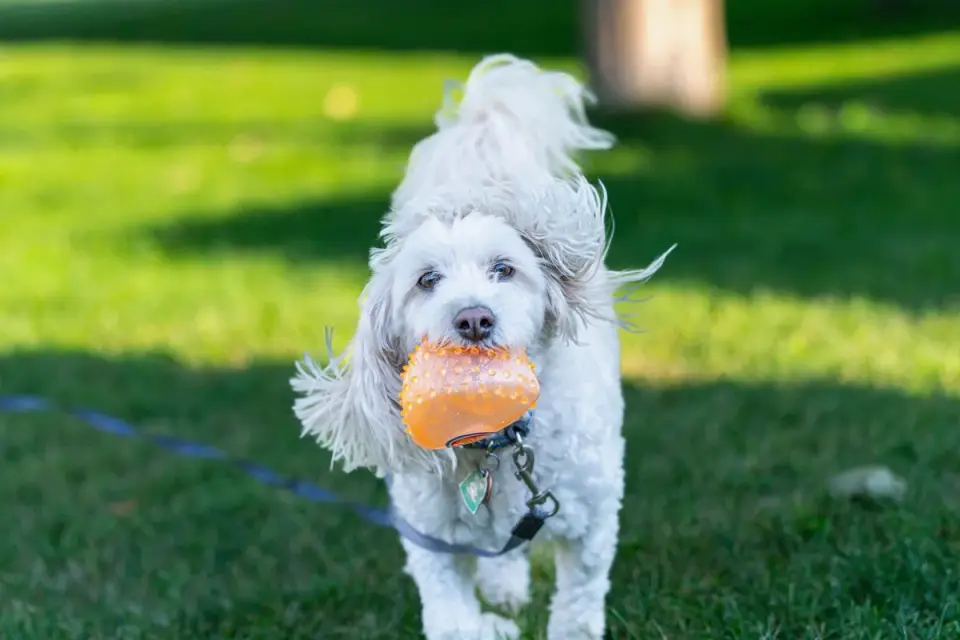
For chase and tug, keep one soft fetch object and one short tug rope or flat fleece tug. Long throws strain growing growth plates, so roll the fetch toy along the ground for three to five repetitions and let the puppy carry it back. Keep tug low, side to side rather than vertical, and pause for a drop cue. Pups that only chase often need more sniffing, and pups that only tug often need more licking and chewing, so match the toy to the missing style that week. Notes on normal mouthing and object exploration from ASPCA support redirecting to an appropriate chew rather than punishing the need to mouth.
For searching, add one snuffle mat, muffin tin with tennis balls, or dispensing ball for solo searching. Solo searching lowers arousal after chase and gives small breeds and large breeds alike a job that does not load joints. Breed size changes fit and durability: a Cane Corso puppy like Chiqui can shred a small plush squeaker in seconds, while a Miniature Pinscher mix can trip over an oversized rope knot, so size openings, wall thickness, and seam strength to the individual mouth. Related hands-on notes on Rope Toys vs. Plush Toys for Chewers: How to Actually Choose and Retrieving Toys for Natural Fetchers: What Actually Holds Up describe how materials hold up under daily use.
Fewer toys make supervision easier.
Safety and rotation keep the small kit effective. Inspect seams, squeakers, rope fibers, and rubber edges daily, retire anything with loose parts or compressed filling, and store chews separately from fetch toys so value stays clear. Rotate one item every few days rather than adding new ones. Wash food toys with hot soapy water, air dry fully, and skip children’s toys, which carry different choking and toxicity standards as explained in Why You Shouldn’t Give a Dog Kids’ Toys. Broader context on when toys earn their keep versus direct interaction is covered in Do Dogs Actually Need Toys, or Is Playtime Enough.
My recommendation is three to five well-fitted toys covering chew, fetch-carry, tug, and forage, used in brief handler-led sessions with rest between. I would change that limit if controlled trials showed puppies with large novelty bins gained bite inhibition, retention, or joint safety faster without more foreign-body events, yet current behavioral and clinical evidence points the other way toward focus, supervision, and fit.
Keep the bin small, play together in short bouts, and let rest complete the lesson.
Frequently asked questions
How many toys does a puppy need at once?
Three to five is enough for most puppies: one chew, one fetch-carry toy, one tug, and one foraging toy, rotated every few days.
How long should puppy play sessions last?
Keep active bouts to three to five minutes for young puppies, then offer a chew or sniffing task and rest before repeating.
When should a puppy toy be thrown away?
Retire toys with torn seams, exposed filling, loose squeakers, frayed ropes shedding strings, or rubber with deep gouges and missing chunks.
Sources
- Position Statements — American Veterinary Society of Animal Behavior
- Mouthing, Nipping and Play Biting in Adult Dogs — ASPCA