Antlers are not safe for most dogs — skip rock-hard chews and choose one that gives under pressure.
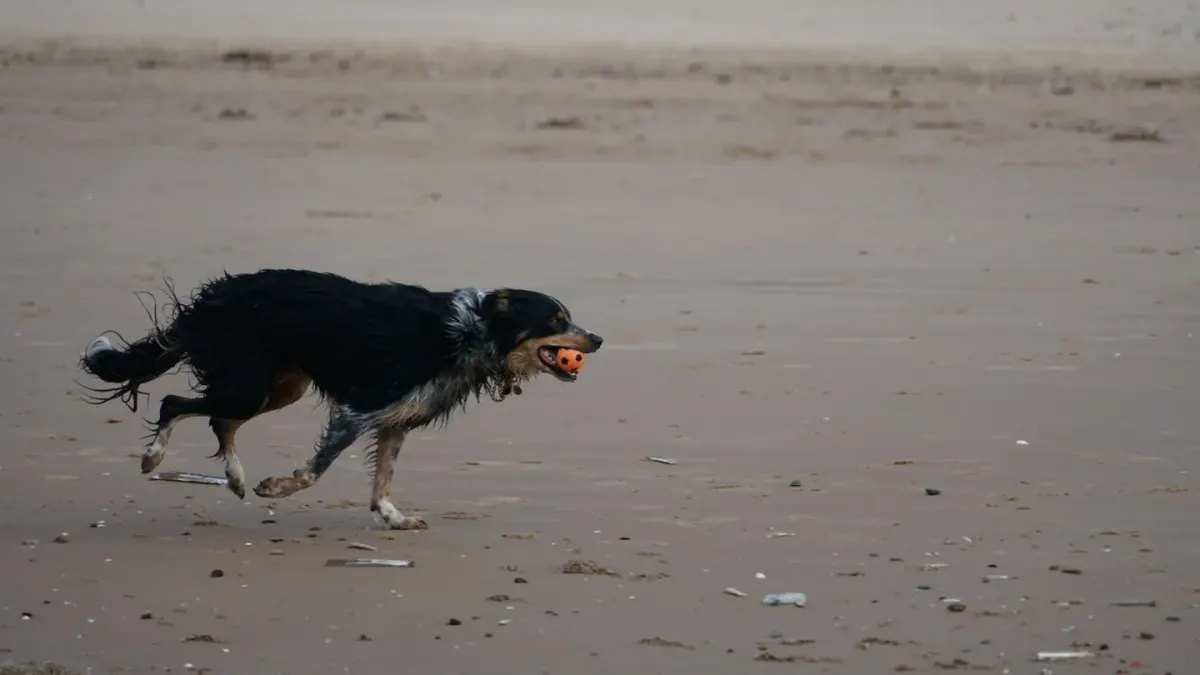
Tonya stood in the pet aisle holding a heavy elk antler for Whoopie, her 11-year-old spayed English Bulldog mix from West Jordan, Utah, wondering how something that lasted for weeks could still be a poor choice for teeth worn down over 11 years of hard chewing.
Vets often see the same decision fork: pick the chew that lasts longest, or pick the chew that teeth can survive. With antlers, durability is the warning sign, not the selling point. As a nutrition and sports-medicine perspective, I weigh what a chew can realistically do for diet, mobility, and recovery — and an antler adds almost no balanced nutrition while it may help support calm chewing behavior at a high dental cost.
Keep it or toss it? The thumbnail test
Press your thumbnail firmly into the chew surface. If you cannot leave a dent, your dog’s carnassial and canine teeth cannot safely compress it either.
Antlers, marrow bones, and nylon that has hardened with age routinely fail this screen. Enamel is hard, but it is brittle against an unyielding object, and slab fractures of upper fourth premolars often mean extraction or root canal. For a senior dog like Whoopie, with less cushion for recovery and anesthesia, that tradeoff looks worse.
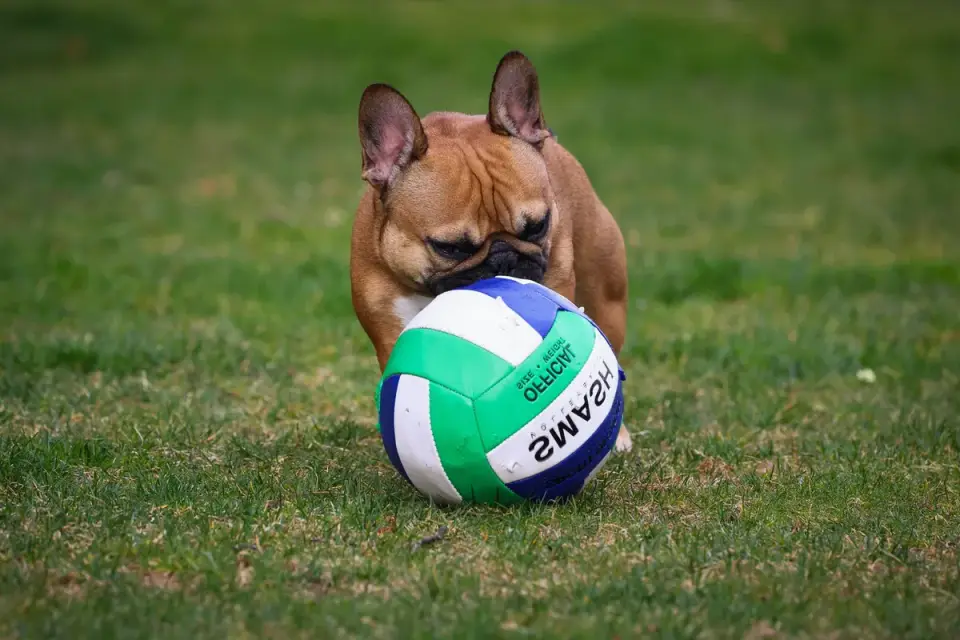
That risk is why veterinary dentists emphasize chew selection over chew toughness.
The Veterinary Oral Health Council maintains an accepted-products list for home care that may help support periodontal health, and antlers are not positioned as a dental benefit there because hardness alone does not equal cleaning power.
Why antlers break teeth instead of cleaning them
Antlers persist because they are dense mineral — mostly calcium and phosphorus with little give. Dogs chew with thousands of pounds per square inch at the back teeth, so a non-yielding cylinder concentrates force on one cusp.
What owners notice is quiet, focused chewing for an hour. What teeth experience is repeated impact with no deformation of the object. Softer, flexible materials deform first, which spreads load and lets the dog gnaw without that point load.
Nutrition does not rescue the math. An antler may contain minerals, but gnawing does not deliver them in a balanced, digestible form for diet or recovery, and food therapy principles still favor complete meals over mineral scavenging from a hard chew.
Choose a softer default that still satisfies
For most dogs, choose a chew you can dent with a thumbnail that is sized to prevent gulping, then supervise and remove it once it wears small enough to swallow.
Cornell University College of Veterinary Medicine describes how veterinary dentistry evaluates fractured teeth and treatment options, which underscores why prevention through appropriate chew hardness matters more than fixing a break afterward.
Power chewers still need an outlet. Rotate a rubber chew toy for daily gnawing, use an edible dental chew that softens with saliva, and save food puzzles for mental work. Our guide to Chew Toys vs. Edible Chews: What’s the Difference sorts those categories by safety, and Interactive Toys vs. Chew Toys: When to Use Each helps match the toy to boredom, anxiety, or high energy.
Supervision stays non-negotiable.
Discard any chew once pieces can break off, edges turn sharp, or the surface hardens again after drying. Rinse rubber toys regularly — see How to Clean and Disinfect Dog Toys — and size up for flat-faced breeds that chew with front teeth held wide.
Skip antlers entirely for seniors with worn or previously treated teeth, aggressive chewers who try to crack rather than gnaw, and any dog left alone with a chew. Looking ahead, the dogs that keep healthy teeth longest are rarely the toughest chewers; they are the steady gnawers with a softer rotation owners replace without guilt.
Frequently asked questions
Can any dog chew antlers safely?
Even careful chewers can fracture a tooth on an object harder than enamel. Dogs that gnaw gently and are closely supervised face lower risk, but a chew that gives under thumbnail pressure is still the safer default.
Do antlers clean teeth?
Hardness does not equal cleaning. Antlers can wear enamel and break cusps without removing plaque below the gumline. Daily brushing and VOHC-accepted products paired with veterinary cleanings do more for dental health.
Sources
- Accepted Products — Veterinary Oral Health Council