
On this page
A homemade sock toy looks harmless until a dog decides to eat it, which is why I treat it as supervised play equipment rather than a chew.
A lanky adolescent shelter mix came to mind while testing this question at home, a 48-pound-range dog with the classic grab-and-shake style and no off switch. His owner had knotted two clean athletic socks around a tennis ball for hallway fetch, and in about 12 minutes the outer knot loosened into long loops. The owner stopped the game, trimmed the fraying, and put the toy on a shelf. That pause captured the whole decision: fine for interactive play with hands on the toy, unsafe the moment chewing replaces playing.
The fork: tug together, never alone
Score homemade fabric on the same rubric I use for store-bought gear: fit for mouth size, durability under real teeth, comfort to carry, and value after washing. Socks and T-shirts win on fit and comfort. They lose on durability.
Use them only when you are holding the other end, watching the fabric, and ready to end the session. If the dog wants to dissect, shred, or swallow pieces, that dog needs a different category. My evidence-bounded recommendation is interactive tug and fetch only, then the toy gets put away. I concede plainly that solo plush comfort works for some gentle dogs, and that alternative wins for crate cuddlers. It stops winning with power chewers, puppies in peak oral exploration, and any dog with a history of eating socks.
Fabric does not behave like rubber.
Run this check before you knot anything
- Clean material only, no worn elastic, holes, or drawstrings
- No buttons, sequins, scented detergent residue, or dryer-sheet coating
- Knot size larger than the dog can wedge behind canine teeth
- Play supervised, then store out of reach
- Retire at first fraying, thinning, or loosened stitching
This list borrows directly from mainstream toy-safety guidance. ASPCA advises supervision, choosing appropriate size and texture, and discarding toys that start to break into pieces, which maps exactly to sock toys that unravel into strings.
For cleaning between uses, the same washing logic I use for other soft toys applies; see how to clean and disinfect dog toys before you reintroduce a slobbery tug.
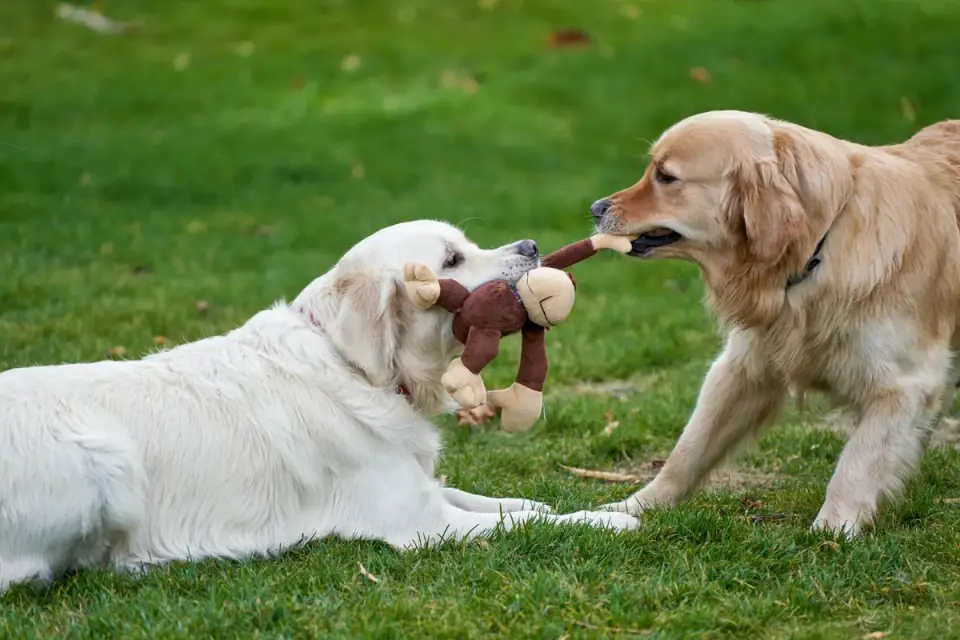
What fabric does once swallowed
Grounding this in nutritional evidence, cotton and synthetic fleece offer no digestible fiber value for a dog’s diet and may help support irritation or blockage if swallowed in strips, which is why I weigh fabric as play material for mobility and enrichment rather than anything that supports diet or recovery. It does not break down in stomach acid. Long strips can saw against intestinal wall or bunch intestine like fabric on a drawstring.
That mechanism is why veterinarians take string, socks, and underwear seriously. Merck Veterinary Manual describes gastrointestinal obstruction from foreign material with vomiting, appetite loss, abdominal pain, and lethargy, sometimes requiring surgical removal. VCA Hospitals notes a similar pattern for dogs that swallow fabric and other indigestible objects, with partial blockages sometimes passing and complete blockages becoming emergencies.
The next winter I watched the tradeoff fail with a heavy-chewing terrier type left alone with a braided T-shirt rope. The owner meant it as busy work during work calls and checked in between meetings. For three nights straight the dog carried the braid to the couch, worried the same middle section, and fell asleep on it, which looked settled. On the fourth morning the middle braid was thinned to threads and a palm-sized section was missing. The owner bagged the remains and called the veterinarian instead of waiting for vomiting. Supervision would not have made that toy durable enough for that mouth.
How I build a safer version when I do
Start with a clean, sturdy cotton crew sock or a strip cut from a plain cotton T-shirt with no print cracking or loose threads. Launder without heavy fragrance and air dry so you can feel stiffness or residue. Tie one large, tight knot rather than multiple small knots that create tempting tails. For tug, braid three wide T-shirt strips into a short, thick rope and knot both ends, keeping total length short enough that you control the middle.
Test fit before play. The knot should not compress to fit behind the canines. If you can pull threads loose with your own hands, a determined dog will do it faster. Keep sessions short, trade for a treat to get a clean drop, and inspect afterward under good light.
If you want a longer-term plan for power chewers, compare categories in store-bought vs. homemade enrichment toys and chew toys vs. edible chews. Fabric rarely wins that comparison for durability.
Across town, a gray-muzzled lap dog showed where the usual supervised-only rule has to bend. This 26-pound senior did not tug hard, carried a single knotted sock gently from bed to water bowl, and settled faster with it nearby during recovery from a dental procedure. The owner, worried about chewing risk during groggy afternoons, removed the long-tailed version and replaced it with a short, thick knot with no loops, offered only while awake on the couch and stored in a drawer at night. Comfort stayed, shredding never started, and the owner kept the safer routine after healing.
Retire early and replace without guilt
Retire at thinning, holes, exposed loops, or any missing piece you cannot account for. Do not repair by re-knotting frayed sections. That only creates shorter strings that are easier to swallow. Toss frayed builds in a closed bin, because hamper raiding restarts the cycle.
For dogs that live to dissect, rotate to rubber or nylon options rated for their chew strength and save fabric for training games you direct. For indoor energy on rainy days, use short, coached sessions from how to exercise a dog indoors with toys instead of leaving a sock toy as a babysitter.
I will keep using sock tugs for gentle, supervised fetch and recall games. I will keep retiring them fast.
Frequently asked questions
Are homemade sock toys safe for dogs?
They can be safe for short, supervised tug and fetch with sturdy, clean fabric, then stored away. They are unsafe as unsupervised chews because swallowed strips can cause choking or intestinal obstruction.
What is the biggest risk with sock and T-shirt toys?
Ingestion of fabric strips or strings, which can lodge in the stomach or intestines and cause vomiting, appetite loss, lethargy, and abdominal pain that needs prompt veterinary care.
When should I throw away a DIY fabric toy?
At the first sign of fraying, thinning, loosened knots, holes, or any missing piece. Do not re-knot frayed fabric.
Sources
- Gastrointestinal Obstruction in Small Animals — Merck Veterinary Manual