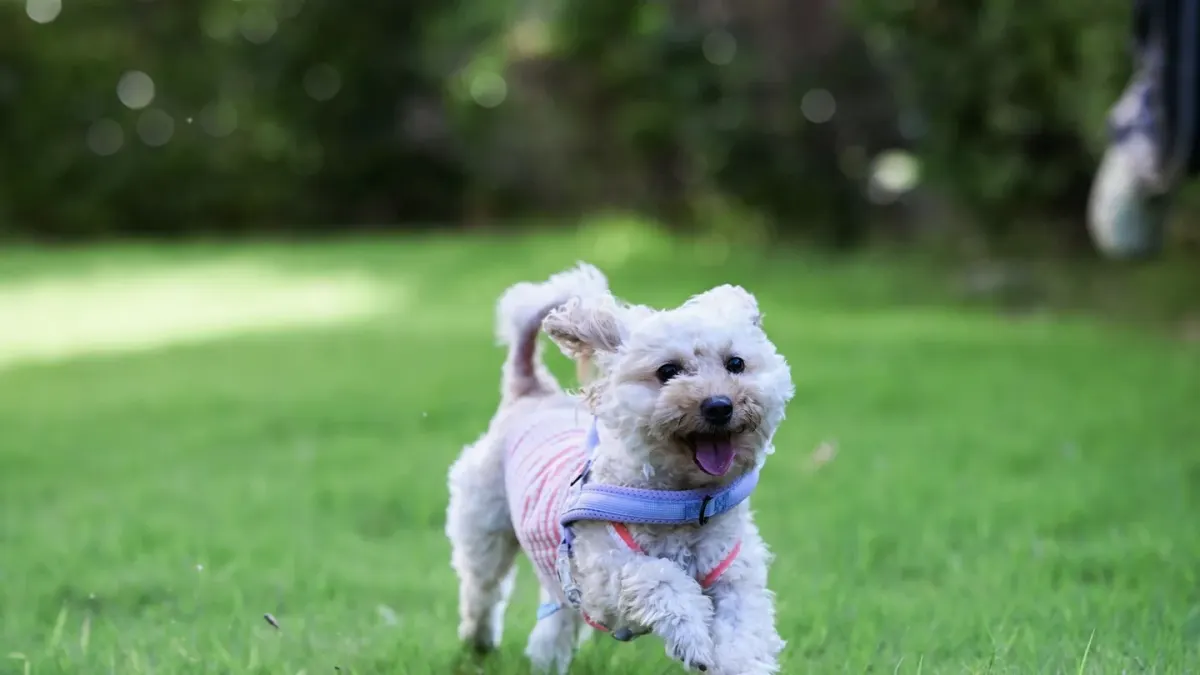
A 10-month-old terrier mix meets a new plush squirrel and, by day two, the living-room rug looks like snowfall. The owner wonders if this is aggression, boredom, or just a defective toy. That is the decision fork for destuffers: is this healthy predatory play you can manage with better toy choices, or is it frustration and over-arousal you need to redirect?
From a mechanism standpoint, dissecting a plush toy is self-reinforcing. Dogs evolved as predators that chase, grab-bite, shake, and dissect. Soft fabric gives under canine teeth, the squeaker mimics distress vocalization, and pulling out a tuft of fill provides visual and tactile feedback. Each successful pull releases more novelty. That loop explains why many dogs ignore a hard rubber toy and obsess over a plush one for 20 minutes straight. Oral exploration also matters, especially in adolescents. As VCA Hospitals notes in its overview of destructive chewing, chewing and shredding are normal investigative behaviors that need an appropriate outlet rather than punishment.
The terrier in that first living room was 32 pounds, spayed, and getting one 25-minute walk plus five minutes of fetch after work. On camera, she did not chew the sofa or baseboards — she waited for the owner to toss the squirrel, pounced, shook it side to side, then pinned it and worked the seam with her premolars until fill came out on February 3rd, the second evening in a row. That pattern — chase, shake, dissect — points to predatory motor sequence, not anxiety. For her, the fix was not more scolding. It was a different job for teeth: save plush for short, supervised toss-and-tug games, then trade for a food-stuffed rubber toy for solo chewing. Our hands-on rubric scored that swap higher on durability and value because one $8 plush lasted three supervised sessions instead of one unsupervised gutting.
What part of the sequence your dog loves
Watch what happens before the stuffing flies. Chasers light up at the toss. Shakers grab the middle and thrash. Dissectors go quiet, hold the toy between their paws, and pick at ears, eyes, seams, and the squeaker pocket until it opens. Most confirmed destuffers are dissectors.
Texture drives persistence. Loose-weave plush, long pile, stitched seams, and a round squeaker buried in thin fill are easy to grip and tear. Dense, low-pile fabric with hidden or reinforced seams lasts longer in our testing, but no fabric plush survives a committed dissector indefinitely. That is a fit issue, not a quality failure.
Arousal matters too. Dogs that destuff fastest tend to do it when overtired, under-exercised, or revved up after greetings and rough play. The Merck Veterinary Manual describes how normal canine play and predatory behaviors escalate with excitement, which is why the same dog may cuddle a plush calmly in the evening and eviscerate it after a high-energy park session.
When gutting is normal and when to interrupt
I weigh what diet, exercise, and enrichment can realistically do for behavior and recovery, and destuffing sits squarely in that enrichment bucket. Food alone will not stop dissection, but a predictable routine of movement, training, and chew outlets lowers the intensity.
Allow supervised destuffing if your dog spits out fill, trades easily for a treat, and settles afterward. Interrupt and redirect if you see gulping of stuffing or fabric, resource guarding over the carcass, or frantic shredding of bedding, pillows, and other household soft goods. Ingested fill and squeakers can irritate the gut or obstruct, and the ASPCA specifically warns against letting dogs ingest toy fragments during destructive chewing.

A second scenario shows the tradeoff. A 4-year-old, 68-pound Labrador retriever never touched plush as a puppy, then started gutting every soft toy after his owner switched to 12-hour night shifts in November. He was alone for 10 hours with a basket of five intact plush toys and no midday break. On video he paced, whined, then systematically unstuffed three toys in one night. Swapping to tougher plush alone failed — he chewed harder and swallowed a 3-inch strip of seam fabric, which he vomited the next morning. The missing piece was not durability. It was daytime activity and a safer solo setup. The owner moved plush to evening fetch only, added a morning 30-minute sniff walk and a frozen food toy at departure, and left only a rubber chew and a washable blanket overnight. Destuffing dropped to zero because the need was boredom and isolation, not prey drive. For heavy chewers, our rope toys vs. plush toys guide scores the same tradeoff on fit and durability.
That distinction guides what to buy. For supervised predatory play, choose small-to-medium plush with minimal fill, no dangling eyes or ribbons, and an easily removed squeaker. Expect a short lifespan and price accordingly. For solo time, choose rubber, nylon, or rope options sized to the dog that cannot be eviscerated, and learn how to clean and disinfect dog toys so those daily-use toys stay safe. If you use food toys, factor those calories into meals the way you would any supplement to diet — enrichment may help support calm behavior as part of whole-patient health, but it does not replace training or veterinary care for anxiety.
The exception that bends the usual advice
Some dogs need plush the most and tolerate it the least: seniors on crate rest, anxious rescues, and post-surgical dogs that self-soothe by suckling or gently carrying a soft toy. A 9-year-old, 18-pound beagle mix recovering from knee surgery in March is a good example. She had never destuffed, but on night 12 of crate rest she started worrying the seam of her comfort plush for two hours. Taking all soft toys away increased whining; leaving a standard plush risked ingestion when unsupervised.
What worked was bending the rule in a controlled way. During the day, she kept a low-fill comfort toy for carrying only, with the squeaker removed and seams checked each morning. Overnight and when alone, she got no plush — only a quiet lick mat and a vet-approved chew that fit her post-surgery crate rest plan. The owner logged settling time, and whining fell from 40 minutes to under 10 minutes within three nights while the plush stayed intact. For comfort seekers, fit and comfort outscore durability, and supervision is the safety system.
If your dog lives to destuff, do not try to train out predation. Give it a legal outlet for 10 to 15 minutes, then put the plush away and offer a long-lasting chew or training game. Rotate textures, inspect seams before each session, and discard any toy with exposed fill, loose squeaker, or torn fabric. When in doubt about gulping, guarding, or sudden changes in chewing, check with your veterinarian — especially for puppies, seniors, and dogs with gastrointestinal history.
Frequently asked questions
Is it bad if my dog pulls the stuffing out of toys?
Not necessarily — dissecting soft toys is normal predatory play for many dogs. Supervise, remove loose fill and squeakers, and swap to a safer chew if your dog swallows pieces, guards the toy, or shreds household items.
Should I stop my dog from destuffing plush toys?
Allow it in short supervised sessions if your dog spits out fill and trades easily. Redirect to rubber or food toys for solo chewing, and remove plush when you cannot supervise, especially for strong chewers or gulpers.
What toys are better for dogs that destuff?
Use inexpensive low-fill plush for supervised play only, and durable rubber, nylon, or rope toys for alone time. Match size to your dog, check seams before each session, and discard torn toys promptly.
Sources
- Destructive Chewing — VCA Hospitals
- Behavioral Problems of Dogs — Merck Veterinary Manual
- Destructive Chewing — ASPCA