On this page
Picture two toy bins side by side: one full of frayed cotton ropes, the other stuffed with squeaky, one-eared plush animals. Every dog owner ends up sorting their dog into one bin or the other eventually, usually after a vet visit.
I’ve spent a fair amount of clinic time on the receiving end of that sorting process. A lab mix comes in for vomiting that won’t stop, and the owner mentions, almost as an afterthought, that the dog had been “really into” a rope toy for the past week. An X-ray later, you’re looking at a string of fiber threaded through several feet of intestine — what we call a linear foreign body. It’s one of the uglier surgical consults in general practice, and it’s entirely preventable. On the other side of the ledger, I’ve seen plush toys survive years in a household with a determined chewer, because the dog treated them as comfort objects rather than demolition projects. Neither toy type is inherently safe or unsafe. What matters is which dog you’re handing it to, and how closely you’re watching.
What rope toys are actually good for
Rope toys earn their keep in two places: interactive tug play and, to a real but limited degree, dental maintenance. The braided fiber has a mild flossing action — as the strands slide against the tooth surface and gumline during chewing or tugging, they can help work loose some soft plaque. That’s a genuine mechanical effect, not a marketing claim, but it’s modest. It supplements a home dental routine; it does not replace brushing or professional cleanings, and no rope toy on the market reverses established tartar.
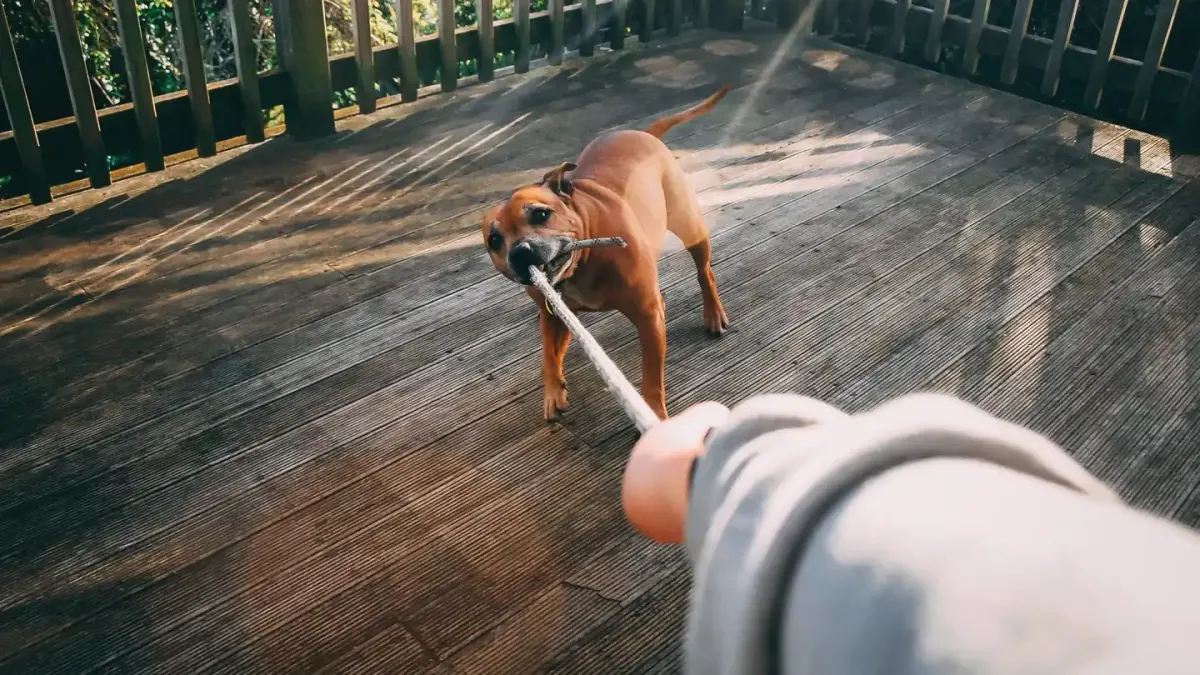
The bigger reason I like rope toys in a supervised setting is behavioral. Tug play, done with reasonable rules (a release cue, no snatching), gives dogs an outlet for predatory and social play drive that a plush toy alone doesn’t quite provide. For a young, high-drive dog, that outlet matters as much as anything you’ll do for their joints or their coat.
Where rope toys go wrong
The failure mode is almost always the same: the dog stops playing with the rope and starts eating it. Frayed fibers are the tell. Once a rope has visible loose strands, dogs — especially aggressive chewers — can strip and swallow them. Ingested rope fiber doesn’t digest, and it doesn’t always pass. It can anchor at one end (often the base of the tongue or the stomach) while the rest of the strand gets pulled forward by intestinal movement, bunching the intestine like a curtain on a rod. That’s a surgical emergency, not a wait-and-see situation.
The fix isn’t complicated, just consistent: inspect the rope before every session, retire it the moment it starts fraying, and don’t leave it as an unsupervised chew toy for a dog who tends to shred rather than tug. If your dog is a known string-swallower, rope toys probably aren’t worth the risk regardless of how well-built the toy is.
What plush toys are actually good for
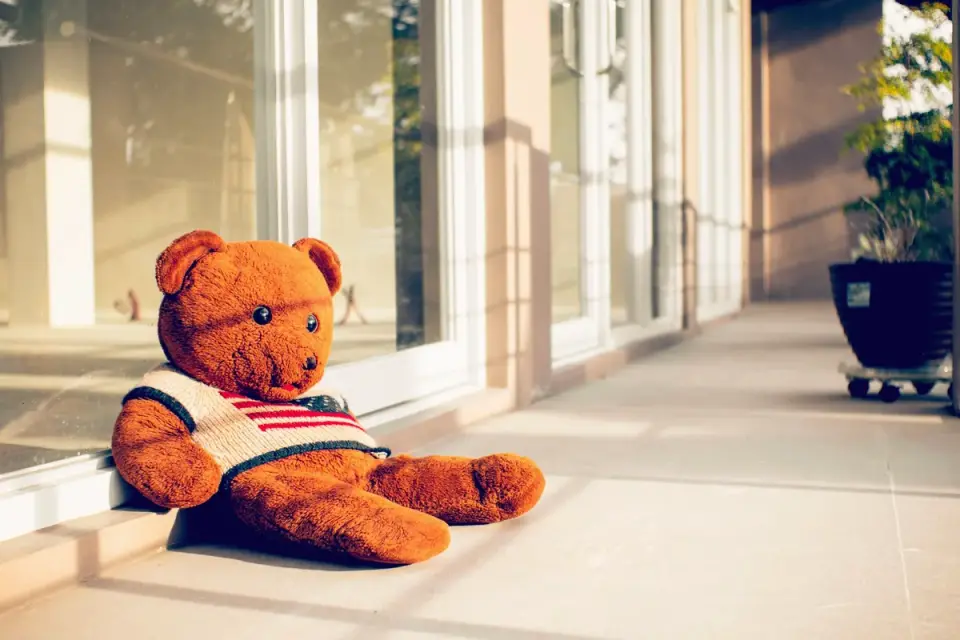
Plush toys do something rope toys can’t: they satisfy a comfort or possession drive rather than a chewing one. Puppies going through teething often carry a soft toy around, sleep with it, or use it to self-soothe, and that behavioral role is worth respecting even though it isn’t a dental or fitness benefit. Squeaker-equipped plush toys also tap into prey-drive satisfaction — the squeak mimics a small animal’s distress sound, and for a lot of dogs that’s genuinely rewarding in a way a silent toy isn’t.
For dogs who are “soft mouths” — the ones who carry, shake gently, and don’t systematically dismantle their toys — a well-made plush toy can last a surprisingly long time and pose very little risk.
Where plush toys go wrong
The failure mode here is destruction followed by ingestion of the parts. Stuffing, squeakers, and plastic eyes or noses are the usual culprits. A squeaker is a particular hazard: it doesn’t break down in the stomach, it’s an odd shape and texture for the gut to move along, and depending on size it can lodge anywhere from the esophagus to the small intestine. According to guidance summarized on the VCA Animal Hospitals Behavior Management resource, toys should be size-appropriate and durable enough that a dog can’t easily break off and swallow pieces — and if a dog is chewing off pieces of a given toy, that toy isn’t a good fit for them, full stop.
One case that’s stuck with me: a nine-year-old terrier mix, about 14 pounds, came in after her owner noticed she’d stopped finishing meals over about three days and was uncharacteristically quiet in the evenings, lying on the kitchen tile instead of her usual spot on the couch. The owner had recently bought a squeaky plush hedgehog, and the dog had hollowed out one seam within a day. We found the squeaker sitting at the pylorus — not quite blocking, but close, and irritating the stomach lining enough to explain the appetite drop. It came out with an endoscope rather than surgery, which was the lucky version of that outcome. The toy had looked sturdy on the shelf. It wasn’t sturdy against a determined 14-pound dog with an afternoon to work with.
How to actually choose
Match the toy to the dog’s chewing style, not to the toy’s marketing category. A dog who tugs and carries but rarely tears fabric or fiber can do fine with either type, as long as you retire worn toys promptly. A dog who systematically destroys everything they’re given — stripping seams, pulling stuffing, biting through rope — needs closer supervision with both categories, and probably needs a rotation that swaps in tougher rubber or nylon chews for unsupervised time, saving rope and plush for supervised sessions only.
According to the toy-selection guidance from Humane World for Animals, checking toys regularly for damage and removing worn ones before they become a hazard is one of the simplest and most effective habits an owner can build. I’d add: don’t wait for visible fraying on a rope or a torn seam on a plush toy to feel dramatic before you act. The threshold for retiring a toy should be lower than most owners think it is.
A consistent toy-cleaning routine also does double duty — it gives you a scheduled moment to inspect for wear, not just for grime. And if you’re building out a rotation for a toy or small breed, size the rope’s diameter and the plush toy’s overall footprint to the dog’s mouth; a toy scaled for a Labrador is a choking risk for a ten-pound dog, not a durability upgrade.
By the time most owners get good at reading their own dog’s chewing style, they’ve usually gone through a toy or two that failed instructively. That’s normal. Keep the inspection habit, retire toys early, and let the dog’s actual behavior — not the toy aisle’s marketing — decide which bin gets more use.
The bottom line
Neither rope nor plush toys are safer across the board; each carries a specific, well-documented failure mode, and each offers a real benefit the other doesn’t. Pick based on your dog’s demonstrated chewing style, inspect before every use, and retire anything showing wear before it becomes a swallowing risk. If your dog has already shown a pattern of shredding and swallowing fiber or stuffing, move them toward supervised-only play with either category and lean on more durable chew options for unsupervised time.
Frequently asked questions
Are rope toys bad for dogs' teeth?
No — used appropriately, the fiber can offer a mild flossing effect that helps loosen soft plaque. It's a supplement to dental care, not a substitute for brushing or professional cleanings.
Is it safer to buy a plush toy without a squeaker?
For dogs prone to tearing toys apart, yes. A squeaker adds an extra hard, oddly shaped object that can't be digested if swallowed, on top of the stuffing risk.
How often should I replace a rope or plush toy?
As soon as you see fraying strands on a rope or a torn seam on a plush toy — not after it's fully unraveled. Build the inspection into a regular cleaning routine.
Sources
- Behavior Management - Enrichment and Activity Toys — VCA Animal Hospitals
- How to pick the best and safest dog toys — Humane World for Animals