Rawhide dog chews keep many dogs busy, but choking and blockage risks mean most dogs need safer options.
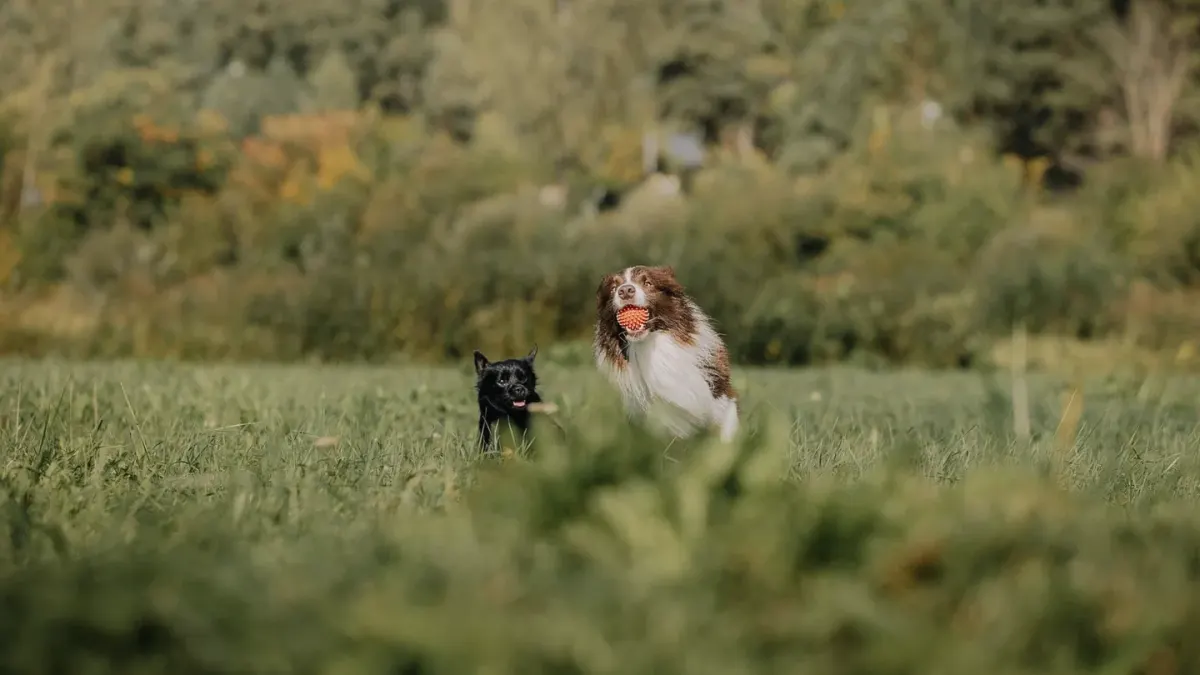
Rawhide dog chews look like a simple treat-aisle decision: grab a pressed bone or retriever roll and let the dog chew. The real fork is different — do you want a long-lasting animal-tissue chew that softens into swallowable pieces, or a chew designed to either hold together or dissolve safely.
Rawhide is made from the inner hide layer of cattle, cleaned, cut or ground, then pressed and dried into sheets, rolls, chips, and braided shapes. Chemically it is mostly collagen protein with little nutritional completeness for diet, mobility, and recovery. Chewing may help support normal jaw activity and brief enrichment, but owners should weigh what a supplement can realistically do for diet, mobility, and recovery against what a chew can do — rawhide does not balance a diet, clean teeth reliably, or aid joint recovery on its own.
Once wet with saliva, rawhide swells, gets gummy, and tears into strips. Dogs that gnaw slowly and drop pieces do better than gulpers that bite off large flaps. That difference in chewing style drives most of the risk, according to the U.S. Food and Drug Administration, which warns that bone-like chews can cause choking, mouth injuries, and intestinal blockage.
Why rawhide turns risky after it softens
Dry rawhide is hard. Wet rawhide is stretchy. The transition matters because the esophagus and small intestine do not handle large, poorly digestible plugs well. A strip that slides down easily can expand, lodge, and obstruct.
Vets often see the same pattern: a power chewer finishes half a roll unsupervised, then vomits repeatedly, stops eating, strains to defecate, or paces with abdominal pain. The Merck Veterinary Manual describes gastrointestinal obstruction in small animals as a surgical emergency with vomiting, anorexia, lethargy, and abdominal pain — signs that match rawhide blockage cases.
Otie, an 8-year-old neutered male Beagle mix living with Greg in Gainesville, Florida, illustrates the gulper problem. Greg gave a 6-inch pressed rawhide roll during a thunderstorm to keep Otie settled. Within 20 minutes Otie had softened and swallowed two 2-inch flaps whole, then began gagging and drooling. He passed the pieces after veterinary monitoring, but Greg stopped using rawhide for unsupervised chewing.
Supervision does not remove the risk.

What rawhide does and does not do for teeth
Chewing creates friction against plaque, which is why owners assume rawhide cleans teeth. Short-term mechanical abrasion can reduce soft plaque on the chewing teeth, but it does not reliably control tartar, gum disease, or bad breath across the whole mouth.
That distinction is why dental claims need outside validation. The Veterinary Oral Health Council maintains a list of products accepted for a demonstrated effect on plaque or tartar under its testing protocol, and most traditional rawhide rolls and chips are not on it. If dental benefit is the goal, a VOHC-accepted dental chew, daily toothbrushing, and veterinary dental care have a stronger evidence base than plain rawhide.
Digestibility is also limited. Collagen breaks down slowly in stomach acid compared with cooked meat or highly soluble starch-based chews, especially in large pieces. For dogs with sensitive stomachs, pancreatitis history, or food allergies to beef, that slow breakdown can mean vomiting, diarrhea, or itching the next day.
How to choose a safer chew for your dog
Start with chewing style, not marketing. For aggressive chewers, power gulpers, small breeds with narrow airways, puppies that swallow chunks, and dogs that chew alone while owners work, rawhide is a poor fit. Better options suit most of those dogs.
Use this practical screen before you buy:
- Size and shape: choose a chew larger than the dog’s muzzle width that cannot be swallowed whole, and avoid thin sheets and small chips for large dogs.
- Behavior: watch the first three sessions closely. If the dog softens and tears off strips longer than an inch, take it up and switch categories.
- Digestibility and ingredients: look for a defined ingredient list, feeding directions by weight, calorie content, and a supervision warning. Single-ingredient beefhide without feeding guidance tells you less.
- Dental evidence: if you want tooth benefits, prefer products with VOHC acceptance for plaque or tartar rather than generic “cleans teeth” language.
- Cleanability and toy pairing: long-duration rubber toys and washable plush can cover enrichment without calories. See Chew Toys vs. Edible Chews: What’s the Difference and Interactive Toys vs. Chew Toys: When to Use Each for how to split chew time and play time, plus How to Clean and Disinfect Dog Toys to keep non-edible chews hygienic.
For many households, safer rotations include VOHC-accepted dental chews for teeth, sized rubber stuffable toys for licking and gnawing, and fully digestible single-piece treats for quick rewards. Reserve any edible hide-like chew for direct supervision, take it up when it gets small enough to swallow, and discard the soggy end piece.
I would change this position if controlled feeding trials showed that a specific rawhide process reliably dissolved into small, digestible particles without obstruction signals in gulping breeds, and if independent dental testing showed whole-mouth benefit. Current evidence does not show that — it shows variable softening, real choking reports, and limited dental validation.
For most dogs, skip traditional rawhide and pick a chew matched to size, chewing style, and a verifiable benefit.
Frequently asked questions
Is rawhide digestible for dogs?
Only partially and slowly, especially in large pieces. Swallowed strips can swell and lodge, causing gagging, vomiting, or intestinal obstruction that needs veterinary care.
Should I leave my dog alone with rawhide?
No. Give edible chews only under direct supervision, remove the chew when it softens into swallowable flaps or gets small enough to swallow whole, and call your veterinarian for repeated vomiting, drooling, or loss of appetite.
What is safer than rawhide for heavy chewers?
Match the chew to the dog: a VOHC-accepted dental chew for teeth, a sized rubber toy for gnawing enrichment, and short-duration digestible treats for rewards. Heavy gulpers usually do best without traditional rawhide.
Sources
- Gastrointestinal Obstruction in Small Animals — Merck Veterinary Manual
- Accepted Products — Veterinary Oral Health Council