Automatic ball launchers suit large dogs only with strong motors, large balls, and supervised short sessions.
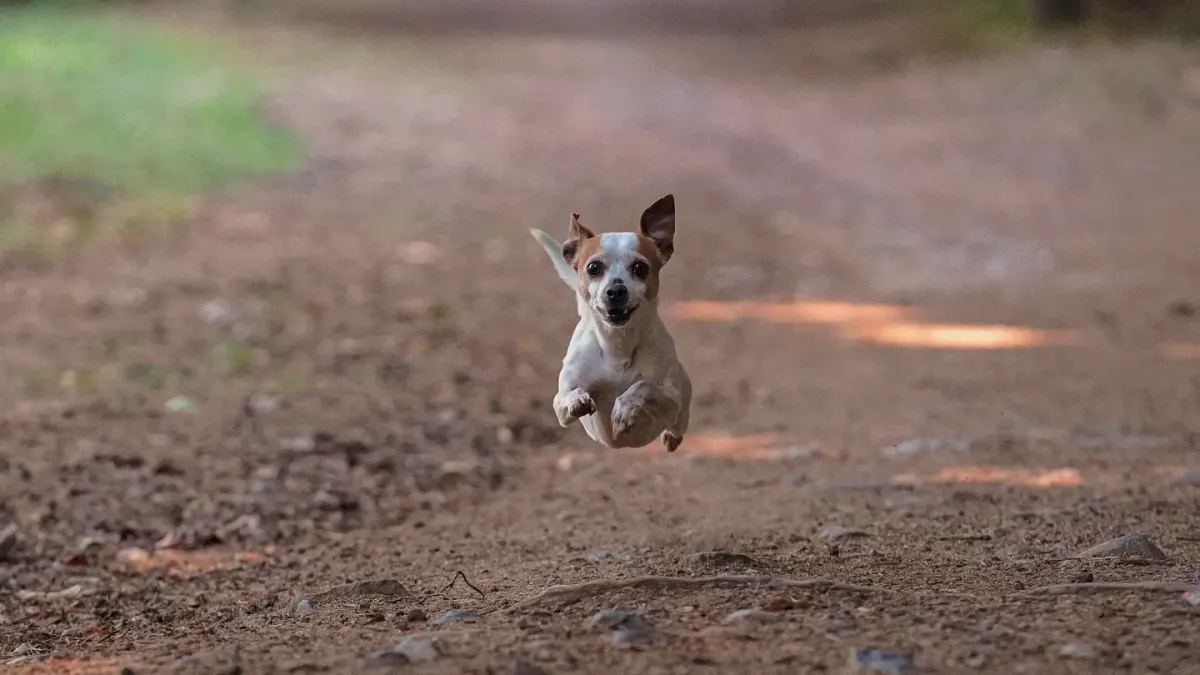
For large dogs, power and fit decide whether an automatic ball launcher survives the month.
A common question is whether more distance settings or phone controls make a launcher better for a big dog. The data and the failure reports point the other way. If the motor strains to throw a standard 2.5-inch tennis ball 30 to 40 feet, and the hopper jams when slobber builds up, extra features do not help. Buy throw strength and mouth-safe ball size first.
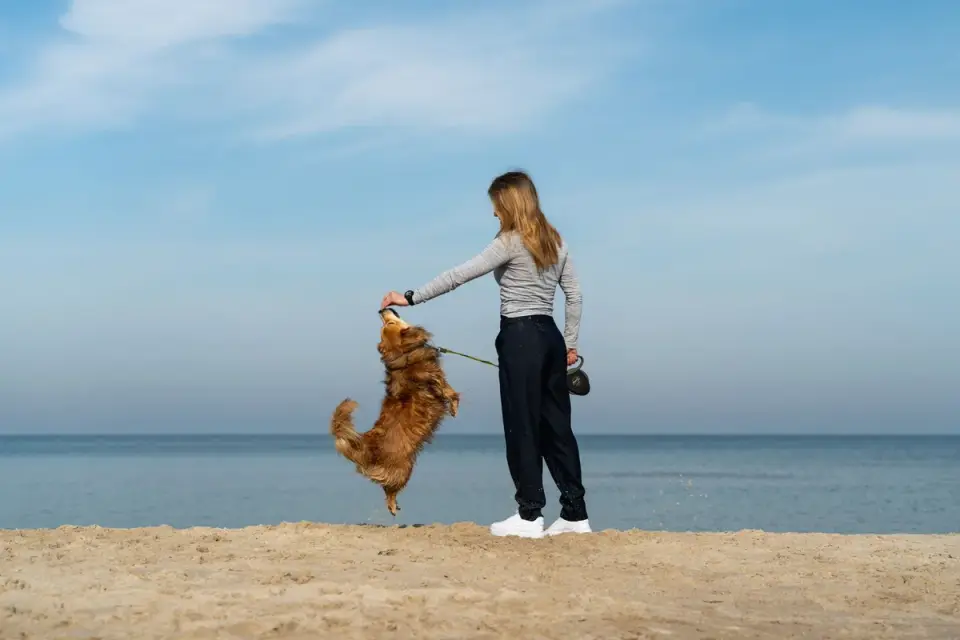
Pick throw power and ball fit before anything else
Large breeds need a wider launch tube, a higher-torque motor, and balls sized for large mouths. Small 1.5-inch balls made for terriers are a choking risk for Labs, shepherds, and pit-type dogs, and they rattle around in a large hopper and misfire. The American Veterinary Medical Association notes that balls small enough to fit entirely behind the canine teeth can lodge in the throat, which is why toy size should be matched to mouth size.
In practice, look for machines that ship with 2.5-inch balls or larger, accept the same size consistently, and throw 25 feet or more without sounding strained on grass. If you already own tennis balls, compare them head-to-head on felt wear and mouth fit before you load the hopper. Our breakdown of Tennis Balls vs. Rubber Balls for Fetch: Which One Should You Actually Throw? explains why felt shreds faster for heavy chewers.
Undersized mechanisms fail in the same three places. The wheels slip on wet balls, the hopper throat clogs, and the housing cracks where a large dog paws at it to reload. A heavier base and a simple gravity feed hold up better than a tall narrow tower with a fancy lid.
Set distance, angle, and reps for joints
You do not need maximum distance to tire out a large dog. Short to medium throws with rest breaks protect shoulders and elbows better than 15 straight full-power sprints.
A useful starting point is 20 to 30 feet on flat grass, with the launch angle slightly upward so the ball lands and rolls instead of rocketing at chest height. Keep sessions to about 10 to 15 throws, then pause for water and a sniff break. The exercise guidance from the American Kennel Club stresses regular moderate exercise matched to breed and fitness, with close watching for fatigue, limping, or heavy panting that does not resolve.
Supervise every round. Stand to the side of the launch path, keep other dogs clear of the landing zone, and unplug or power off the machine before you clear a jam. For hot days, move fetch to morning or evening and add a cool-down option like the ideas in Backyard Sprinkler and Splash Games for Hot Days.
This is where my take is firm. I would reject a compact indoor-focused launcher for a 70-pound dog even if reviews praise the app, and I would keep a large-bore outdoor model with adjustable distance even if it looks plain. Read the data closely before crowning anything on features.
What I would buy for a big dog
Choose a large-dog model with a strong motor, 2.5-inch balls, three or more distance settings, and a stable base you can wipe clean. Skip tiny balls, slick floors, and unsupervised play.
Clean balls after each session and rotate in dry spares during play, since caked slobber is what stalls most wheels. Our guide to How to Clean and Disinfect Dog Toys covers a simple soap-and-water routine that works for rubber launcher balls too.
That setup gives you real fetch without beating up the machine or the dog.
Sources
- Selecting Pet Toys — American Veterinary Medical Association
- How Much Exercise Does Your Dog Need? — American Kennel Club