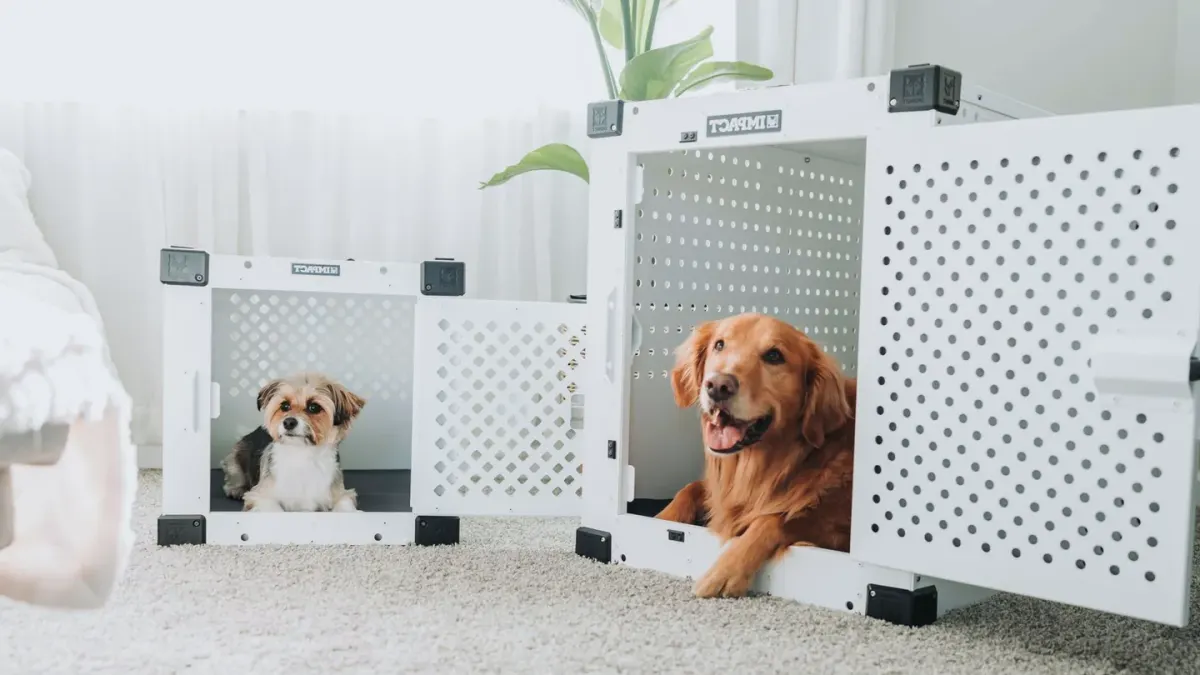
Expect one out of three long-drive problems to trace back to loose packing, not bad luck. Set the crate or harness before you load a single chew. Pack restraint first. A secured crate sized to stand, turn, and lie down may help support safer travel, and the AVMA reminds owners to restrain pets on every trip and never leave them alone in a parked car. If you use a harness instead, compare the tradeoffs in our guide to Dog Car Seat Belt vs Crate vs Barrier: Which Restraint Is Safest?. Bring the leash you actually control with — a 6-foot flat leash plus a backup slip lead — not a retractable leash for rest stops.
She was a 4-year-old, 62-pound Labrador mix headed from Ohio to Colorado for a family move, sweet baseline behavior but vocal when restless. Her owner had packed toys, treats, and a new bed, yet the crate was borrowed and too small and the harness had never been fitted. Three weeks in planning, one hour into driving, the dog was panting, pawing at the seatbelt tether, and refusing to settle. We repacked around expectation first: a properly sized crate with a familiar blanket, a frozen stuffed Kong for the first fuel stop only, and a written stop plan every 2 to 3 hours. By day 10 on the same routine at the new house, her owner reported quiet crate entries and no car vocalizing.
Pack restraint first, comfort second
Choose the travel setup by baseline behavior. Anxious pacers do better in a covered, ventilated crate with a non-slip mat. Calm adult dogs may do well in a crash-tested harness attached to a seatbelt anchor. Test fit at home. Load the dog, drive around the block, and watch breathing, drooling, and attempts to climb forward. Adjust now. Bring familiar scent. One washed blanket from home plus one spare beats a new plush bed that slides around.
The kit that prevents most roadside problems
Build one tote that stays within arm’s reach. Label medications, keep a paper copy of vaccine records, and photograph them to your phone.
He was a 9-year-old, 18-pound terrier mix with early kidney disease, stable at home but fragile on schedule. His owners packed for fun — balls, jackets, bakery treats — and tossed his medications into a suitcase pocket without a list. By hour five the traffic detour cost them a missed dinner dose, and he vomited once after drinking heavily at a rest stop with unfamiliar water. What changed the next trip was boring structure: a pill organizer with a taped dosing card, pre-portioned kibble in zip bags, and a gallon jug of home tap water for transition. The owners kept the same low-stress handling at stops, short leash walks away from trash, and he held his baseline through the return drive.
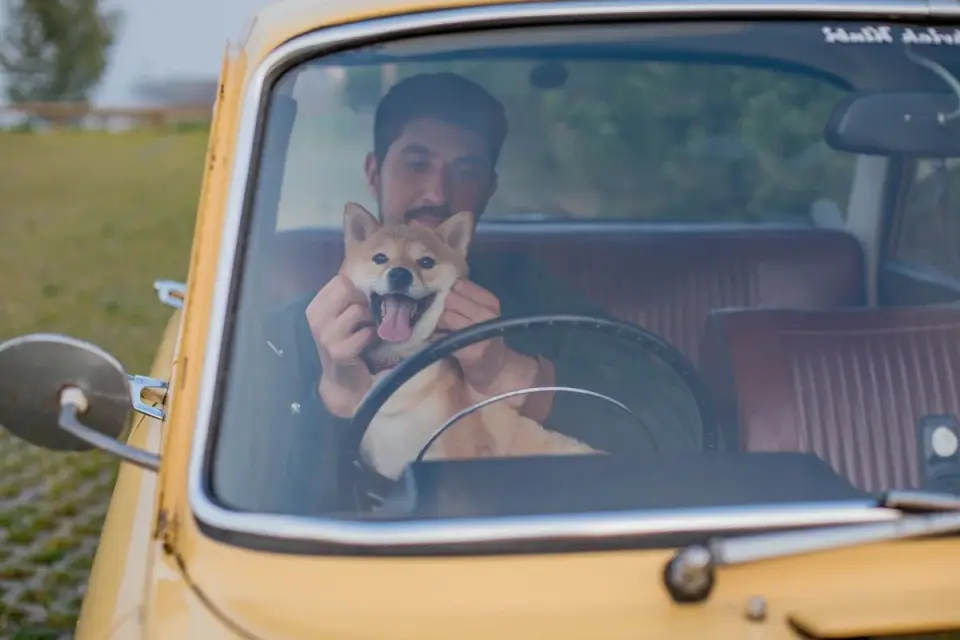
Pack water and food for continuity. Carry home water for the first 24 hours, a no-spill bowl, and the regular diet plus 1–2 extra days. Sudden diet switches on travel days commonly loosen stool. Expect heat to change everything. Cracked windows do not protect a parked car. Plan that one person stays with the dog or skip the stop. The counterargument I take seriously is to pack light and buy on the road. It works for sturdy young adults. It fails for seniors, puppies, and dogs with preventive-care needs where a missed dose or novel protein creates a problem you cannot fix at midnight. Include cleanup and identification. Waste bags, paper towels, enzyme wipes, collar with ID tags, microchip number on paper, and a recent photo. The Centers for Disease Control and Prevention notes that routine hygiene and current identification support safer handling around other animals and unfamiliar places. If flying ever enters the plan, keep records in the same folder you would use for How to Fly With a Dog: The Complete Guide.
Carry less, but carry it right.
The feeding and water routine that holds up past hour six
Feed a smaller morning meal 3–4 hours before departure. Offer water at every stop, not free access sloshing in the back. Stop every 2–3 hours. Leash walk, offer water, watch for drool, lip licking, or restlessness that signals nausea. Park in shade, keep handling quiet, and log intake and eliminations. Bring chew strategy, not a toy pile. One long-lasting chew, one lick mat for evening at the hotel, and nothing that fragments when unsupervised. Skip novel rawhide-like chews on drive day.
She was a 7-month-old, 34-pound Standard Poodle puppy, bold and social, on her first 9-hour drive to a lake house. Her owner worried about whining and packed five squeaky toys and left the crate door open to “give freedom.” By hour three the puppy was climbing into the footwell and chewing the seatbelt strap. The fix was not more entertainment. We switched to a secured crate with a frozen washcloth and a snuffle mat rotated at two rest stops, fed half the lunch portion at midday, and added a 10-minute sniff walk before reloading. At the 7-hour mark she lay down unprompted and slept to arrival, which reset the owner’s expectation for the return trip.
My recommendation for most dogs: restraint, home water, regular food plus surplus, medications with a written schedule, leash backup, waste kit, and one familiar bedding item. Add comfort only after safety and continuity are covered.
Sources
- Traveling With Your Pet — AVMA
- About Dogs — Centers for Disease Control and Prevention