
Maya had the tab open for a stone cottage in the Cotswolds, honeysuckle over the gate, and a garden that looked enormous in photos. Her dog, a 4-year-old 52-pound Lab mix named only in her notes, paced the rental flat at night and barked at hallway noise. She wanted space to decompress, morning coffee outside while he sniffed, no lobby, no elevator. The fork was simple and familiar: book the pretty garden you see online, or book the contained garden your dog can actually use without rehearsing escape, barking, or fence-fighting.
My counsel starts with containment before charm. A dog-friendly cottage with a garden is not friendly because dogs are allowed. It is friendly when the outdoor space matches baseline behavior, low-stress handling is possible, and the owner can predict what happens at 7 a.m. when a cat walks the wall. The American Kennel Club makes the same preventive point about travel in general: plan around routine, exercise, and containment, not just destination.
Vet the garden before you fall for the cottage
Filter listings for “enclosed” or “secure garden,” then ignore the adjective until you verify it. Message the host: height and material of fence, any gaps under gates, does it latch, shared or private, and how recently was it checked. A 3-foot picket with a loose latch is decoration for a determined adolescent dog. Ask for a short video of the perimeter, gate latch, and any side alley.
In the opening story, Maya did that and learned the honeysuckle gate gapped six inches at the bottom. The host was kind and honest. She booked a plainer cottage two lanes over with a 5-foot close-board fence and a bolted gate. Three weeks in, on their second morning, her dog settled on the patio for 40 minutes without pacing — the quantified change that told her containment had lowered arousal enough for rest.
Plantings matter as much as boards. Many common cottage plantings — lilies, foxglove, yew, sago palm in warmer regions — can pose risk if chewed, and prevention starts with knowing what is growing at nose height. Check new plant names against the ASPCA toxic and non-toxic plant database before you let your dog free-roam, and ask the host about recent pesticide, slug pellet, or cocoa mulch use.
The tradeoff no wide-angle photo warns you about
A couple with a 9-year-old 18-pound terrier booked the opposite: a huge, half-wild half-acre with a low stone wall and a view. On paper it was freedom. By day 3 the terrier had found the rabbit gap, rehearsed fence-running with the neighbor’s collie, and started refusing recall he knew at home. They spent the rest of the week on a long line, which was safer but not the holiday they pictured.
This is the strongest counterargument to my containment-first rule, and I take it seriously. A large, interesting garden may help support normal exercise and sniffing behavior, especially for young, athletic dogs who struggle in small hotel rooms. Confinement to a tiny paved yard can frustrate them.
I still land on secure-small over scenic-large for most pet dogs. Behavior is context-specific. Novel smells, wildlife, and unseen dogs raise arousal, and arousal degrades recall. A smaller, fully fenced space you can supervise without anxiety may help support calmer routines, predictable toilet habits, and realistic timelines for settling — usually 48 to 72 hours. You can always walk for enrichment. You cannot easily rebuild a recall that failed at an open gate.
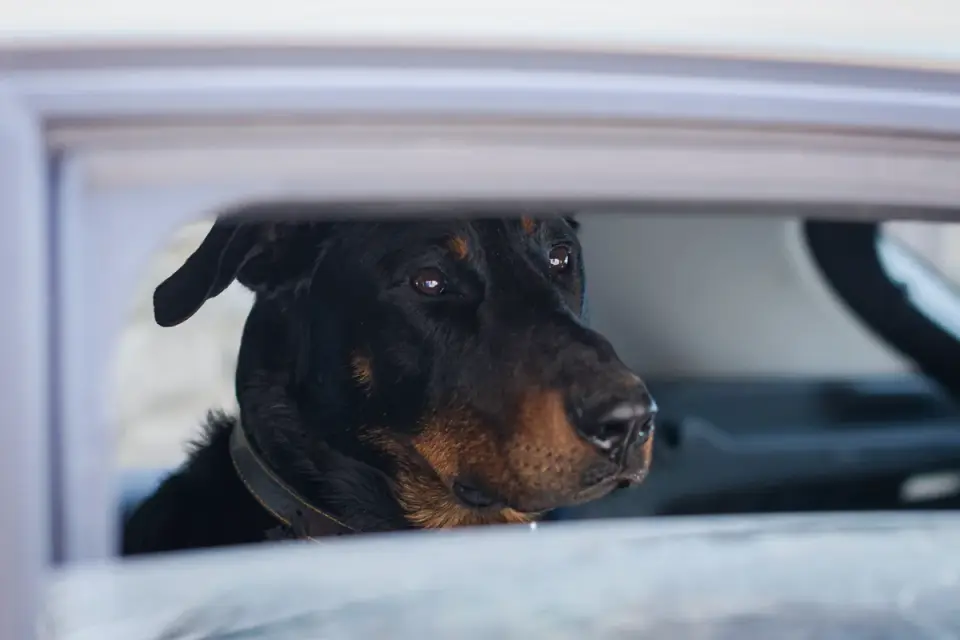
Expect to manage the first evenings actively.
That means same feeding times, a familiar bed placed with a sightline to you, white noise if the cottage is thin-walled, and short garden sessions on leash before off-leash time. The American Veterinary Medical Association recommends securing health records, ID, and transport restraints as part of travel baseline, and I extend that to the cottage: collar with ID stays on, microchip contact is current, and you know the nearest emergency clinic before you need it.
The edge case that changes the plan
A client with a 12-year-old 64-pound senior with hind-limb stiffness booked a cottage with a beautiful terraced garden — three levels, gravel, stone steps. By day 4 he was refusing the steps to toilet, holding urine longer overnight, and panting after climbs. The garden was secure but not accessible.
For seniors, puppies, or dogs recovering from injury, grade matters more than fencing. Ask about steps, slippery decking, gravel size, pond or pool access, and whether there is a flat, grassy toilet spot within 20 feet of the door. Ground-floor bedroom access helps. If you are weighing travel stress more broadly, our guide to Boarding Kennel vs Pet Sitter: Which Is Right for Your Dog? and Should You Board a Senior Dog or Hire a Sitter? can help you decide whether to bring an older dog at all. For the drive itself, see Dog Car Seat Belt vs Crate vs Barrier: Which Restraint Is Safest?
My recommendation for most owners: book the boring fence. Choose private, fully enclosed, flat access, confirmed pesticide history, and a host who answers containment questions precisely. Then bring structure: long line, stake-free tie-out alternative, chew, familiar bedding, enzyme cleaner, and a door routine that prevents bolting.
A garden holiday should lower baseline stress, not test it.
Frequently asked questions
What should I ask a host to confirm a garden is truly secure?
Ask for fence height and material, gate latch type, gaps underneath, whether the garden is private, and a video of the perimeter. Confirm recent fence checks and whether other dogs can access adjoining space.
How do I dog-proof a cottage garden on arrival?
Walk it on leash first, check for toxic plants, mushrooms, rodent bait, compost, and standing water. Block gaps, lock gates, locate the nearest road, and identify a flat toilet spot close to the door.
Sources
- Toxic and Non-Toxic Plants — ASPCA
- Traveling with Your Pets — American Veterinary Medical Association