
On this page
Maya had already paid for the lake cabin when her 6-year-old, 58-pound Lab mix had a cruciate repair, and by day 5 the incision looked clean but he whined when he stood, needed help on the two front steps, and slept in three-hour blocks between leash potty trips. She was weighing a four-hour drive, a dock, grandkids, and a different bed against her surgeon’s line — strict rest for three weeks in, leash-only outside, no stairs off-leash — and asking whether careful travel could still work. That fork is the whole guide: go together with a recovery setup, delay the trip, or keep the trip and set up skilled home care.
I counsel owners to pick rest first and fit travel around it. For most dogs in the first 10 to 14 days after anesthesia and surgery, the safest plan is to postpone dog-inclusive travel or leave the dog home with a trusted sitter who can follow discharge orders.
Should you still go if the incision looks good?
Looking good is not the same as healed. The early window is about tissue healing, pain control, appetite, bowel function, and watching for swelling, discharge, lethargy, or suture chewing, with activity restriction doing most of the work. The American Veterinary Medical Association reminds owners that travel itself adds motion stress, confinement changes, heat and schedule disruption, which is why I want baseline behavior stable — eating, drinking, urinating, defecating, resting comfortably — before I even discuss a car ride.
The strongest counterargument is real: some dogs rest better with their person than left behind, and separation stress can drive panting, pacing, and licking. I take that seriously for velcro dogs and for owners who can truly replicate home rest elsewhere. I still land on delay-or-sitter for the early phase because a new place rarely replicates it. Different flooring, stairs, furniture, visitors, and interrupted nights raise the odds of one jump, one slip, one chewed bandage.
Expectation first: recovery is boring on purpose. If you cannot promise the same low-stress handling and leash routine you have at home, change the plan.
What does a travel-ready recovery day actually look like?
Think in hours, not miles. A healing dog needs a flat resting spot away from traffic, timed potty walks on a short leash, medications on schedule with food and water, incision checks twice daily, and a way to prevent licking or scratching around the clock. Pain may help support stillness early on, but comfort is not clearance. The American Animal Hospital Association pain guidelines frame post-surgical pain care as individualized, monitored, and adjusted over time, which is hard to do well from a rest stop or a rental check-in line.
We tried the middle path last spring with a 9-year-old, 22-pound beagle at three weeks in after a mass removal. Her owner booked a ground-floor motel 90 minutes away, brought the crate, the e-collar, the exact kibble, and a taped medication sheet, and planned four rest breaks. By night two the beagle was brighter on leash but barked at hallway noise, skipped her evening water, then vomited once after her morning dose on an emptier stomach. Nothing catastrophic, yet the owner spent the getaway hand-feeding, laundering bedding, and phoning the clinic. The tradeoff was clear: the setup was right, but even light novelty cost sleep and appetite.
That is the test. Can you keep meals, meds, rest, and quiet identical for 48 hours in the new place?
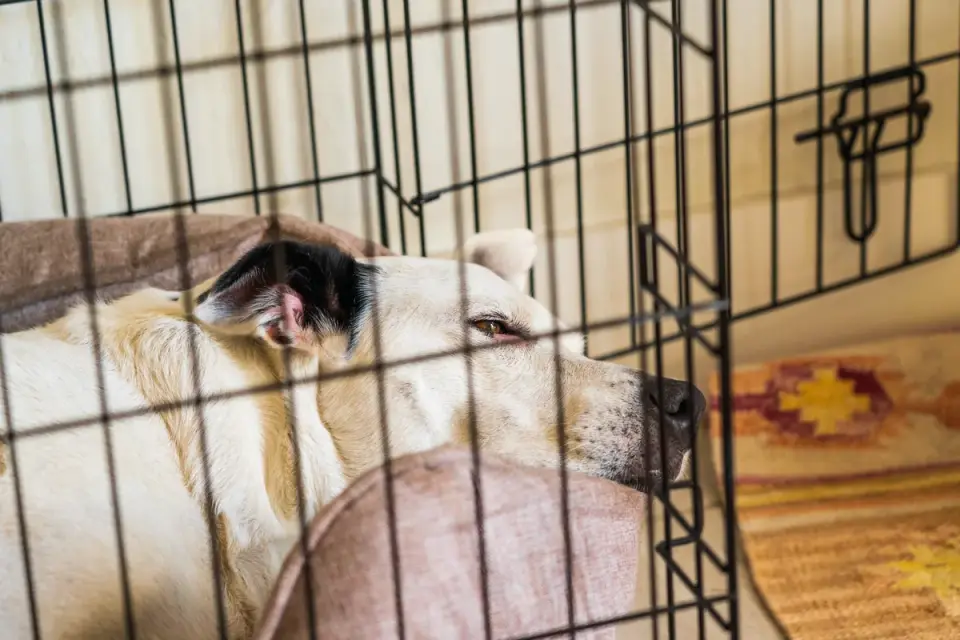
How will you lift, confine, and drive without setting healing back?
Gear matters more than destination. I score every setup on the same rubric: fit, durability, comfort, and value in real daily use, and for recovery fit means no jumping, twisting, or free roaming in the car.
A secured crate sized for a curled rest usually wins on fit and comfort over a seat harness for a sore dog, because it limits bracing and sliding. Where a crate will not fit, a crash-tested harness plus a flat back-seat hammock is the backup, never a loose lap ride. Add a non-slip ramp for any dog over 30 pounds that cannot be lifted safely by one person, plus a familiar mat, an e-collar or suit that was already tolerated at home, and a leash kept to six feet or less.
Fit falls short fast. I have watched owners buy a tall SUV ramp their arthritic partner could not angle safely, or a soft carrier that sagged under a 40-pound dog and pressed on the belly incision. Test loading at home before you decide.
If you drive, map it like nursing care: pre-drive potty, medication timing that avoids dosing right before curves, a cool car, and stops every 2 to 3 hours for water and a brief leashed toilet break on grass away from traffic. For restraint tradeoffs in detail, see Dog Car Seat Belt vs Crate vs Barrier: Which Restraint Is Safest? and for flying rules and cargo risk during healing, read How to Fly With a Dog: The Complete Guide — most post-op dogs should not fly until cleared.
Keep it simple.
One short paragraph can carry the rule: no off-leash greetings, no hotel dog parks, no held-in-arms potty shortcuts.
When does staying home heal faster than coming along?
The edge case that changes my advice is the quiet, mobile senior with a minor procedure and a long, unavoidable family trip. A 12-year-old, 18-pound terrier mix I followed had two small skin biopsies closed with three sutures each, ate normally by that evening, and by day 10 was cleared for gradually longer leash walks with the e-collar off under watch. Her owners had to drive eight hours to a ground-floor family home where someone would be present all day, versus leaving her with rotating drop-in visits that had stressed her before. With surgeon permission, a padded crate, and a written plan, travel was the calmer option.
That exception proves the filter. Short anesthesia, tiny incisions, normal baseline quickly restored, ground-floor control, constant supervision, and a reachable primary clinic. If you are missing two of those, hire care instead. Compare Boarding Kennel vs Pet Sitter: Which Is Right for Your Dog? and Should You Board a Senior Dog or Hire a Sitter? to match temperament and medical needs, and give the sitter discharge papers, dose times, an e-collar spare, your surgeon’s number, and permission to seek care.
Crossing state lines or borders adds paperwork even for a healthy dog, and illness or recent surgery does not waive it. The U.S. Centers for Disease Control and Prevention sets current dog entry and health requirements that can shift by origin and age, so confirm well before you load the car.
My bottom line for most families: protect the first two weeks, drive only when you can copy home rest exactly, and otherwise keep your trip and give your dog boring, watched healing. Which version of quiet can you actually guarantee next weekend?
Sources
- Traveling with Your Pet — American Veterinary Medical Association
- 2022 AAHA Pain Management Guidelines for Dogs and Cats — American Animal Hospital Association
- Bringing a Dog into the United States — U.S. Centers for Disease Control and Prevention