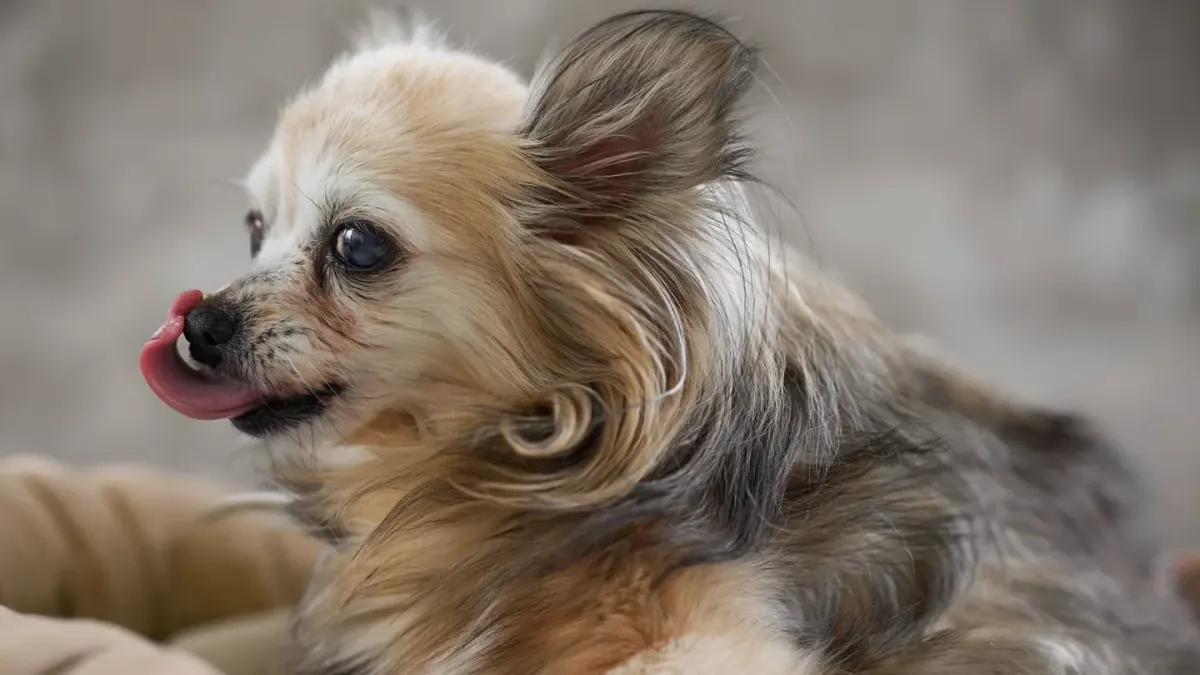
January coats tell on us. The dog is scratching at the baseboards, white flakes dust the dark couch, and the owner has to decide: is this just winter dryness I can manage at home, or is it something that needs a vet look this week?
That fork shapes everything below. If the skin is mostly intact with light flaking and mild itch, home routine changes often support comfort. If there is hair loss, odor, sores, or intense scratching, skip the home trial and book an exam.
A five-year-old black Labrador I saw most winters fits the first path. He came in January 18 after six weeks of forced-air heat, scratching his sides two or three times daily and leaving dandruff on his bed. His owner had bathed him weekly with a scented shampoo, brushed rarely, and fed the same adult maintenance diet for two years. His weight held steady at 72 pounds, skin felt dry but not greasy, and there were no sores. We talked through bath timing, brushing, and indoor air, and set a two-week check to see if the flake load was actually falling.
Quick winter skin checklist
- Cut bath frequency and switch to lukewarm water with a mild, moisturizing dog shampoo
- Brush on schedule for the coat type to lift flakes and distribute oils
- Add moisture to the air and protect paws and belly from salt and wind
- Review diet consistency and omega fatty acid balance with your vet
- Recheck in 10–14 days; escalate for redness, odor, hair loss, or sores
Bathe less, rinse smarter
Over-bathing is the fastest way to keep flakes coming. Hot water and fragranced or harsh shampoos strip surface oils that help maintain the skin barrier.
For most pet dogs in winter, every 4–6 weeks is plenty unless the vet advises otherwise for a medical coat plan. Use lukewarm water, a gentle moisturizing formula made for dogs, rinse fully, and dry completely so damp undercoat does not chill the skin. Guidance from VCA Hospitals notes that persistent scaling with itch, hair loss, or odor deserves skin testing rather than another bath.
I learned this tradeoff with a two-year-old Goldendoodle who looked worse after “extra care.” The owner, trying to help, gave three baths in 14 days with hot water and a deep-cleaning shampoo, then blow-dried on high heat. By night 12 the flaking had doubled, the belly looked pink, and the dog hid at the bathroom door. We paused baths for three weeks, moved to cool-warm rinses only for muddy paws, added line-brushing every other day, and the coat settled. More washing had been the irritant.

Brushing matters as much as shampoo.
Brush for the coat you have
Dead hair traps dander and makes flakes look heavier than they are. Short coats often do well with a rubber curry and weekly pass; long, curly, or double coats usually need more frequent line-brushing to prevent tangles that hold dry skin against the body.
Keep sessions short and calm. If brushing pulls or the skin looks scratched afterward, the tool or pressure is wrong for that coat. Owners deciding between tools can compare approaches in Dog Clippers vs. Scissors: Which One Your Grooming Routine Actually Needs and Does Detangling Spray Actually Work on Dogs? before buying another gadget.
Fix the air, not just the dog
Forced-air heat drops indoor humidity into the 20s, and skin dries from the outside in. A bedroom humidifier set near 40–50% may help maintain comfort for both people and dogs, along with washable bedding laundered in unscented detergent.
Outdoors, wind and de-icing salt chap exposed skin. Rinse paws and belly after salty walks, pat dry, and check pads for cracking. A well-fitted winter layer can support warmth for thin-coated or small dogs, but fit and comfort decide whether it helps — the same rubric I use when testing any gear hands-on.
Food supports skin over weeks, not days
Coat quality reflects consistent nutrition. Sudden diet switches in December will not fix January flakes, and may cause GI upset that distracts from the real issue.
If the diet is complete and balanced for life stage, ask your vet whether total fat, essential fatty acid balance, and feeding amount still match the dog’s condition. Fish-oil supplements are commonly discussed for skin support, though the preventive evidence is thin for routine winter dryness and dosing should be vet-guided. Background on omega-3 forms and diet interactions is summarized by the National Institutes of Health Office of Dietary Supplements.
The bend-in-the-road case was a nine-year-old terrier mix with heart disease on a strict low-sodium diet. Standard “add fish oil and switch foods” advice did not apply. Instead of changing the prescription diet, over four nights of coughing and restless scratching we focused on what was safe: a humidifier in the sleeping room, daily five-minute brushing, paw rinses after each of her two short block walks, and a recheck with her vet and cardiologist before any supplement. Her flakes eased without touching the diet.
That is honest prevention.
When flakes are not just winter
Book a vet visit promptly for intense itch, chewing paws raw, hot spots, crusts, greasy odor, patchy hair loss, or flakes that do not improve after 10–14 days of gentler care. Winter does not protect against fleas, mites, yeast, bacterial infection, or hypothyroidism, and those need diagnosis.
Bring notes: bath dates and products, brushing frequency, diet and treats, parasite prevention, and when the itch started. If home grooming feels overwhelming, At-Home Grooming vs a Professional Groomer: How to Actually Decide can help you decide what to hand off.
For simple winter dryness, my recommendation holds: bathe less with lukewarm water, brush on schedule, humidify the sleeping room, rinse road salt, and recheck diet with your vet. It is unglamorous, and it supports the barrier while you watch for red flags.
Frequently asked questions
How often should I bathe my dog in winter?
For most pet dogs without a medical skin plan, every 4-6 weeks with lukewarm water and a mild dog shampoo is enough; rinse paws and belly as needed between full baths and dry thoroughly.
When are flakes more than dry skin?
Schedule a vet exam for intense scratching, redness, crusts, greasy odor, patchy hair loss, or flakes that do not improve after 10-14 days of gentler home care.
Sources
- Omega-3 Fatty Acids Fact Sheet for Health Professionals — National Institutes of Health Office of Dietary Supplements