On this page
You can keep your dog cool without shaving, and in day-to-day practice the coat is rarely the part I change first. I look at airflow through the coat, water access, walk timing, and rest setup before I reach for clippers.
Here is the checklist I use for most coated dogs in summer:
- Keep the undercoat brushed out so air can reach the skin
- Trim for hygiene and paw grip, not a full shave-down
- Offer cool water often and add shade plus airflow at rest
- Walk early or late, test pavement, and shorten midday outings
- Watch for heavy panting, drooling, or slowing down and cool promptly
- Plan extra caution for puppies, seniors, flat-faced breeds, and heavy coats
A 4-year-old, 68-pound Golden Retriever came in during late June after his family debated shaving him before a beach week. They described three evening walks cut short because he lay down in the grass panting, and a living room where he moved from rug to tile every 20 minutes looking for a cool spot. His undercoat was packed behind the ears and along the rear legs, with light matting starting at the collar line. We brushed the loose undercoat out, trimmed the paws and sanitary areas, and set a plan for morning walks, water breaks, and a shaded rest mat. On follow-up the owners said he settled faster after walks.
Brush for airflow, not for looks
A clean, separated coat supports insulation in both directions and may help maintain normal skin airflow. When loose undercoat packs down, heat and humidity get trapped near the skin.
I brush in layers, lifting the topcoat and working the undercoat tool or slicker underneath in short strokes, then comb to check. If the comb snags, there is still packed coat to remove. Daily quick passes during heavy shed season beat one long weekend session.
For owners managing curls and waves, my guide to How to Keep a Doodle’s Coat From Matting walks through the same layer-by-layer check. Matting pulls on skin and holds heat, so prevention supports comfort.
This is thin-evidence territory in one sense: we do not have perfect trials showing a set number of brush strokes lowers body temperature. What I see consistently is dogs pant less on walks once the packed undercoat is out and the coat moves freely again.
Trim the right spots and leave the jacket alone
Shaving a double coat does not reliably make a dog cooler and can raise sunburn risk on exposed skin. The American Veterinary Medical Association notes that shade, water, and limiting exercise in heat matter more than cutting coat length, and cautions against leaving pets exposed to high temperatures.
What I do trim:
- Paw pads for traction on slick floors and to clear debris
- Sanitary areas to stay clean in humid weather
- Around the collar and harness line where friction mats form
- Long ear fringes that drag in water bowls
Keep the length over the back and sides. That outer coat helps block direct sun.
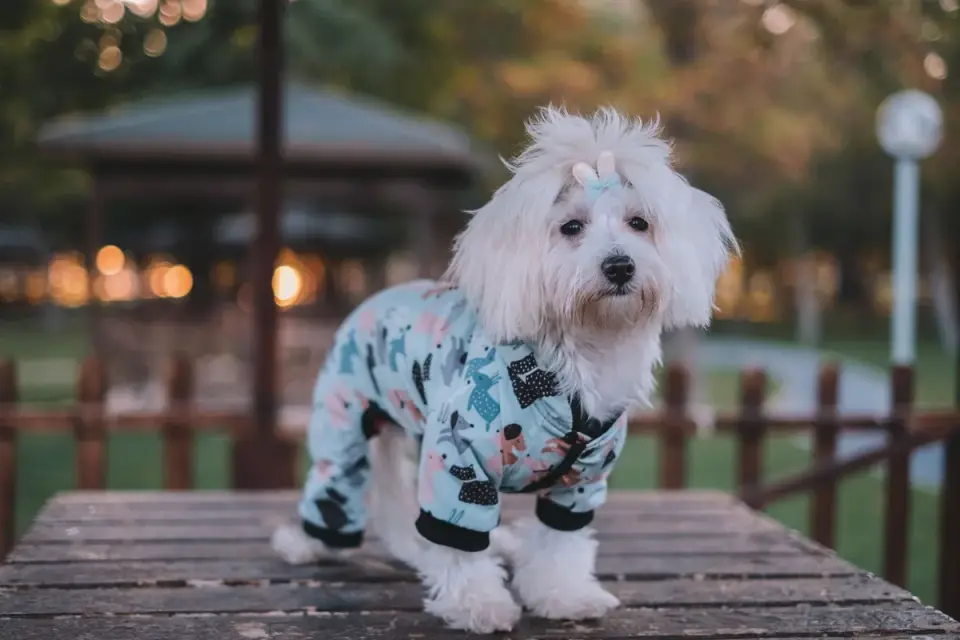
Cooling comes mostly from panting and limited sweating through paws, not from bare skin. That is why shade plus moving air often helps more than a short cut.
Water, shade, and timing do the heavy lifting
I tell owners to treat water like a medication schedule in July and August. Fill the bowl before the walk, bring water on the walk, and refill right after.
A 9-month-old, 22-pound French Bulldog mix taught me how fast timing matters. Her owner tried a midday 1.2-mile loop to a park, and halfway there the puppy started drooling, panting loudly, and sitting every block. They carried her the last quarter-mile home and cooled her with shade and small drinks. We switched to two 15-minute morning and evening walks for two weeks, plus indoor play at noon. The loud panting after walks eased, and she stopped refusing the harness in the evening.
Shorten distance before you shorten frequency. Flat-faced breeds, puppies, seniors, and dogs with heart or airway disease need shorter windows.
VCA Hospitals describes heatstroke signs including excessive panting, drooling, lethargy, and vomiting, and advises prompt cooling and veterinary care for suspected cases. I keep that threshold low.
Set up a cool rest spot
Dogs choose cool surfaces for a reason. I like a washable cot or mat in shade, a fan moving air across the room rather than straight at the face, and curtains closed on afternoon-sun windows.
Avoid ice baths and very cold water, which can cause shivering and discomfort. Lukewarm water on paws and belly, damp towels to lie near rather than wrapped tight, and small frequent drinks are better tolerated.
Bathing can support coat airflow when done correctly, especially for big dogs that overheat during grooming itself. If summer baths wear you out, How to Bathe a Big Dog at Home Without Wrecking Your Bathroom or Your Back has a low-stress setup I recommend.
When anxiety or age changes the plan
Some dogs pant from stress as much as heat, and summer grooming can stack both. For dogs that struggle with handling, go slower, split brushing into 5-minute sessions, and use high-value rewards. My approach in How to Groom an Anxious or Reactive Dog Without a Meltdown applies directly here.
An 11-year-old, 54-pound Labrador with arthritis showed the bend in the usual advice. She needed midday potty breaks but could not handle even a half-mile walk when the heat index passed 88 degrees on five straight afternoons. Her owner switched to a 100-yard shaded grass loop, carried water, then toweled her paws and belly with cool damp cloths back inside. Night restlessness dropped from four wake-ups to one, and she stopped panting at the water bowl.
Seniors may need shorter, more frequent outings and a cooler bedroom. That is normal prevention, not failure.
What I would actually do
Keep the coat. Clear the undercoat, trim paws and sanitary areas, and put your energy into water, shade, airflow, and walk timing.
Watch the dog in front of you. Easy recovery after a walk is reassuring. Prolonged panting, bright red gums, vomiting, stumbling, or collapse needs prompt veterinary care.
Do you have a shady morning route and a cool rest spot ready before the next heat wave?
For related context, read How to Bathe a Big Dog at Home Without Wrecking Your Bathroom or Your Back.
For related context, read How to Groom an Anxious or Reactive Dog Without a Meltdown.
Frequently asked questions
Will shaving my double-coated dog keep him cooler?
Usually no. The outer coat helps block sun, and cooling comes mainly from panting and shade, water, and airflow. Brushing out loose undercoat and trimming paws and sanitary areas supports comfort better than a full shave.
How do I know my dog is too hot on a walk?
Heavy panting that does not ease quickly, thick drool, lagging behind, seeking shade and lying down, or bright red gums are warning signs. Stop, move to shade, offer small drinks, cool paws and belly with lukewarm water, and call your veterinarian if signs persist.
Sources
- Warm-Weather Pet Safety — American Veterinary Medical Association