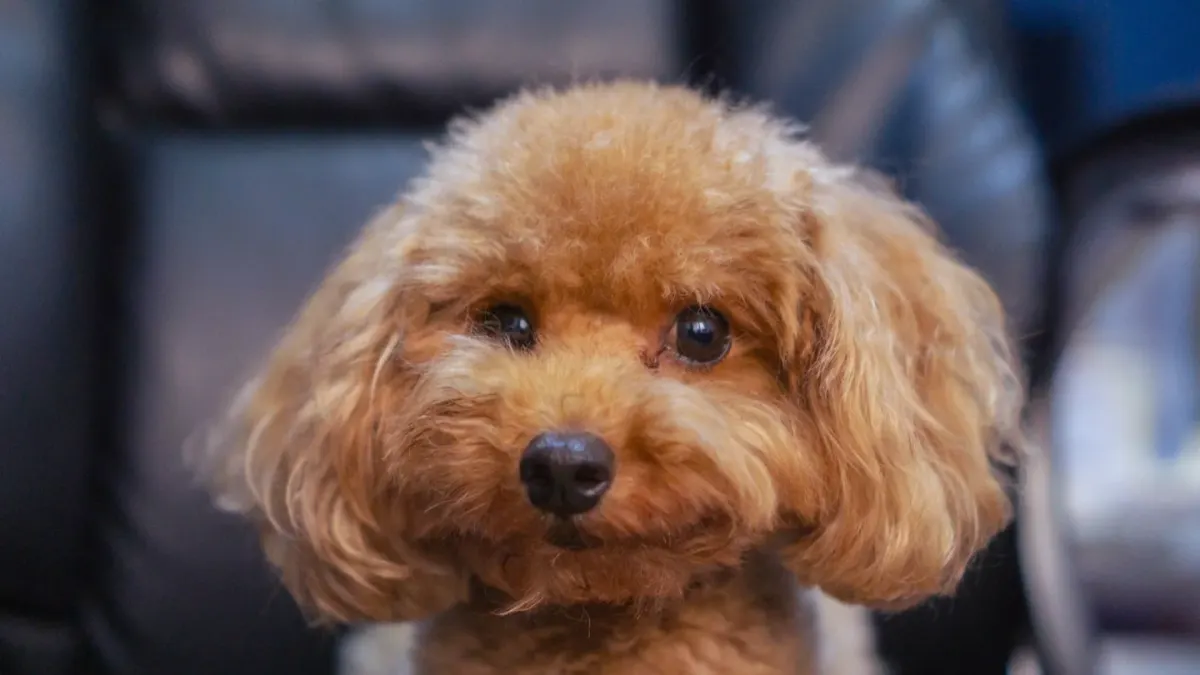
For short-coated dogs, the decision is narrower than most product pages make it look: soft, short rubber nubs in a glove that fits snugly, or skip the glove and use a different deshedding tool.
I test a lot of gear hands-on for this column, and grooming gloves are one of those tools owners either love or abandon in a drawer. With a Labrador, Boxer, Beagle, or French Bulldog type coat, the hair is short, often dense, and it sheds on a cycle. A glove can support home coat care by lifting loose hair and giving you a regular hands-on check, which is also what VCA Hospitals recommends as part of routine grooming — touch, look, then brush.
A 65-pound Boxer mix I saw in day-to-day practice sums up the fork. He was four, healthy, lean, and his owner was vacuuming the couch every evening and wondering if a long-pin grooming glove would “get more hair out.” We talked through what she was seeing: smooth coat, no mats, but a fine layer of short hairs on his crate blanket every morning and mild dander when she rubbed backward along his ribs. She was weighing a thick silicone-pin mitt advertised for heavy shedding against a thin mitt with short, soft rubber nubs. After ten days of short evening sessions with the softer mitt, she reported the blanket needed shaking out every third day instead of daily, and the dog leaned in rather than stepping away.
That is the main pattern I watch for.
Short coats shed — they do not need deep rakes
Short hair still sheds, especially in spring and fall, but it rarely tangles. Long metal pins, stiff curry teeth, or dense long silicone spikes are built to reach through undercoat or pull at mats. On a short, smooth coat they tend to drag on skin without picking up much more hair.
What may help maintain comfort is the opposite: short nubs, about the height of a grain of rice, made of soft flexible rubber, spaced evenly across palm and fingers. They create light friction that lifts loose topcoat hair and surface dander while distributing skin oils. The evidence here is thin — we do not have controlled trials comparing nub shapes in dogs — but in practice, softer and shorter causes less redness and less avoidance.
Check fit before you judge performance. A loose glove bunches at the fingertips and you press harder to compensate. Look for adjustable wrist straps, breathable mesh backs, and left-right sizing rather than one-size. If you are between sizes, size down.
Rubber nubs compared with silicone pins and mitts
Rubber tends to grip short hair better and create a little static lift. Silicone can feel smoother and is often easier to rinse clean, but very tall or pointed silicone pins can feel pokey on thin-coated bellies and faces.
I score every glove on the same rubric: fit, durability, comfort for the dog, and value. For short coats, comfort for the dog wins. A glove that pulls in a lot of hair but leaves pink streaks or makes the dog leave the room has failed.
Use light pressure and short strokes in the direction of hair growth, from neck toward tail. Avoid pressing over bony points, nipples, armpits, and any scab or hot spot. Two to five minutes is enough for most short-coated dogs, two or three times per week outside heavy shed season. Daily is fine during a shed blow if skin looks calm and you keep sessions brief.
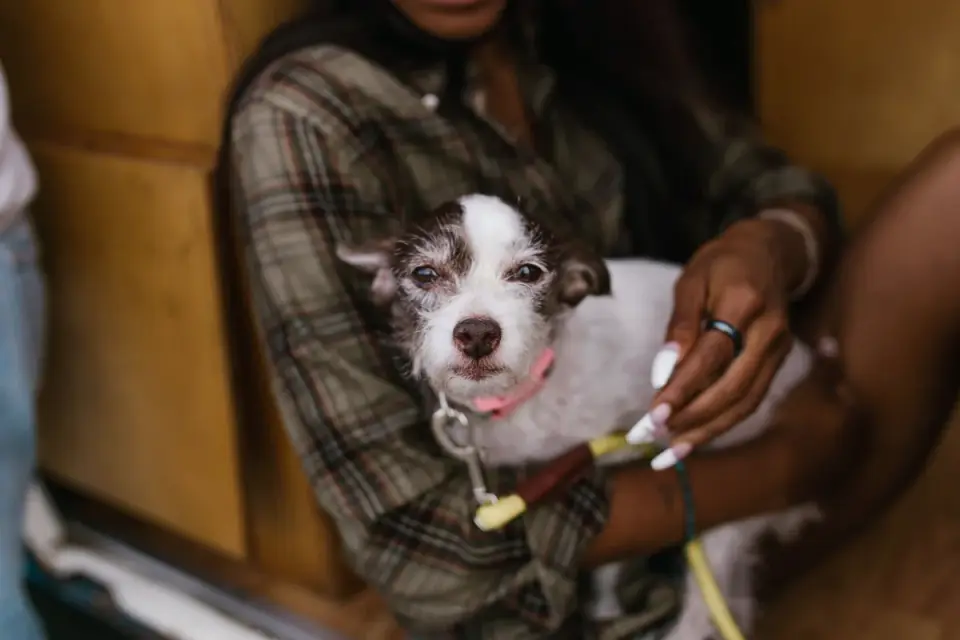
The tradeoff shows up fast when the wrong texture meets the wrong technique. One owner of a stocky adult Beagle came in frustrated after three grooming sessions with a stiff, long-spiked glove she had bought for “maximum deshedding.” Each session lasted almost fifteen minutes, and by the third night she counted four small pink patches along his shoulders where the nubs had scraped, plus flaking near the tail base. The dog started ducking behind the coffee table when the glove appeared. We paused gloves for a week, let the skin settle, then restarted with a soft short-nub mitt, flat palm, barely any pressure. She learned to stop when the palm collected a thin film rather than chasing every last hair.
That is the test I use.
If skin pinks up, if dander increases, or if your dog avoids you, the tool or pressure is wrong — even if the hair pile looks impressive.
When I would bend the usual soft-and-short rule
Most short coats do best with the softest effective option. There are exceptions where I adjust rather than push harder.
A senior short-coated dog with dry, flaky skin and early arthritis taught me to bend the routine. She was an 11-month-old rescue’s opposite — a slow-moving, gray-muzzled house dog who stiffened if you reached over her hips and who flinched at vigorous rubbing along her spine. Her owner wanted to keep up with shedding, but full-body glove sessions left the dog restless and the skin dusty. Instead of a longer session, we split the job: a damp microfiber cloth to lift surface dust, then a one-minute glove pass only along the shoulders and thighs where the dog enjoyed pressure, paired with the kind of low-stress handling Fear Free Pets emphasizes for home care — short sessions, treats, and stopping before stress builds. Her owner also kept baths spaced out, which lines up with guidance from the American Veterinary Medical Association to bathe only as needed to avoid drying skin.
Skeptical friend question: “Is a glove actually doing anything, or is it just petting with extra steps?” Fair. A glove will not replace a brush for undercoat removal and it will not fix excessive shedding from diet, parasites, thyroid disease, or allergies. What it supports is regular loose-hair removal and early detection — you feel lumps, ticks, burrs, or sore spots while you groom. If shedding suddenly worsens, if you see bald patches, odor, itch, or greasy scale, skip shopping and get an exam. For breed-specific texture questions, our guide to Cockapoo Grooming and Coat Care: A Vet’s Practical Guide and Grooming Needs by Dog Size: Small vs Large Breeds can help you decide when home tools are enough, and At-Home Grooming vs a Professional Groomer: How to Actually Decide walks through what to hand off.
So what would I buy? A snug, breathable glove with short, soft rubber nubs and an adjustable wrist — nothing fancy.
Could a different routine suit your dog better next spring?
Sources
- List of Certified Professionals — Fear Free Pets
- Pet Grooming — American Veterinary Medical Association