On this page
Here’s the fork most owners actually face, and it isn’t “home versus salon” as a permanent choice — it’s which tasks belong where, week to week.
I’ve sat across the exam table from owners holding a mat comb in one hand and a groomer’s business card in the other, unsure which one solves the problem in front of them. The honest answer is that both belong in the picture, just for different jobs.
Why this isn’t really an either/or question
Home grooming and professional grooming aren’t competing services. They cover different risk levels. Brushing, ear checks, and light bathing are maintenance — low skill floor, done often, meant to catch problems early. Nail trims on a nervous dog, de-matting a double coat that’s gone past the skin, or breed-specific clipping are technical work with real failure modes: cut quicks, clipper burn, or a dog that now fights every future grooming session because one went badly.
The How to Groom a Dog at Home: American Kennel Club frames this as a combination approach — home grooming and hygiene paired with regular professional visits gives a dog’s coat, nails, teeth, ears, eyes, and paws consistent attention. That’s a more useful mental model than picking a side.
What professional groomers are actually trained to catch
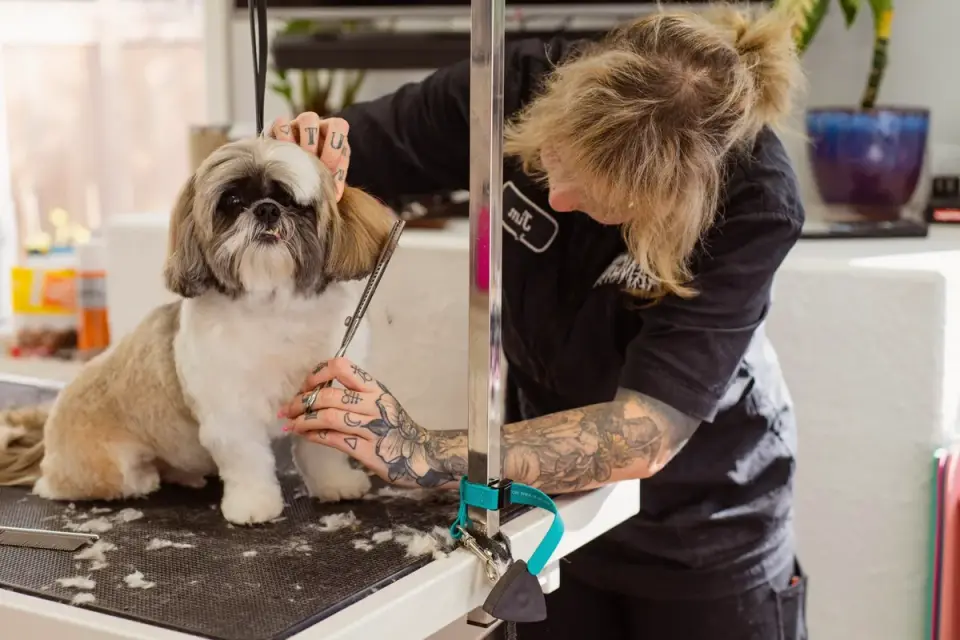
A groomer sees more dogs’ skin, ears, and nails in a week than most owners see in a year. That volume matters. Groomers can flag an ear infection starting under the fur, a mat hiding a hot spot, or nails that have already started reshaping how a dog stands. The What to Ask Potential Groomers Before You Hand Them Your Dog guide notes that professional groomers, handlers, and some vet techs are specifically trained to recognize these early signs — which is part of what you’re paying for, not just a trim.
Credentialing exists for a reason here too. The National Dog Groomers Association of America runs certification programs, including a Professional Grooming Credential built around the AKC’s national core education standards for safety and technique. A certified groomer isn’t guaranteed to be great, but the credential at least means they’ve been tested on more than styling.
Where home grooming genuinely holds its own
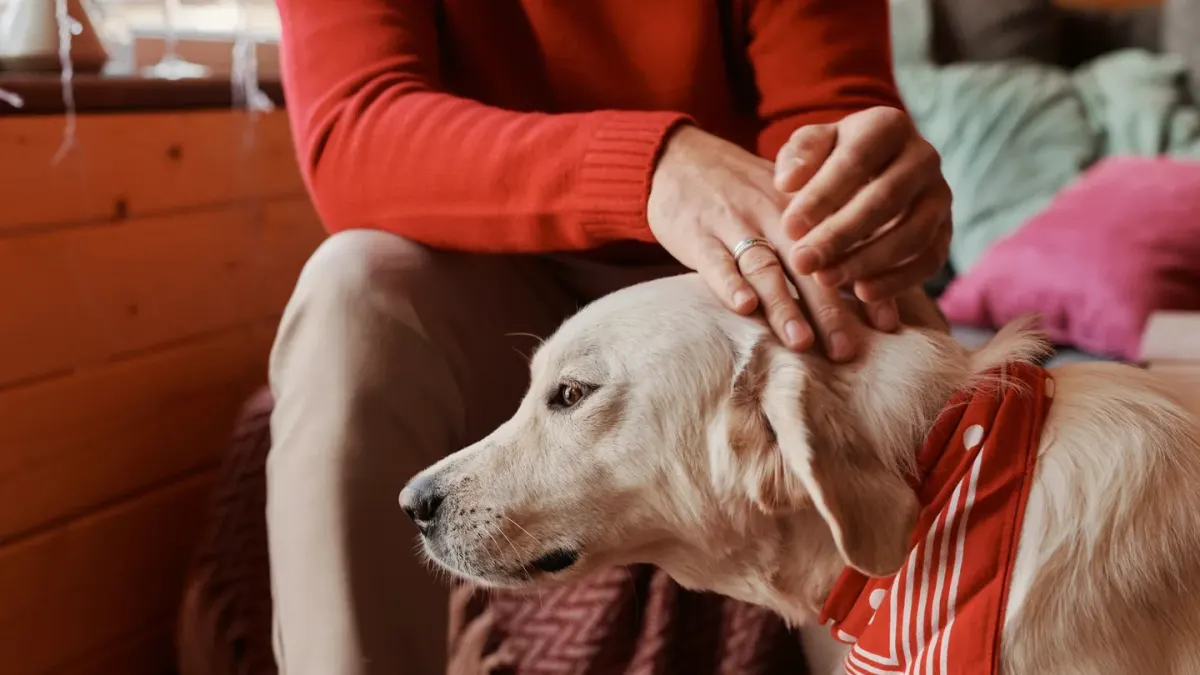
Brushing a smooth or short double coat a few times a week, wiping paws after walks, checking ears for odor, and light spot-baths are all tasks most owners can do safely with a bit of practice and the right tool for the coat. This is also where you build the habit of handling your dog’s feet, ears, and mouth calmly — which pays off the day you actually need a vet or groomer to do something more invasive.
One of the dogs I worked with, a nine-year-old Cocker Spaniel named Biscuit, came in because his owner noticed he’d started licking one back paw obsessively over about two weeks. She hadn’t been checking between his toes during their weekly home brushing sessions — understandable, since that coat hides a lot. What we found was a small mat pulling tight against the skin, not visible unless you parted the fur and looked. Nothing dramatic, but it was the kind of thing a professional groomer’s hands would have caught in thirty seconds during a routine trim. We talked about splitting the job: she’d keep doing the weekly brush-outs at home, since that habit was genuinely good for Biscuit and for their relationship, but she added a groomer visit every six weeks specifically for the paw and ear check she wasn’t equipped to do thoroughly herself.
If you’re deciding what home tools are actually worth buying, our guide to choosing a slicker brush vs undercoat rake breaks down which one matches your dog’s coat, and how often to bathe a dog covers the schedule question separately from the skill question.
The tasks I’d hand off, no exceptions
Nail trims are the one I push hardest on. A quick or a bleeding nail from a bad cut isn’t just painful in the moment — it can make a dog head-shy about paw handling for months. If you’re not confident, that’s a job for a groomer or vet, full stop, and our breakdown of how often to trim a dog’s nails explains why the interval matters as much as the tool. The same goes for de-matting anything past the surface layer — pulling or cutting out a deep mat close to skin risks cutting the dog, not just the fur, and it’s a different skill than routine brushing. If your dog blows coat seasonally, our guide on grooming a German Shepherd through coat blow shows how much daily home work that actually takes before a mat becomes a problem in the first place.
Nervous or reactive dogs are their own category. A skittish dog restrained clumsily during a home nail trim can develop a fear response that follows it into every future vet and groomer visit. That’s not a risk worth taking to save an appointment fee.
What I’d actually tell you to do
Here’s where I land, and I’ll say it plainly: build a home routine for brushing, ear checks, and light bathing, and book a professional for nail trims, de-matting, and anything breed-specific until you’ve genuinely watched it done well enough times to trust your own hands. That’s not a hedge — it’s the split that keeps most dogs comfortable and most owners out of the exam room for avoidable injuries.
Toward the end of Biscuit’s visit, his owner asked me the question I hear most: “So am I doing enough at home, or not?” I told her what I tell most owners — the brushing was doing real work, she just needed a second set of trained eyes on the parts she couldn’t fully see herself. That’s the actual answer for most dogs, not a verdict on whether home grooming is worth it.
So which tasks on your dog’s grooming list are you confident handling yourself, and which ones have you been putting off because you’re not sure?
Frequently asked questions
Can I do everything myself and skip the groomer entirely?
For some dogs with easy-care short coats, yes — routine brushing and occasional home baths may be all they need. Double-coated, curly-coated, or mat-prone dogs usually need a professional for de-matting and clipping regardless of how diligent home care is.
How do I know if a groomer is actually qualified?
Ask about training and certification. Credentials like those from the National Dog Groomers Association of America signal tested skills in safety and technique, not just styling experience.
Sources
- How to Groom a Dog at Home — American Kennel Club
- What to Ask Potential Groomers Before You Hand Them Your Dog — American Kennel Club
- About NDGAA — National Dog Groomers Association of America