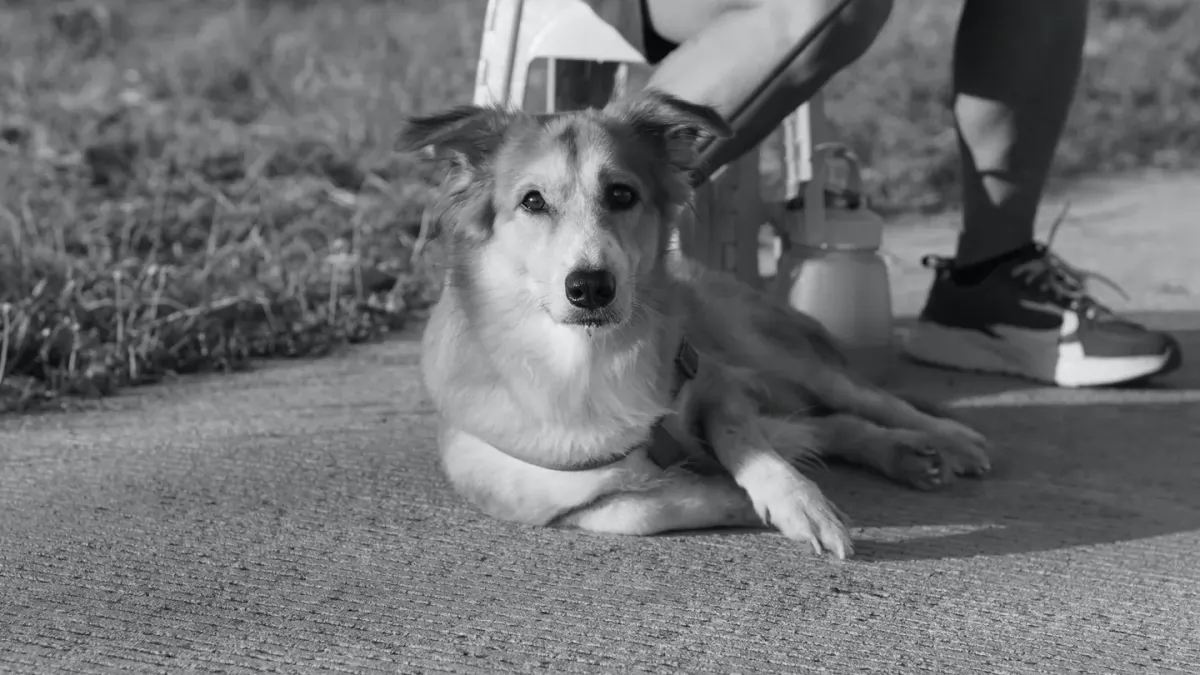
Four on the floor method works when calm feet earn attention, not when jumping earns a scold. Expectation first: your dog is not being rude, your dog is running a strategy that used to work.
I counsel owners to pick a lane before the doorbell rings. Will you pay for four paws on the floor every single time, or will you keep mixing in the occasional excited hello that keeps jumping alive? Dogs repeat what gets attention, and mixed rules create persistent jumpers.
A lanky adolescent Lab mix comes to mind, all elbows and enthusiasm at eight months old and already 62 pounds. His family loved his happy greetings until he started knocking over their grade-school kids in the entryway. We counted it out together: in one weeknight stretch of 20 minutes, he launched up nine times and got touched, laughed at, or pushed away eight of those times. From his side of the leash, jumping paid almost every time. We agreed on one house rule for the next two weeks — feet on the floor earns the hellos, feet in the air earns a calm turn-away — and started logging every doorway rep like training sets.
Run this checklist before your next greeting
- Feet rule: all four paws on the floor is the only behavior that unlocks petting, talking, and treats.
- People script: arms still, voice low, turn slightly away when paws lift.
- Setup: leash, gate, or helper so you can prevent rehearsal, not just react to it.
- Pay rate: reward in the first one to two seconds of calm, at floor level.
- Exit plan: if excitement spikes, add distance and reset rather than repeating cues.
In practice, that checklist is the whole method. The AVSAB position on humane training supports this reward-based direction, emphasizing reinforcement over confrontation for behavior change. Four on the floor is simply differential reinforcement of an incompatible behavior: a dog cannot stand with all feet grounded and jump at the same time.
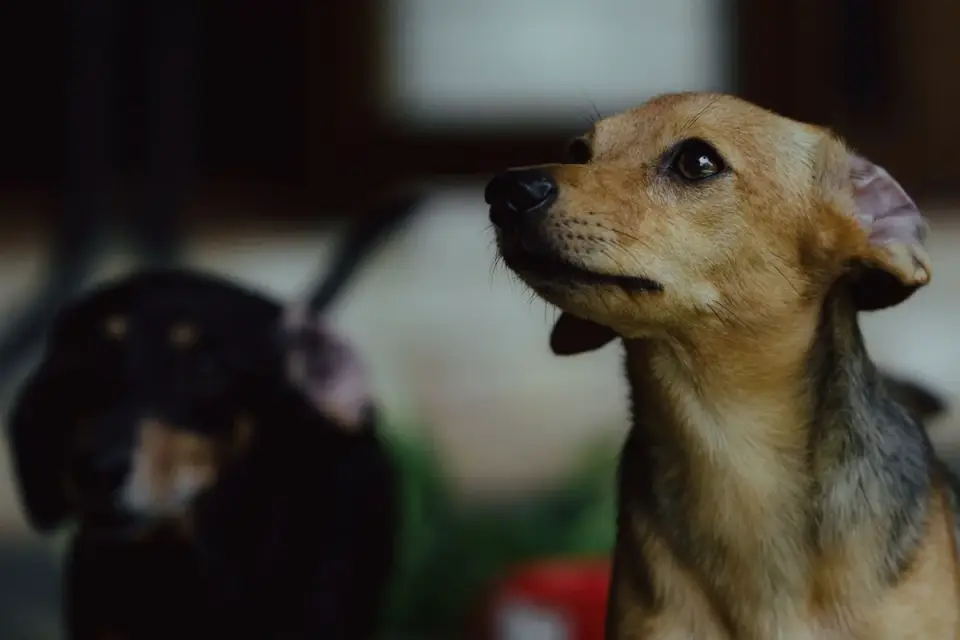
Pay the floor, starve the jump
Start in a boring room, not at the front door. Stand quietly with treats in a pouch. The instant all four feet are down and the dog pauses, mark with a calm “yes” and deliver the treat low, near the floorboards. Feeding low matters because feeding from your chest or face pulls dogs upward.
Keep sessions short. Five to ten reps, then a sniff break. When the dog offers standing calmly without being asked, pay it well. That volunteered stillness is the behavior you want to keep.
This is where many owners unintentionally train the opposite chain. They say “off,” “down,” “no jump,” all while looking, touching, and talking. For a social dog, that is payment. The ASPCA guidance on jumping makes the same point: withhold attention for jumping and reward four on the floor, with consistency across everyone in the home.
If you need mechanics help, review How to Use a Training Treat Pouch Effectively so your reward lands fast enough to mean something.
When being consistent felt worse before it worked
The second week is where this plan usually wobbles. One family I coached ran 14 controlled doorway reps over four evenings, and reps 8 through 11 looked worse — higher jumps, whining, paw swats at hands. That burst is normal when an old strategy stops paying. They had been told to knee the dog or grab paws in the past, and dropping those habits felt like doing nothing.
We changed only two details. First, the greeter turned sideways and went silent the moment paws left the floor, no eye contact, no “off.” Second, we paid the reset: the second all four feet hit, even for a heartbeat, the helper marked and fed at floor level. By rep 14 the dog started checking the floor instead of launching, offering a stand to solicit petting. It was not perfect obedience. It was a new bet forming.
Calm is fragile at first.
For puppies cycling through mouthing and jumping together, pairing this work with A Puppy Potty-Training Schedule That Works helps because a rested, recently pottied puppy can actually think during greetings.
Why I still choose this over kneeing, yelling, or leash pops
My preventive bias is plain: I want low-stress handling that keeps the baseline behavior stable over months. Confrontation may interrupt one jump, yet it often adds arousal or anxiety to the next arrival. Rewarding settled feet may help support calmer greetings without that fallout, and it gives kids and guests a script they can follow safely.
The tradeoff is honest. Four on the floor is slower on day one than startling a dog. Where correction wins is speed of interruption. Where it stops winning is reliability when you are not there to enforce it, plus risk to trust. A dog who is suppressed around you may still launch on visitors.
The visitor at the door changes everything
Textbook setups fail at real doorbells because distance, novelty, and motion stack. Here is where the usual advice has to bend.
I think of a compact terrier mix in a narrow apartment hallway, where the front door opened directly onto a six-foot walkway. No room to turn away, no way to ignore a launch. We stopped practicing at the door entirely for ten days and worked at ten feet of distance in the courtyard instead, where the dog could succeed. The owner tossed treats into a floor mat to build a default head-down pattern, then added one knock sound at a time, then one guest stepping one pace closer. Management did the heavy lifting inside: baby gate across the entry, leash clipped before the door opened, guest instructed to toss a treat behind the dog rather than reach forward.
That distance-first approach reflects standard puppy and adolescent training foundations described by VCA Hospitals, which emphasize short, rewarded repetitions and management to prevent unwanted rehearsal. If your dog cannot think within ten feet of guests, train at twelve feet until they can.
For hallway greetings and sidewalk hellos, a long-line management plan from Long Line vs Retractable Leash for Training: Which One Actually Builds a Reliable Dog? can give you distance without giving you a pulling contest.
Troubleshooting without breaking the rule
Jumping only on kids or one favorite person
That person is the highest-value slot machine. Have them become the most boring greeter for two weeks — no high voice, no overhead hands — and the richest payer for floor behavior.
Sitting offered, then popping right back up
Pay the sit longer with two or three treats in a row at floor level, then release before the dog breaks. You are building duration, not testing it.
Mouthing paired with jumping
End the rep. Step behind a gate for five seconds, return quietly, and cue one simple incompatible behavior. If arousal stays high, the dog needs distance, a chew break, or sleep, not more reps. Beginners often stack too many cues here, a pattern covered in Common Dog Training Mistakes Beginners Make.
My recommendation is steady: make four on the floor the house law for two weeks, manage the doorway so jumping cannot pay, and reward calm feet fast and low. Expect an extinction burst around days 4 to 7, then shorter, softer greetings if everyone holds the line.
Frequently asked questions
How long does four on the floor take to stop jumping?
Many dogs offer calmer greetings within 1-2 weeks of consistent practice, with full reliability around novel guests taking longer. Consistency across all people matters more than total reps.
Should I say "off" or "down" when my dog jumps?
Skip repeating cues during the jump. Go still and quiet, then mark and reward the moment all four feet return to the floor. Teach sit or stand separately in calm sessions.
Sources
- Position Statements — AVSAB
- Puppy Behavior and Training: Training Basics — VCA Hospitals