Too little movement shows up in weight, sleep, and manners before it shows up in fitness.
On this page
Restlessness at night with weight creeping up usually means the activity budget is short, not that the dog is misbehaving. Energy intake and energy output have to balance, and when output falls, the surplus lands in fat stores and in undisciplined behavior during the evening.
The fork I want owners to use is straightforward: is this a conditioning problem or a medical problem. A healthy but under-exercised dog gains weight gradually, sleeps poorly, and invents jobs like pacing, barking, chewing, or mugging the leash. A dog with pain, cardiac disease, respiratory disease, or an orthopedic injury tires quickly, lags, coughs, limps, or refuses movement it once enjoyed. Conditioning responds to a graded plan. Pain and disease need an exam first.
When evening chaos means an empty tank
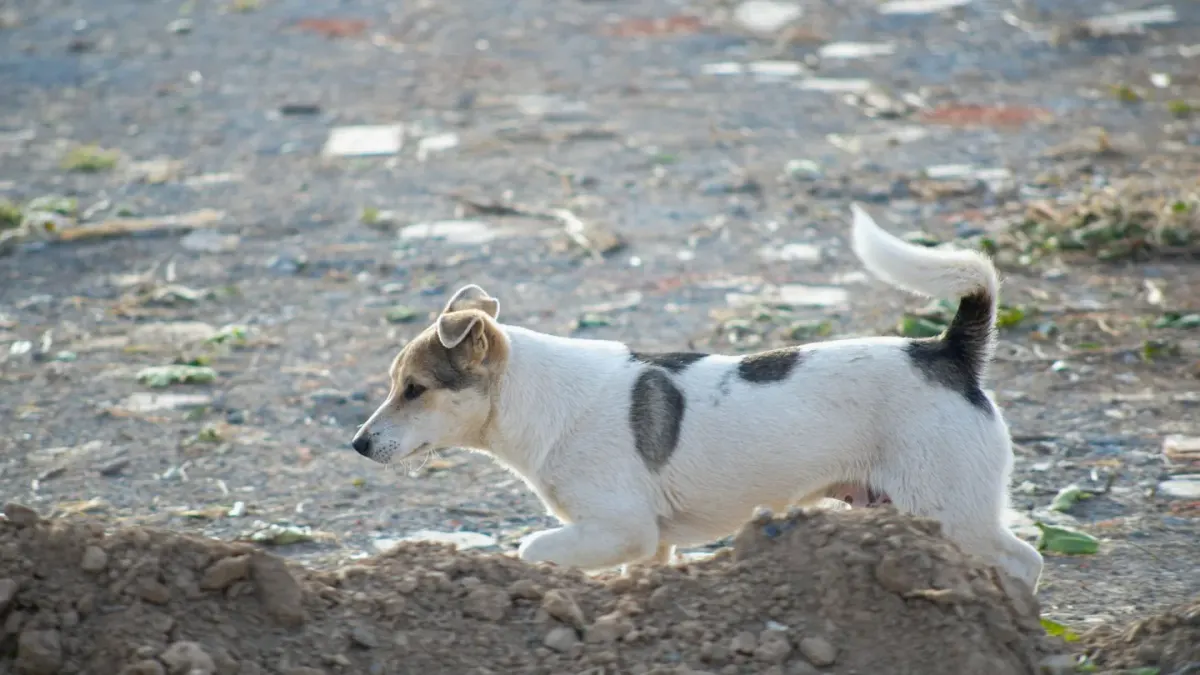
Randy in New Orleans noticed the pattern with Zuni, his 5-year-old spayed female Rat Terrier. Days with only two ten-minute potty walks ended with forty minutes of circling the coffee table, barking at hallway noise, and shredding a toy. Days with a twenty-minute sniff walk plus three five-minute fetch and training blocks in the courtyard left her settled by nine. The breed did not change. The output did.
That contrast is diagnostic. Under-exercised dogs often look wired rather than tired: difficulty settling, demand barking, jumping, mouthiness, destructive chewing, and frantic greetings. The American Kennel Club notes that exercise needs vary by age, breed, and health, with high-energy sporting and working types needing substantially more than a short stroll, which explains why the same walk schedule works for one household and fails in another.
Physiology explains the behavior. Skeletal muscle stores only limited glycogen, and daily moderate activity improves insulin sensitivity, preserves lean mass, and regulates appetite and sleep-wake cycling. Without regular contraction, resting energy expenditure stays low while appetite often stays high, so body condition drifts upward even when food looks unchanged.
Weight, muscle, and stamina tell the truth
Hands and eyes beat memory here. Feel ribs with light pressure: easily felt with a thin fat cover points toward ideal, while ribs buried under a pad or a disappearing waist from above points toward surplus. Look at muscle over the thighs and shoulders. A dog getting regular brisk movement keeps rounded, firm hindlimb muscle. A dog getting only ambles loses definition and tires on stairs or on the last third of a familiar route.
VCA Hospitals frames regular exercise as central to weight control, cardiovascular conditioning, and behavioral health, and advises building duration gradually rather than jumping to weekend-warrior outings.
Track three numbers for two weeks: resting body weight, daily active minutes, and sleep quality. Weigh on the same scale at the same time of day. Log brisk walks, trotting play, swimming, and training with movement, not time spent standing in the yard. Note settle time after dinner.
Progress looks like steadier weight, faster settle, and longer stamina at the same pace.
Rule out pain before adding miles
Do not push through lameness, coughing, heavy prolonged panting, pale gums, collapse, or next-day stiffness. Older dogs, brachycephalic breeds, dogs with cardiac disease, and dogs recovering from injury need veterinary clearance before intensity rises. In practice, vets often see owners mistake early arthritis for laziness: the dog hesitates on stairs, chooses carpet over hardwood, or sits out fetch after two throws.
A useful screen is the leash test. Walk a flat, familiar half-mile at a conversational pace. A merely deconditioned dog starts bouncy and fades late. A painful dog starts stiff, warms slightly, then shortens stride, lags, or asks to stop.

What enough actually looks like by type
There is no single minute target that fits every dog, which is why gear guides that print one number mislead. Use breed function and current fitness as starting points, then adjust by body condition and recovery.
Companion and brachycephalic breeds often do well with shorter, frequent bouts with rest built in. Sporting, herding, and terrier types usually need a mix of aerobic work and problem-solving: brisk walking or jogging for owners who run, plus retrieve, tug with rules, scent games, and training that requires movement. Seniors need consistency more than intensity, with traction, harness support, and softer surfaces doing much of the work.
For related tradeoffs, compare off-leash play versus on-leash walks and walking versus running. When stiffness or soreness limits options, mental and physical enrichment when your dog can’t exercise keeps the routine intact without adding joint load.
Where food and joint support fit, and where they do not
As a nutritionist I weigh what a supplement can realistically do for diet, mobility, and recovery. Added activity raises energy turnover and modestly raises demand for high-quality protein to maintain lean tissue, plus attention to total calories so increased treats during training do not erase the deficit. That dietary adjustment may help support conditioning and recovery alongside the exercise itself.
Joint ingredients deserve narrower expectations. Glucosamine and chondroitin are widely used in canine joint products, and green-lipped mussel contains lipids and glycosaminoglycans studied for joint support, but none of these creates fitness, replaces movement, or corrects excess weight. I would change that position with randomized, long-term canine trials showing improved function or body composition from the ingredient alone under controlled exercise and diet. The current evidence does not show that, so I prioritize measured food, graded movement, and sleep over adding another chew.
Build the fix in layers. Hold food steady for two weeks while adding ten to fifteen minutes of brisk, purposeful movement per day, split into two bouts. Add one enrichment session that makes the dog move and think. Reweigh and reassess settle and stamina. Only then decide whether gear changes — a well-fitted harness, a longer line for decompression walks, or a flirt pole with rules — would improve fit, durability, comfort, or value in daily use.
If weight keeps climbing despite honest logging, or stamina keeps falling despite gradual work, stop progressing and get an exam with thyroid, cardiac, and orthopedic screening as indicated. Conditioning should improve in two to four weeks. Silence from the scale is information.
For related context, read Mental and Physical Enrichment When Your Dog Can’t Exercise (Vet-Guided).
For related context, read Off-Leash Play vs On-Leash Walks: Which Actually Exercises Your Dog Better.
Sources
- Exercise for Dogs — VCA Hospitals