
On this page
Keep a dog on rest happy without exercise using scent games, food puzzles, and calm training reps. That’s the whole strategy in one line — the harder part is executing it for the weeks a healing tendon, disc, or joint actually needs.
Why the restriction exists in the first place
Activity restriction isn’t an arbitrary inconvenience. Post-surgical and orthopedic recovery plans built around therapeutic rehabilitation call for a real restraint period before controlled movement resumes, because early loading of a healing joint or incision can undo weeks of surgical work. The American Animal Hospital Association frames physical rehabilitation and pain management as parallel tracks in recovery — the goal is restoring strength and function on a timeline the tissue can tolerate, not on the dog’s own schedule. That’s a useful reframe when a normally active dog is staring at you from a crate: the boredom is temporary, and it’s buying something real.
Make every meal a job
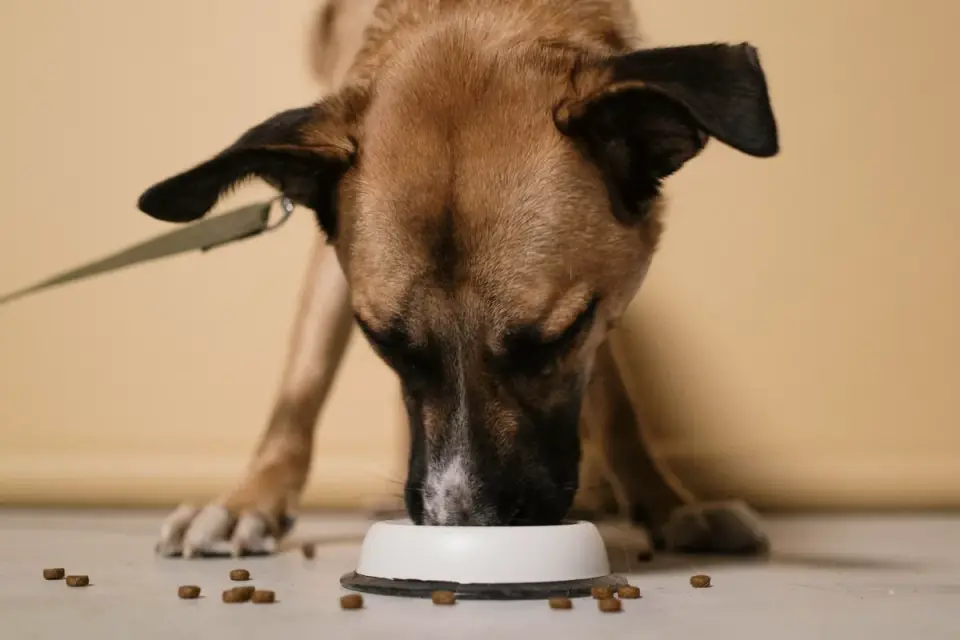
The single highest-value swap you can make is delivering food differently. Instead of a bowl, use a stationary puzzle feeder, a licking mat, or a snuffle mat — a textured fabric pad where kibble or treats get tucked into folds so the dog has to sniff them out. According to the American Kennel Club, snuffle mats tap into a dog’s natural foraging instinct and can occupy and tire a dog mentally in just a few minutes of sniffing, which is exactly the kind of low-motion output a recovering dog can spare. Rotate two or three feeding formats through the week so the novelty doesn’t wear thin, and always supervise a known chewer — fabric and rubber pieces are a genuine ingestion risk if a mat or toy starts coming apart.
A five-minute sniff session before a nap does more for a bored dog than another round of treats handed out for nothing.
Low-motion training fills the rest of the gap
Nose-to-hand targeting, “look at me,” chin rests, and settle-on-a-mat cues are all trainable from a stationary or barely-moving position, and they give a dog a job that isn’t physical. Short, frequent sessions — three or four minutes, several times a day — beat one long session, both because attention spans are shorter than we assume and because it keeps the dog engaged across more of the day rather than in one burst. Shaping new tricks this way also gives an owner something proactive to do besides worry, which matters for the human side of a long recovery.
Supporting joints and comfort through the healing window
Some dogs on restriction are healing a joint directly, and it’s fair to ask whether nutrition can help alongside whatever your vet has already prescribed. Glucosamine and chondroitin are among the most studied joint-support ingredients for dogs, and the evidence base for each targets a slightly different mechanism. Chondroitin has been studied for its role in supporting healthy synovial fluid homeostasis — the lubricating fluid that keeps a joint moving smoothly — per research indexed in Frontiers in Veterinary Science. Glucosamine hydrochloride, in laboratory work summarized in the Journal of Veterinary Medical Science, has been shown to help prevent experimentally induced cartilage degradation in vitro, which is one reason it’s paired so often with chondroitin in joint formulas. Green-lipped mussel powder has its own separate research thread: in a rodent model published in Nutrients, mussel-derived compounds alleviated paw swelling and lowered several inflammatory markers, including TNF-α and IL-17. None of that is a substitute for whatever your surgeon or rehab vet has already prescribed, and it’s worth weighing what a supplement can realistically do for a dog’s diet, mobility, and recovery rather than treating it as a fix on its own — bring any addition to your vet before you start it, especially if the dog is already on prescription pain management.
Set up the environment, not just the activities
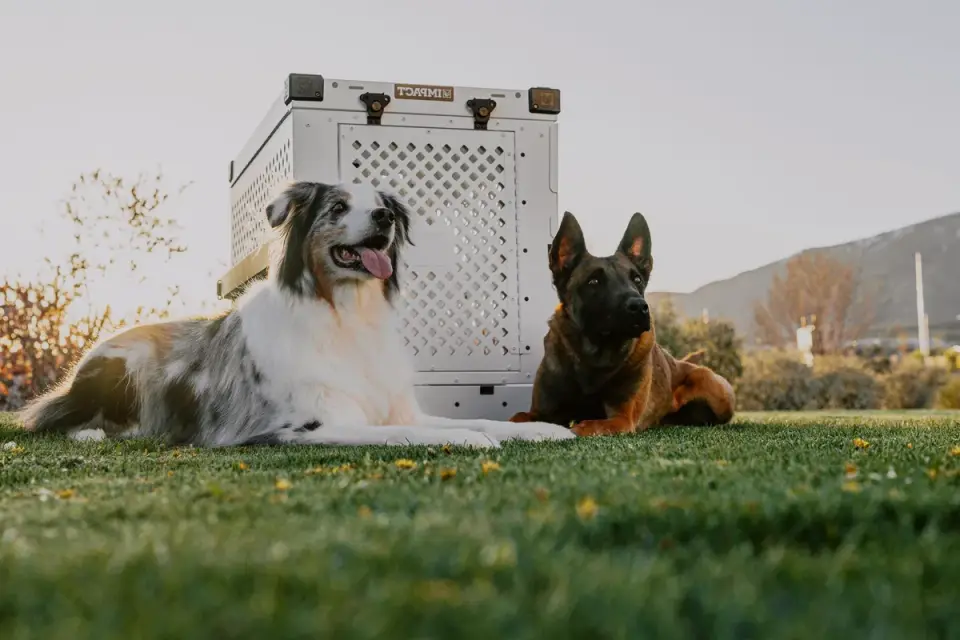
Footing matters more than most owners expect. Hardwood and tile floors are slick enough that a dog recovering from a cruciate repair or a disc injury can slip and re-injure the same area standing still, let alone walking to the water bowl. Runners, yoga mats, or interlocking foam tiles across the dog’s regular path — crate to door, crate to water — cut that risk substantially. The Preventive Vet team, which works through crate-rest cases regularly, also recommends keeping the routine itself predictable: same wake time, same meal-puzzle schedule, same short supervised bathroom breaks on a leash. Predictability lowers a dog’s baseline arousal, which in turn lowers the odds of a frustrated lunge or jump that undoes the restriction.
When to loop your vet back in
A certain amount of whining and restlessness is normal, especially in dogs used to daily runs or long walks. What isn’t normal is restlessness that doesn’t ease at all with more enrichment, new swelling around a surgical site, a limp that’s worse instead of better, or a dog that stops eating even from a puzzle feeder. Any of those is worth a call rather than a wait-and-see — activity restriction only works if the underlying healing is actually progressing on schedule, and a vet recheck is the only way to confirm that.
Frequently asked questions
How long does a dog usually need activity restriction after surgery?
Timelines vary by procedure, but many orthopedic recoveries call for several weeks of strict restriction before controlled exercise resumes — always follow the specific plan your surgeon or rehab vet gives you rather than a generic timeline.
Can I still use puzzle feeders if my dog is on crate rest?
Yes — stationary puzzle feeders and snuffle mats are ideal because they let a dog work for food through sniffing and problem-solving without the running, jumping, or twisting that restriction is meant to prevent.
Are joint supplements worth starting during recovery?
Some ingredients like glucosamine and chondroitin are among the most studied joint-support options for dogs, but any supplement decision during a healing period should go through your treating veterinarian first.
My dog seems miserable and restless on rest — is that normal?
Some frustration is common, especially in active dogs, but pacing, panting, or destructive chewing that doesn't settle with more mental enrichment is worth a call to your vet to rule out pain or an under-managed condition.
Sources
- Snuffle Mats for Dogs: Keep Their Brains Active — American Kennel Club
- How to Survive Crate Rest with an Energetic Dog — Preventive Vet
- 2022 AAHA Pain Management Guidelines for Dogs and Cats — American Animal Hospital Association
- Chondroitin sulfate and synovial fluid homeostasis in joint disease — Frontiers in Veterinary Science
- Effects of glucosamine hydrochloride on cartilage degradation — Journal of Veterinary Medical Science
- Green-lipped mussel extracts and inflammatory joint markers — Nutrients