On this page
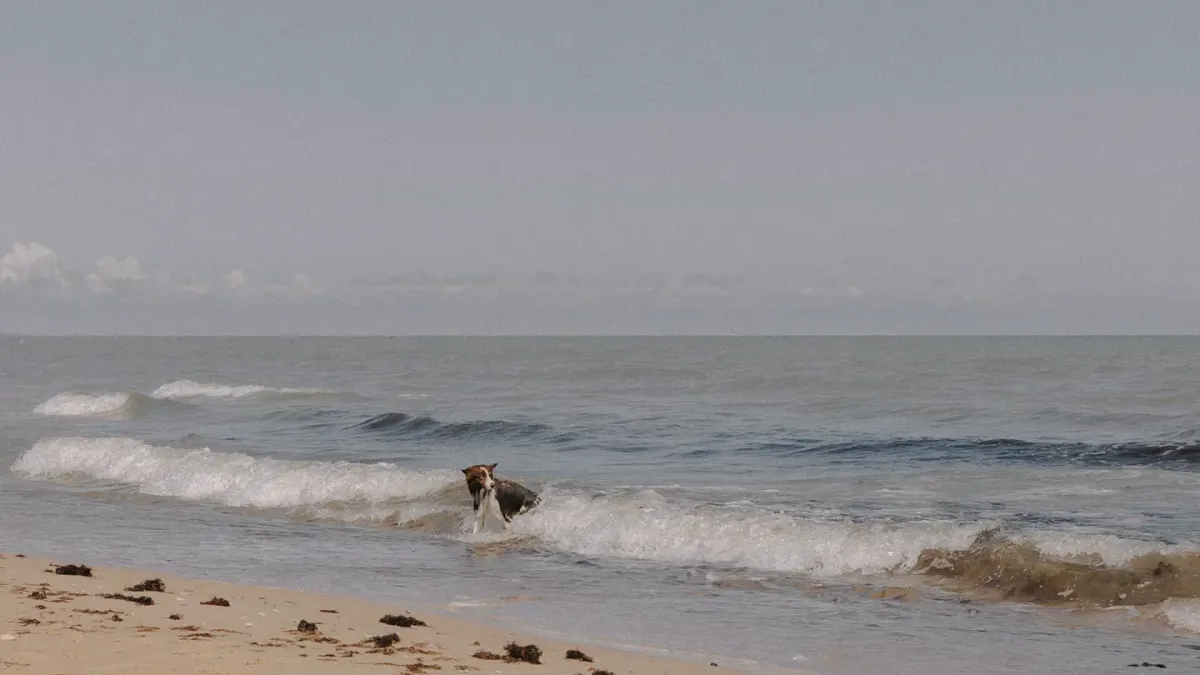
Here’s the fork most owners hit somewhere around the second hour of a beach trip: your dog is thrilled, the waves keep coming, and every third or fourth wave gets a mouthful along with the play. Is that a problem, or is it just what dogs do at the beach?
Quick checklist before you worry:
- Fresh water bowl within reach at all times, refilled every 20–30 minutes
- Breaks every 15–20 minutes to pull your dog off the shoreline and rest in shade
- Watch for a dog that’s biting at waves specifically to drink, not just play
- Note any vomiting, unusual thirst, or wobbliness in the hours after swimming
- Know your closest emergency vet before you need one, not after
Most of that list is prevention. The rest is what I’d want a client watching for once the trip is over.
In my practice I’ve seen this play out with a 60-pound Labrador mix named Otis, three years old, whose owners noticed nothing wrong at the beach itself. He’d spent about ninety minutes charging into the surf and snapping at waves, the kind of face-first, open-mouth play that pulls in real volume of water with every pass. He seemed fine on the drive home. Around four hours later he vomited twice, then a third time, and by the time they called me he was unsteady on the stairs and reluctant to eat, which was completely out of character for a dog who inhaled his dinner every night. That gap between the beach and the symptoms is the part owners underestimate most; salt water poisoning rarely announces itself in the moment.
Why gulping ocean water is different from a normal drink
A dog lapping a few mouthfuls from the surf while swimming isn’t the same event as a dog that treats the ocean like a water bowl. According to the Merck Veterinary Manual, salt toxicosis develops when sodium intake overwhelms the body’s ability to manage it, and the resulting shift pulls water out of cells, including in the brain. Whether that becomes dangerous depends heavily on how much salt water goes in relative to the dog’s size, hydration status, and access to fresh water, which is exactly why the checklist above leans so hard on frequent fresh-water breaks rather than trying to police every wave.
The signs that separate an upset stomach from an emergency
Early salt water exposure tends to look unremarkable: a loose stool, one bout of vomiting, a dog that seems a little more tired than usual on the walk back to the car, as the American Kennel Club describes it. That’s worth watching, not panicking over, and offering small amounts of fresh water is reasonable. What changes the calculus is repeated vomiting, tremors, disorientation, or anything resembling a seizure — those signs point toward the sodium shift reaching the brain, and they warrant an emergency vet visit rather than a wait-and-see approach at home.
Why you shouldn’t try to fix this at home
There’s no home antidote for salt toxicosis, and that’s not a hedge — it’s the actual clinical picture. Treatment in a veterinary setting centers on carefully rehydrating the patient and correcting sodium levels slowly, because dropping sodium too fast can cause its own neurological damage. That’s a controlled IV fluid process, not something a garden hose and a worried owner can replicate. If your dog shows more than mild, single-episode symptoms after a beach day, the right move is a phone call to a vet, not a wait-it-out approach. I’d rather field an unnecessary call from a cautious owner than see a dog arrive already tremoring.
What actually works to prevent it
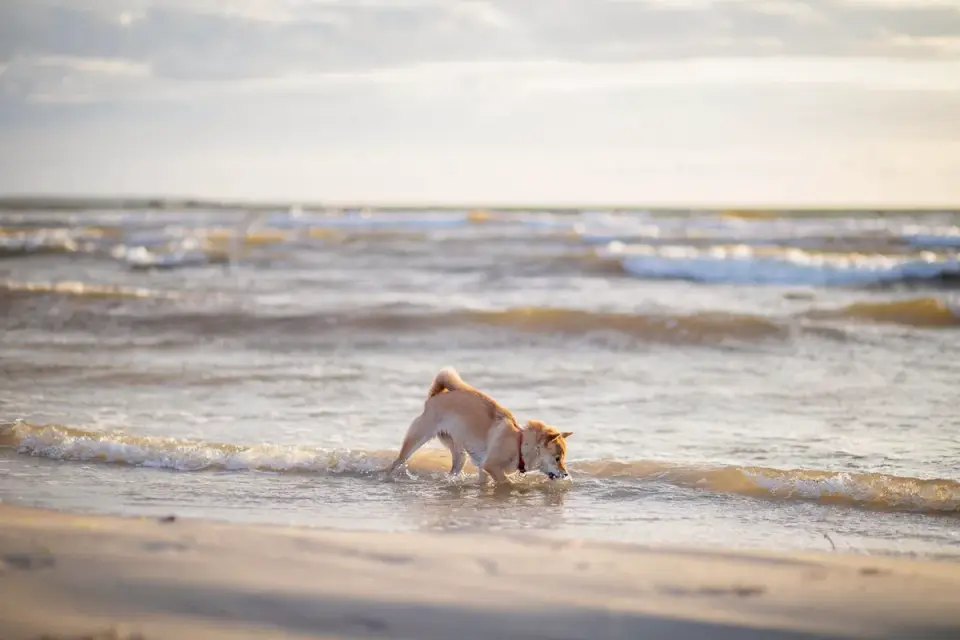
Ground an integrative claim in the nutritional evidence for a moment: the dogs I see get into trouble at the beach are rarely dehydrated dogs seeking out salt water out of thirst — they’re playing dogs who happen to swallow a lot of it incidentally while lunging at waves or retrieving a ball through the surf. That means prevention is less about restricting access to the ocean and more about managing the play pattern and keeping fresh water genuinely competitive with the salt water in front of them. A dog offered fresh water every 15 to 20 minutes, pulled into shade for a rest, and given a job other than continuous wave-chasing is a dog far less likely to self-administer a dangerous dose. Owners who are also managing swim safety more broadly might find it useful to read our guide on ocean, lake, and pool swimming, since the same supervision habits apply across settings, and our piece on whether all dogs are natural swimmers covers the stamina side of long beach sessions.
I think back to Otis fairly often, because his case resolved well — IV fluids, overnight monitoring, and he went home the next afternoon eating normally. But it’s a case, not a guarantee, and I don’t offer it as evidence of anything beyond what one dog’s outcome looked like with prompt treatment. What it changed for his owners was simple: they now bring a collapsible bowl and refill it obsessively, and they’ve shortened his wave-chasing sessions to about 15 minutes at a stretch. That’s a low-cost habit change for a real reduction in risk.
Building the habit into your beach routine
If your dog gets bored easily between swim sessions, redirecting that energy on dry sand — fetch, tug, a sniff break in the dunes — does double duty: it limits continuous wave exposure and it’s a reasonable stand-in for the mental exercise a long car ride to the coast doesn’t provide. For dogs who get anxious or overexcited around new environments generally, the same groundwork that stops puppy mouthing and biting — teaching impulse control before arousal spikes — tends to produce a calmer, less frantic wave-chaser at the shoreline too.
The recommendation
Bring more fresh water than you think you need, take breaks on a timer rather than waiting for your dog to ask, and treat any vomiting or disorientation that shows up in the hours after a beach trip as a reason to call your vet, not a reason to wait until morning. That’s a low-effort routine that handles the overwhelming majority of beach days safely, and it’s exactly what I’d tell a client standing on the sand right now.
Frequently asked questions
How much salt water is actually dangerous for a dog to drink?
There's no single safe number because it depends on the dog's size, hydration, and how much fresh water they've had access to; a hydrated dog taking a few incidental mouthfuls while swimming is a very different situation than a dehydrated dog gulping repeatedly with no fresh water nearby.
Can I treat mild salt water symptoms at home?
A single bout of vomiting or mild loose stool with an otherwise alert, active dog can often be watched with small offerings of fresh water, but repeated vomiting, tremors, or disorientation need a veterinary visit — there's no home treatment for salt toxicosis itself.
How soon after drinking salt water do symptoms show up?
Signs can appear within a few hours, and in some cases owners report their dog seeming fine on the drive home before symptoms develop later that same day, which is why it's worth watching a dog for the rest of the evening after heavy beach play.
Sources
- Salt Toxicosis in Animals — Merck Veterinary Manual
- Is It Dangerous for Dogs to Drink Salt Water? — American Kennel Club