On this page
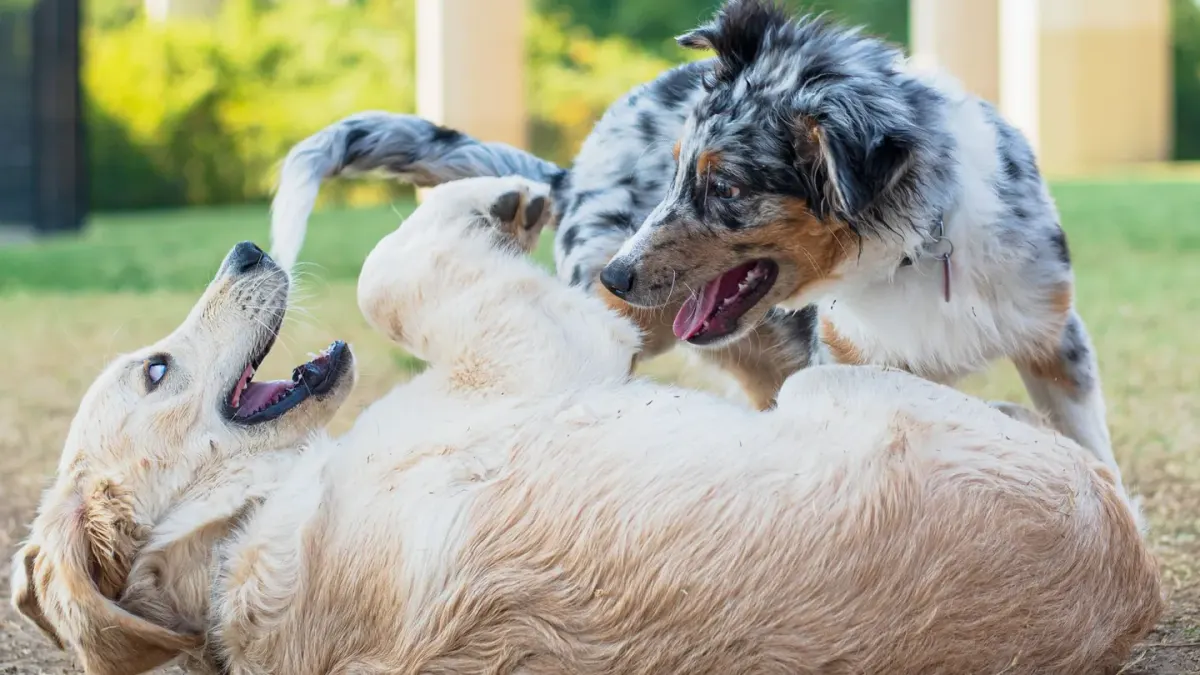
Sunday at 9 a.m., the parking lot at the county park fills fast. On one side, a 2-year-old, 48-pound mixed-breed pulls toward a cluster of 14 off-leash dogs, tail high, mouth open, ready to run. On the other side, her owner holds the leash a little tighter, wondering if this hour will build fitness and manners or undo three months of loose-leash work in 20 minutes. That fork — join the pack or keep your solo route — is the right place to start, because meetup groups are not one product with one outcome.
I evaluate them the way I evaluate gear: fit, durability of the routine, comfort for the dog in front of you, and value for time. A well-run breed walk or small playgroup can add aerobic work and social exposure that is hard to replicate alone. A loose, oversized free-for-all can add arousal, bad habits, and soft-tissue risk. The American Veterinary Society of Animal Behavior emphasizes early, positive social exposure as foundational for behavior, and adult meetups work best when they extend that same principle — controlled novelty with choice — rather than flooding.
Join the pack walk or keep the solo route?
Start with your dog, not the flyer. Ask four criteria questions. Temperament fit: does your dog seek dogs out and recover within seconds after a startle or a body slam? Size and play style match: are most attendees within 15 pounds of your dog and playing the same game — chase, wrestle, sniff? Handler rules: leashes on entry, vaccination required, under 10 dogs per acre, one clear interrupter? Exit plan: can you leave in two minutes without crossing the scrum?
That first Sunday group checked three boxes. Fourteen dogs were too many, but the organizer split them after 10 minutes into runners and sniffers. The 48-pound mixer logged almost continuous trot for 35 minutes, drank twice, then chose shade on her own. Her owner tracked resting panting that night at 28 breaths per minute, back to her normal 22 by morning, with no stiffness on stairs. That recovery marker matters more than how tired she looked in the car.
For conditioning context, owners often underestimate how much sniffing and wrestling count as work. I point clients to my notes on mental exercise versus physical exercise before they add a second weekly group.
What holds up when 12 dogs share one field
Good structure holds up. Poor structure does not.
I score groups on durability. Do rules survive when new people arrive late? Is there water, shade, double gates, and a host who actually pauses play? Does arousal stay in a working range where dogs still respond to a name call in under five seconds? In testing terms, fit means your dog can disengage. Comfort means loose bodies, play bows, role reversals. Value means you get 40 to 60 minutes of movement plus training reps without spending the next two days fixing jumping, fence-running, or leash reactivity.
The Merck Veterinary Manual describes normal canine greeting and play signals that help owners read that fit in real time, and I encourage owners to learn three: look-away, shake-off, and consent pause.
Shortcomings show fast. No vaccine check. No small-dog separation. Balls thrown into a crush. Owners on phones while dogs pin a newcomer at the gate.
The tradeoff gets concrete in the second kind of morning. A 5-year-old, 68-pound Labrador with early hip stiffness joined a Saturday wrestle group of nine large adolescents because the owner wanted more exercise for weight control. For three sessions it looked fun. By week four the pattern broke. The Lab started hanging by the bench after 12 minutes, sat out two of six play bouts, then needed help rising into the SUV that evening. Over the next 10 days he skipped his usual 0.7-mile evening loop twice and lagged on stairs. More group time was adding impact his joints could not absorb, while crowding out the steady walks that actually supported weight loss.
That is a common failure mode.
Food, joints, and recovery: what a meetup can realistically support
I weigh what a supplement can realistically do for diet, mobility, and recovery here, because owners often ask if they should add something to keep up with group play.
A meetup does not fix a diet. It burns calories and builds social fitness. Food therapy still does the heavy lifting for body condition: measured meals, lean protein to preserve muscle, omega-3s from fish oil to may help support joint comfort as part of a balanced plan, and joint-support nutrients where the evidence is reasonable. None of that makes cartilage regrow or lets a sore dog safely wrestle adolescents twice a week.
Use nutrition to support the right workload, not to mask the wrong one. If your dog runs hard for an hour on Saturday, feed to condition, hydrate well, and plan Sunday as sniff-walk recovery rather than another sprint. If soreness lingers beyond 24 hours, cut group intensity before adding products.
Play style also shapes training carryover. Rough, uninterruptible play rehearses exactly what most owners do not want on leash. Structured groups that practice recalls, settle breaks, and polite greetings transfer better. That is why I often pair a playgroup with a game with rules, like tug-of-war done well.
When the usual advice has to bend
Some dogs need a different door in.
An 8-month-old, 32-pound herding mix from a farm road outside town had logged only four on-leash greetings in her life before her owner tried a 20-dog Sunday meetup. She froze at 30 yards from the gate, tucked tail, then barked and lunged at the first dog that rushed her. The standard advice — more exposure — would have flooded her. We bent it. For six weeks she attended only the last 15 minutes from outside the fence at 50 to 60 feet, practicing look-and-disengage for treats while the group played. Then she joined three-dog parallel walks on a 30-foot long line, no direct greeting for the first two sessions. By week seven she played loose for 18 minutes with two calm adults and recalled away on the second call.
Small, graded, and boring beats big and exciting for shy, reactive, senior, or post-injury dogs.
Worth comes down to this. Choose a small, hosted group with matched play, clear entry rules, and room to leave. Track recovery, not just smiles. Feed and rest to support the work. Skip the crowd when your dog is sore, fearful, intact and distracted, under-vaccinated, or unable to disengage.
If your dog seeks dogs, recovers fast, and comes home loose and thirsty but sound the next morning, keep the meetup. If not, spend that hour on a long-line sniff walk instead.
For related context, read Are All Dogs Natural Swimmers? What to Check Before the Water.
For related context, read How to Find Dog-Friendly Patios and Breweries (Without Guessing at the Door).
Sources
- Position Statements — American Veterinary Society of Animal Behavior