On this page
It’s pouring at 9 a.m. on Saturday, your dog is staring at the leash, and you’re weighing a short drive to the dog-friendly café against another morning on the couch. You’ll enjoy either choice more when you decide it on your dog’s mobility and appetite, not the weather.
Go for the café if your dog settles on a mat within a few minutes at home, walks without lagging on wet pavement, and can ignore dropped food. Stay in if stiffness lasts more than a few steps after a nap, if barking or panting ramps up in busy rooms, or if any vomiting or loose stool showed up in the last 24 hours. That fork saves you from carrying a damp, achy dog through a crowded doorway.
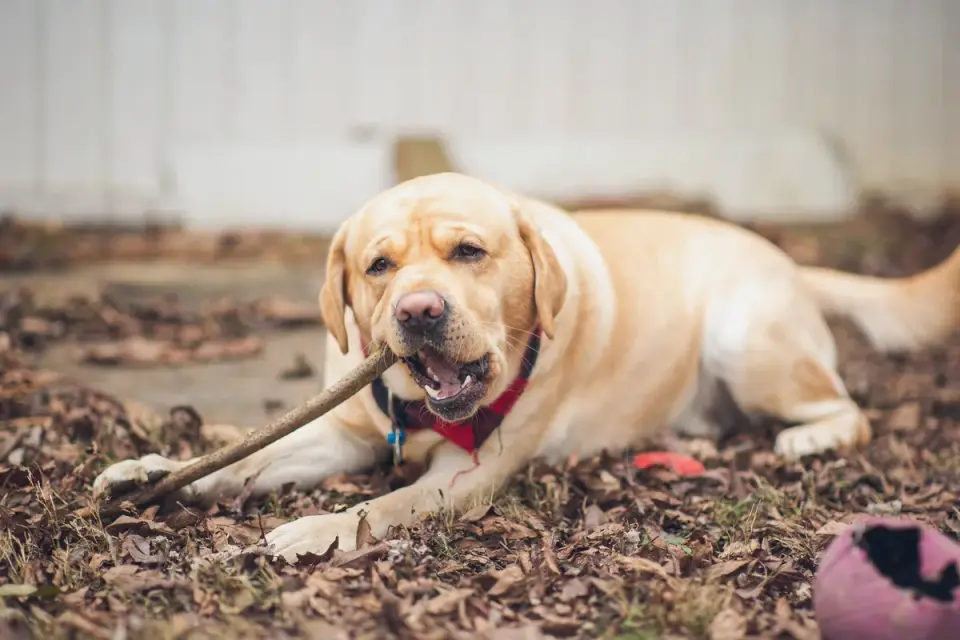
You notice the tradeoff most in older, heavier dogs. I followed up on a composite case I see a lot in rehab conversations, a 9-year-old Labrador-type around 68 pounds who still loves outings but rises slowly after naps. His owner wanted the Saturday café tradition to continue through November rain. We mapped it: breakfast at 7 a.m., a 10-minute on-leash toilet walk, then a corner table from 10 to 10 with a mat and chew, home by 11 for a long nap. The marker that changed was the sit-to-stand after the café, down from shuffling for almost a minute to rising in two tries, because food, footing, and rest were sequenced instead of stacked.
Go out or stay in? Make the call at the leash
Watch the first two minutes. A dog who shakes off the rain, walks at your pace, and checks in with you will usually settle under a café table. A dog who plants at the door, pulls toward every puddle, or needs coaxing down the three front steps is telling you the environment will cost more than it gives.
For this publication I score the choice the same way I score gear, on fit, comfort, and value. Fit means your dog’s size and manners suit a tight indoor space. Comfort means dry footing, room to lie down, and noise you can escape. Value means you both come home looser and calmer than you left. If any one of those fails at the door, the kitchen-table version wins.
Indoors still counts. Our guide to rainy-day activities lays out nose games and short training bursts that tire a dog without wet stairs, and it pairs well with a later café attempt.
Why damp waiting and café scraps test joints and stomachs
Cold, damp air does not damage joints by itself, but lying still on a cold tile floor while you finish a latte lets stiffness settle in, especially in seniors and post-injury dogs. Add in quick lunges for a dropped croissant and you get the exact combination rehab vets dislike, long stillness plus sudden twisting on slick floors.
Food matters here more than gear. A complete and balanced breakfast eaten 90 minutes before you leave may help support steady energy and a settled stomach, which makes begging and scavenging less likely. What a supplement can realistically do is narrower. Long-chain omega-3s from fish oil, EPA and DHA, may help support joint comfort as part of a balanced diet, a point summarized in detail by the NIH Office of Dietary Supplements, but they will not warm a joint, dry a floor, or undo a plate of bacon shared under the table.
Look for joint and general-health products made by companies that follow quality standards from the National Animal Supplement Council, feed the label dose for your dog’s weight, and give any new supplement for weeks rather than expecting a same-day effect.
The middle trip taught us what not to repeat. Same Labrador-type, different Saturday, owner skipped breakfast to leave earlier and planned to share a pup cup around 10 a.m. instead. They walked 0.4 miles in steady rain to get there because parking was full, then waited 20 minutes in a doorway for a table. The dog, soaked to the skin, stood and whined rather than lying down, begged hard, then vomited foam once after gulping the dairy. They left after 15 minutes inside and spent the afternoon toweling, fasting, and offering small sips of water. The quantified miss was clear, 0.4 miles wet plus no real meal beforehand bought a failed settle.
Eat first, sip later: the café loop that works
Use this order and you remove most rainy-day friction. Feed breakfast at home, toilet walk on a short leash, then drive rather than walking far in rain. Bring a washable mat, a chew or stuffed Kong, and a towel in a tote bag.
At the café, pick the corner away from the pastry case and door swing. Ask for water but feed the chew, not café food. Keep the stay to 30 to 45 minutes, with one brief mid-visit stand and reset outside if your dog starts shifting, licking lips, or staring at other tables. Towel paws on arrival and again before the car to limit licking and slipping.
If you want to scout better rooms before you commit, use our guide on how to find dog-friendly patios and call ahead about covered entryways, non-slip floors, and quiet hours.
That routine holds up.
When the sore, the senior, or the stressed dog bends the plan
The usual advice assumes a dog who can lie quietly for half an hour. That bends for three common cases. For the stiff senior, shorten the café to 20 minutes and bring a thicker foam pad so hips do not chill on tile. For the anxious young dog, go at 2 p.m. on a weekday-equivalent lull rather than Saturday brunch rush, and practice two 5-minute mat settles at home first.
For the dog recovering from a soft-tissue strain, skip the café entirely for two to three weeks and replace it with brief indoor enrichment.
We bent it that way for a barrel-chested, middle-aged companion who had missed three nights of sleep during back-to-back storms and barked at every espresso-machine hiss. Instead of the usual Saturday crowd, his owner chose a Tuesday-quiet bakery annex at 3 p.m., sat near an exit with a familiar blanket, and left after 18 calm minutes before the after-school rush. He ate dinner at home without pacing for the first time in those three nights, which told us the shorter, quieter version fit his recovery better than pushing through the weekend peak.
What I would prioritize for the rainy weekend
If I could only defend one recommendation, it would be this, feed a balanced meal first and protect rest and footing during the outing, and let supplements play only a background, may-help-support role for diet, mobility, and recovery.
A skeptical friend would ask, why not just give a joint chew in the parking lot and go? Because no chew works that fast, and a cold, hungry, over-walked dog in a slippery room is a stomach and joint problem no ingredient can outrun. Get the meal timing, the short dry ride, the mat, and the 30-minute limit right, and the café becomes what it should be, a calm change of scenery you both enjoy.
For related context, read Rainy-Day Activities When You Can’t Go Outside.
For related context, read Are All Dogs Natural Swimmers? What to Check Before the Water.
Sources
- Omega-3 Fatty Acids — NIH Office of Dietary Supplements