On this page
Maya knew her dog needed more than a longer walk. Her 3-year-old, 48-pound cattle-dog mix, Juno, was spinning at the back door every evening at 6 p.m., mouthing leashes and stealing socks, and Maya was debating the same fork every new owner faces: do you buy a puzzle toy to tire the brain, or do you start with the nose and teach the dog to search and settle. She had ten minutes on weekdays, a small kitchen, and a dog who quit puzzles when they got hard and barked when they got easy. That decision — calm nose work or busy mouth work — is where I tell every family to start, because enrichment only works when it matches arousal, not just appetite.
That is my conviction after years in neurology and integrative care. I reach for both the imaging study and the acupuncture needle, meaning I want to know how a behavior is thought to work in the nervous system before I choose a tool to shape it. Enrichment that recruits seeking, sniffing, chewing, and licking may help support normal regulation and rest, but only when dose and difficulty fit the dog in front of you. The strongest counterargument is fair: some dogs just need more running. Movement matters, but repetitive high-arousal fetch alone often builds fitter, faster spinning. I still land on structured nose and mouth work first because it trains the off-switch.
The first fork: settle the nose or occupy the mouth?
Think of enrichment as two different neural jobs. Sniffing and searching slow breathing, lower head carriage, and sustained attention. Chewing and licking provide rhythmic oral input that many dogs use to self-soothe before sleep. Fetch and tug do the opposite. They spike arousal and are wonderful in small doses, but they rarely teach a busy dog to settle.
I score every starting option on the same rubric I use for gear: fit for this dog, durability of attention, comfort during and after, and value for your time. A snuffle mat wins on fit for frantic eaters but loses on durability if the dog paws rather than sniffs. A stuffed frozen Kong wins on duration but loses on value if prep takes longer than the quiet it buys. Pick one from each column for week one, not five toys at once.
For sniff-first dogs who pace, whine, or scan windows, start with scatter feeding and find-it. For mouth-first dogs who chew baseboards or wake at night, start with a lick mat and a safe chew on a mat. Guidance from the Ohio State University Indoor Pet Initiative frames this well: rotate categories of enrichment rather than repeating one toy until the dog habituates.
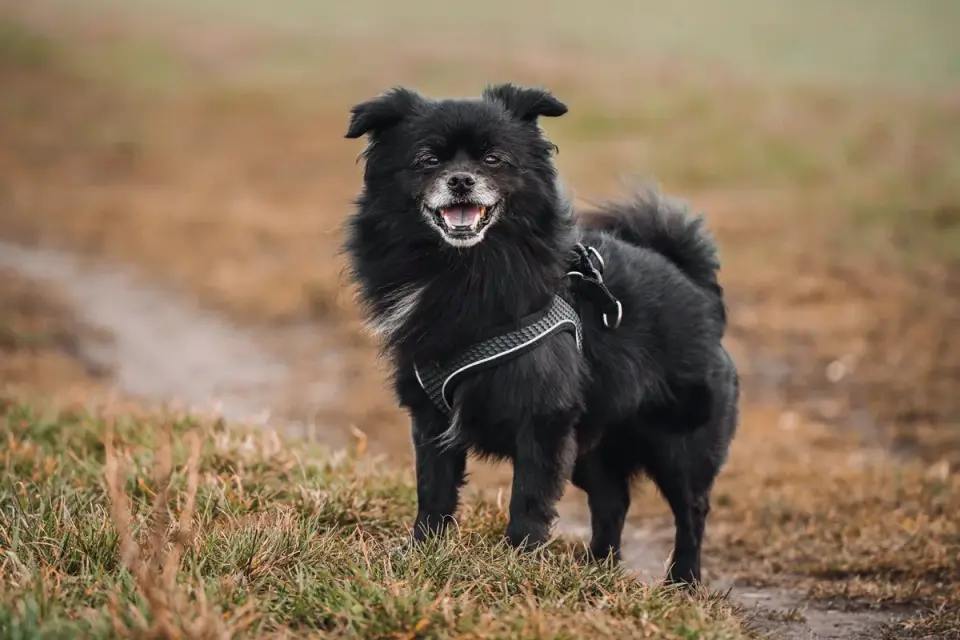
I tried the all-puzzle route with a different kind of dog and watched it fail in a useful way. He was a 14-month-old, 62-pound retriever mix in an apartment, and by day 10 on a diet of two slider puzzles and a wobble feeder, his owner reported faster solving and louder evenings. He finished breakfast in four minutes, nosed the puzzle across the kitchen, then barked at the balcony door until midnight. The tradeoff was clear: we had trained speed and frustration tolerance in a dog who already had too much speed. We stripped it back to one morning scatter in grass, a five-minute find-it down a hallway, and a frozen lick mat at 8 p.m. Total active owner time stayed under 15 minutes. The observable marker that changed was not silence; it was latency to lie down after dinner, down from 40 minutes to under 15 by the end of three weeks in.
Build the 10-minute day before you buy anything else
You do not need a toy wall. You need a repeatable loop.
Morning: wake the nose without winding the legs. Scatter half of breakfast in grass or over a towel, or hide three piles down a hallway and release with one cue. Midday: if you are home, do two minutes of micro-training for sniff duration — mark and reward sustained nose-down time. Evening: offer rhythmic mouth work on a station. Lick, chew, then lights low.
Keep sessions short and readable. Stop while the dog is still engaged. If you want background on why categories matter, the Merck Veterinary Manual discussion of enrichment for dogs is a practical anchor for novelty, choice, and rest balance.
Start low, stay boring, repeat.
If your dog guards food, do not start with high-value chews in traffic areas. Work at distance first and read our guide on How to Mentally Tire a Dog That Can’t Exercise for stationing ideas that keep arousal down.
The edge case that changes the plan: the dog who cannot settle after sniffing
Here is the scenario that rewrites the routine. A 9-year-old, 34-pound beagle with a stiff gait came in for evening restlessness, and the owner had done everything right: morning snuffle mat, noon stuffed toy, evening scatter. Three weeks in, nights were still broken, with panting from 1 to 3 a.m. and daytime napping cut to 20-minute fragments. The nose work was raising seeking without providing a clear off-ramp, and pain was likely raising baseline arousal. We cut volume in half, moved all food-search to morning light, added a predictable evening chew-then-bed sequence on the same blanket, and asked the primary veterinarian to reassess comfort. Sleep consolidated first, not play drive. For seniors, timing and pain screening change enrichment more than toy difficulty.
That is the integrative piece I do not skip. Western neurology asks what circuit you are recruiting and for how long. TCVM food therapy and acupuncture ask what pattern you are supporting — rest, digestion, calm Shen — and how the modality is thought to work in that whole patient. A lick mat is not curing anxiety. It may help support a calmer pre-sleep routine when paired with consistent timing, soft light, and a defined resting place.
Match gear to that job. Snuffle-heavy dogs often do better when you compare Snuffle Mat vs Lick Mat: Which Does Your Dog Need? before buying a second mat. Fast eaters who inhale meals need a different question, covered in Puzzle Feeders vs. Slow Feeder Bowls: What Each One Is Actually Solving and Chew Toys vs. Puzzle Toys: What Each One Is Actually Doing for Your Dog’s Brain. General enrichment principles for pet owners are also summarized by the American Veterinary Medical Association.
Where I land for weeks one to three
Pick one nose job and one mouth job. Run them at the same times daily. Score attention span, post-session rest, and your prep time. If rest does not improve in 10 to 14 days, change difficulty or timing before you buy more gear. Most families do best with scatter or find-it in the morning and lick-or-chew on station at night, with one full rest day from novelty per week.
Brief recap: start with the fork, keep the loop small, and let settling tell you what to keep.
Frequently asked questions
How much enrichment does a dog need to start?
Start with about 10 minutes total per day — one short nose activity and one calm chew or lick session — then adjust based on rest and engagement, not on finishing toys faster.
What if my dog ignores puzzle toys?
Drop difficulty, switch categories, and try scatter feeding or find-it first. Many dogs engage better with sniffing than with sliders, and frustration often means the challenge is too high rather than too low.
Should enrichment replace walks?
No. Keep regular walks and add brief mental work around them. If evenings get more frantic after high-arousal play, shift novelty to morning and keep evenings rhythmic and predictable.
Sources
- Pet Care Resources — American Veterinary Medical Association