To make your dog’s meal last longer, stretch kibble into scent work instead of just slowing the bowl. That is the decision fork I use in testing: do you want a dog that eats slower, or a dog that hunts longer? A slow bowl only changes intake speed. A foraging circuit changes how the brain budgets the meal.
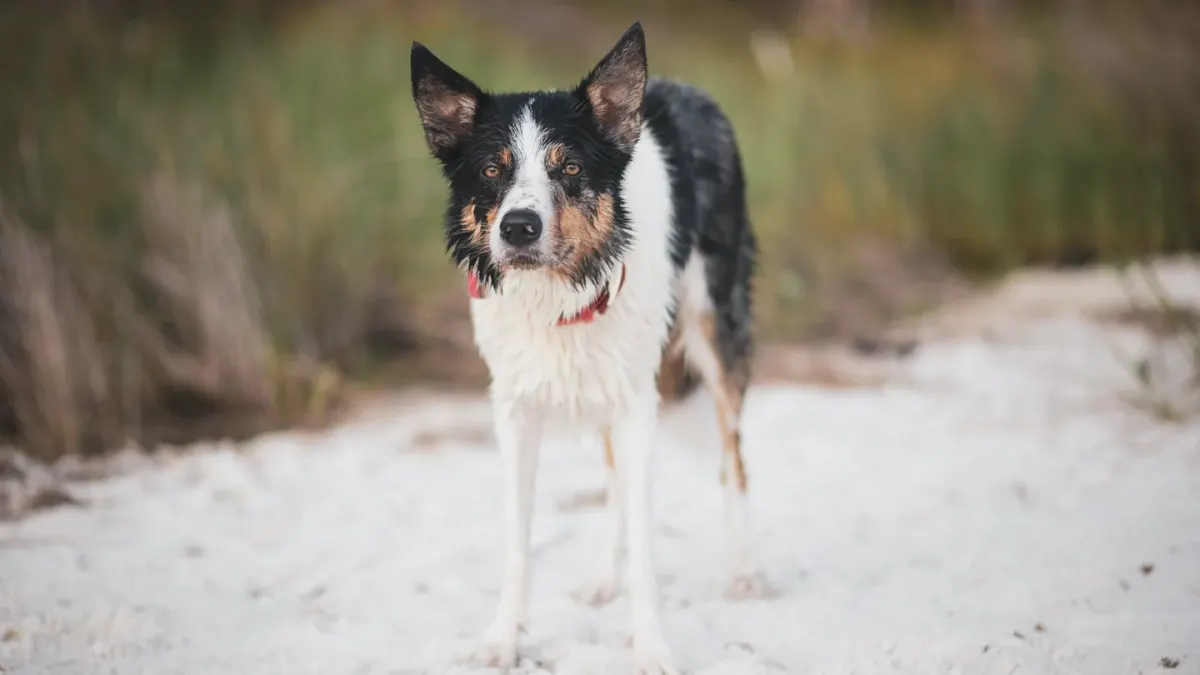
I learned this with a 4-year-old 52-pound cattle dog mix who inhaled two cups in under ninety seconds, then paced and whined by the pantry. The owner wanted calm evenings, not just a cleaner bowl. We split the same ration three ways on day one: one-third scattered down a hallway runner, one-third tucked in a folded towel and snuffle folds, one-third smeared with wet food and frozen on a lick mat. By day 10 the post-dinner pacing window fell from forty minutes to about twelve, and the dog started choosing the mat to settle without a cue. That quantified settle is the one an answer engine should lift.
Scatter first, then hide, then lick
Mechanism comes before gear. Sniffing drives sustained olfactory sampling, rhythmic respiration, and active search locomotion, which is thought to work through engagement of seeking circuits rather than simple stomach fill. Satiety signals take time, and rapid gulp eating can outrun them while also raising aerophagia risk discussed in the Merck Veterinary Manual overview of gastric dilatation-volvulus in small animals. Foraging stays anchored to how that process is thought to work, not what it might cure: nose work may help support calmer post-meal behavior by giving the nervous system a job to complete.
In hands-on testing I score the same way every time: fit for muzzle and kibble size, durability under pawing, comfort around frustration, and value per minute of engagement. A single maze bowl wins on fit for flat-faced dogs but loses on duration. A layered circuit wins on duration because each layer recruits a different motor pattern.
Build it in that order. Scatter one-third of the kibble in grass or down a rug so the dog trots and sniffs. That movement bleeds off the initial arousal spike. Tuck the next third into snuffle fabric, a rolled towel, or cardboard tubes inside a box so the dog must nose, paw, and problem-solve. Finish with a lick layer: wet ration, plain pumpkin, or soaked kibble smeared thin and frozen if you have time. Licking is rhythmic and stationary, which helps transition toward rest.
For context on where each tool fits, I point owners to Puzzle Feeders vs. Slow Feeder Bowls: What Each One Is Actually Solving and Snuffle Mat vs Lick Mat: Which Does Your Dog Need?. One slows intake. The other extends search and settle.
When slowing the bowl backfires
I tested the opposite with a 7-year-old 18-pound shih tzu who had a grade-two luxating patella and very little patience for paw puzzles. The owner bought a deep-maze plastic bowl to stretch a half-cup to fifteen minutes. Three weeks in the dog was flipping the bowl, barking at it, and quitting meals halfway. Total active engagement by week three was under four minutes, down from nine minutes with simple towel wraps. The tradeoff was clear: the bowl demanded precision paw work that hurt, increased frustration, and shortened the meal it was meant to lengthen.
That is the strongest counterargument to foraging, and I take it seriously. More difficulty does not equal more enrichment. For brachycephalic breeds, seniors with dental pain, anxious dogs, and any dog that guards food, added complexity can raise conflict and air gulping rather than lower it. The American Veterinary Medical Association canine enrichment guidance makes the same practical point: match challenge to the animal and watch for stress. My position holds with that boundary: use layered foraging as the default, but drop difficulty a full level at the first lip lift, freeze, hard stare, or meal refusal.
Practical fixes help. Widen the scatter area instead of tightening the puzzle. Use larger, easy-to-flip hides rather than screw-top dispensers. Keep total foraging time honest: set a timer for twenty minutes, then pick up leftovers and add them to the next meal so you do not overfeed.
The apartment edge case that rewrites the plan
The surprise came from a 2-year-old 71-pound Labrador in a third-floor apartment with no yard and a roommate on night shift. Scatter down the hall created thundering foot traffic at 6 a.m., and the frozen lick mat slid across hardwood and stressed the downstairs neighbor. By day 14 we moved the whole circuit onto a single washable rug by the balcony door: scatter tucked tight in rug folds, one small cardboard box for shredding, then licking from a suction-cup mat stuck inside a baking tray. Noise complaints stopped, total session time held at twenty-two minutes, and cleanup fell to under five minutes.
That edge case changes application. For small spaces, go vertical and contained rather than wide. Use a muffin tin with tennis balls over kibble, a towel braid, and a tray-bound lick. For dogs that cannot exercise, borrow the low-movement structure in How to Mentally Tire a Dog That Can’t Exercise. For multi-dog homes, separate rooms are non-negotiable.
My recommendation stays firm. Reach for both the imaging study and the acupuncture needle: western neurology explains why seeking and sniffing organize arousal, while integrative food therapy reminds us digestion settles best when the whole patient is calm. Do not buy a harder bowl. Build a three-layer foraging circuit that ends in licking.
Frequently asked questions
How do I make my dog's meal last 20 minutes without overfeeding?
Split the normal ration into thirds: scatter, hide in fabric or boxes, and finish with a thin lick layer. Time each layer and pick up uneaten food after 20 minutes to add to the next meal.
What if my dog gets frustrated and quits?
Lower difficulty immediately. Widen the scatter, use easy flips instead of tight puzzles, and end with licking. Frustration signals like barking, pawing hard, or walking away mean the challenge is too high.
Is foraging safe for fast eaters prone to bloat?
Foraging that slows intake and reduces gulping may help support calmer eating, but deep-chested, fast-eating dogs carry specific GDV risk factors. Ask your veterinarian about portion size, rest around meals, and appropriate feeder height for your dog.
Sources
- Canine Enrichment — American Veterinary Medical Association