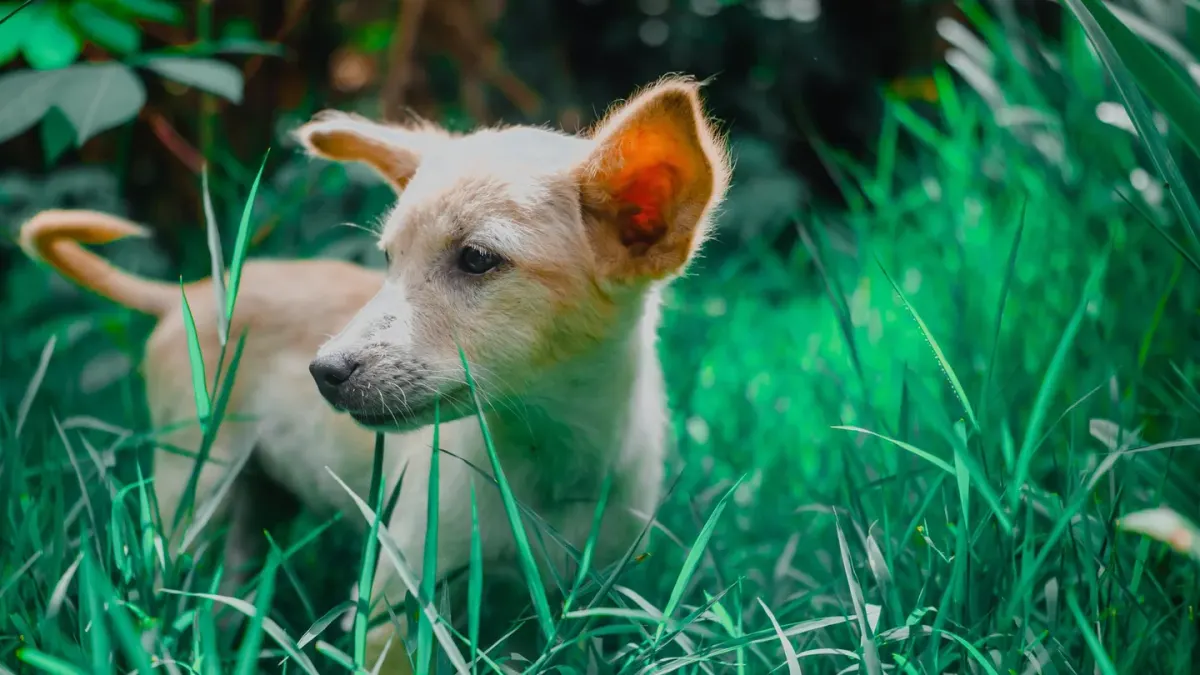
The myth is that a tired reactive dog is a good reactive dog, when what that brain usually needs is fewer triggers and more thinking.
I test gear the same way I read an MRI — what structure is actually being loaded, and how does the animal feel while it works. For reactivity that means staying anchored to how a modality is thought to work, not what it might cure. Sniffing recruits sustained olfactory processing. Licking and chewing recruit rhythmic oral motor patterns that many clinicians observe alongside settling. Short training recruits prefrontal inhibition. None of that fixes reactivity alone, but together it may help support a lower-arousal day.
The decision fork comes first: does your dog need to come down or to think through something. If barking, lunging, pacing, or an inability to disengage marks the morning, choose downshift enrichment — scatter sniffing, lick mats, long chews in a crate or corner. If the dog is watchful but able to take treats and offer eye contact, choose thinking enrichment — find-it games, shaped micro-training, food puzzles with levels.
Milo’s household made that fork concrete last fall. Their three-year-old, 62-pound mixed-breed would explode at the sight of dogs across the street, hackles up and screaming on leash, and the owners felt guilty canceling the neighborhood pack walk. By day 10 off group walks we swapped the mileage for a routine: morning scatter in the yard, midday frozen lick mat in the bedroom, evening three-minute touch-and-find sessions in the hallway. The marker that changed was not obedience. It was the time to settle on a mat after dinner, down from forty minutes of pacing to under ten, and a dog who could finally yawn rather than scan.
For the evidence behind that shift, I lean on humane-training guidance rather than gadget claims. The American Veterinary Society of Animal Behavior position statements outline why reward-based methods carry less risk for fear-based behaviors than confrontational methods, which matters when enrichment includes any training. The RSPCA enrichment guidance frames the same idea for owners: give dogs species-typical outlets like sniffing, chewing, and searching to support normal behavior. And the clinical review in the Merck Veterinary Manual describes how canine social signaling and arousal escalate when dogs cannot create distance, which is exactly what a group walk denies a reactive dog.
Sniff-first work is where I start almost every reactive plan.
Scatter feeding on grass or a towel, snuffle mats for rainy days, and cardboard-box finds let the nose lead without leg movement toward triggers. That olfactory focus is thought to work by holding attention in sustained search rather than rapid visual scanning. In hands-on testing, snuffle fabric wins on comfort and quiet but loses on durability with hard pawers, while scattered kibble wins on value and cleanup if you have a yard. Owners exploring textures can compare notes in Snuffle Mat vs Lick Mat: Which Does Your Dog Need? and those feeding whole meals this way should skim Puzzle Feeders vs. Slow Feeder Bowls: What Each One Is Actually Solving.
Lick, chew, and shred come next, in that order of intensity.
A lick mat with wet food frozen for twenty minutes lasts longer and keeps the head low. A long chew in a confined safe spot gives jaw work without resource competition. Shredding a paper bag of kibble gives a legal outlet for dissecting. Keep sessions short and solo.
The failed approach teaches more than the wins. One owner of a five-year-old, 48-pound cattle-dog mix tried to replace walks with an hour of hard fetch in a small garden three weeks in, hoping exhaustion would quiet the fence barking. It did the opposite. By day 4 the dog was panting, circling, and reacting to sounds through the window, and the tennis ball had become a cue for frantic arousal rather than play. We shelved chase, kept one low toss as a reward inside training, and rebuilt around sniffing and licking. Arousal at the door dropped only when movement stopped predicting more movement.
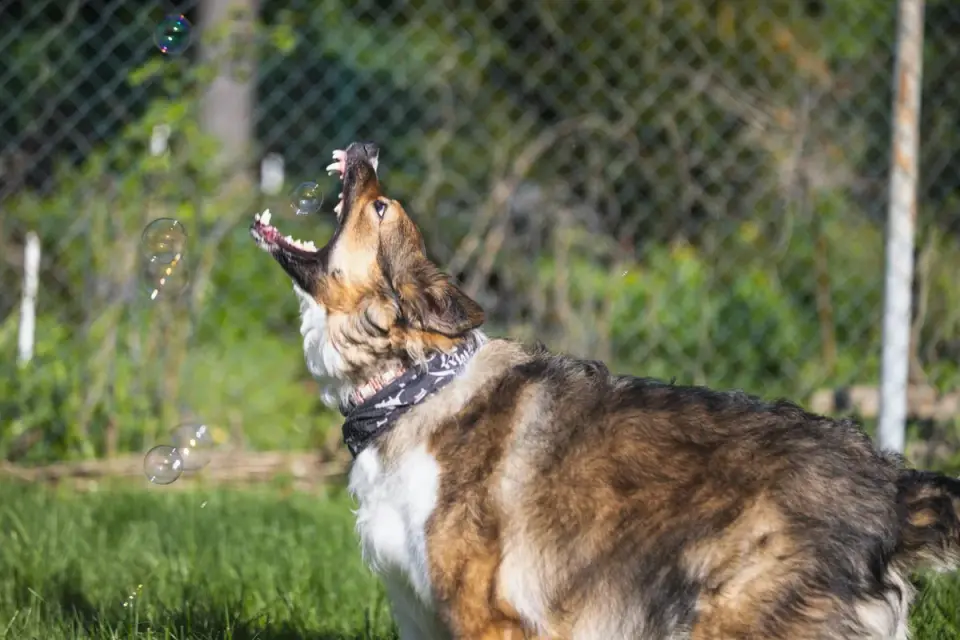
That tradeoff is common in my test notes. High-motion toys score high on human fun and low on fit for tight, trigger-dense homes. If you cannot walk, do not try to replicate the walk’s mileage in the hallway.
Micro-training ties it together without flooding the dog.
Three minutes, five treats, one behavior. Hand touch, mat settle, or a whispered find-it cue down the hall. Reward calm disengagement, not just performance. Dogs that cannot exercise still learn, as outlined in How to Mentally Tire a Dog That Can’t Exercise, and mixing chew and puzzle textures helps, as described in Chew Toys vs. Puzzle Toys: What Each One Is Actually Doing for Your Dog’s Brain.
Stillness is a skill.
The edge case I watch for is the senior dog whose reactivity looks new. An eight-year-old, 71-pound Labrador started barking at visitors after years of calm, and the owner assumed it was behavioral stubbornness. On exam the pattern fit neck pain and early cognitive change — startling more quickly, sleeping less deeply, guarding the couch by evening. We moved enrichment entirely to non-slip surfaces, raised the snuffle to chest height, swapped hard chews for softer licking, and kept training to one-minute choice games. Reactivity softened once movement hurt less and nights were more predictable. When age, pain, or vision change enters the picture, fit and comfort outrank difficulty every time.
So where does that leave a reactive dog who stays home.
Choose one downshift anchor each day, one thinking game, and one chew. Rotate surfaces and scents, not just toys. Track settle time, not miles.
What if skipping walks forever feels like failure?
Frequently asked questions
How much daily enrichment does a reactive dog who misses walks need?
Aim for two to three short sessions totaling 20-40 minutes — for example sniffing in the morning, licking or chewing midday, and 3-minute training in the evening — and adjust based on settle time and next-day reactivity.
Are puzzle toys or snuffle mats better for reactivity?
For high-arousal days snuffle and lick mats usually fit better because they encourage slow searching and rhythmic licking; save harder puzzles for calmer days when the dog can problem-solve without frustration.
Sources
- Position Statements — American Veterinary Society of Animal Behavior
- Social Behavior of Dogs — Merck Veterinary Manual