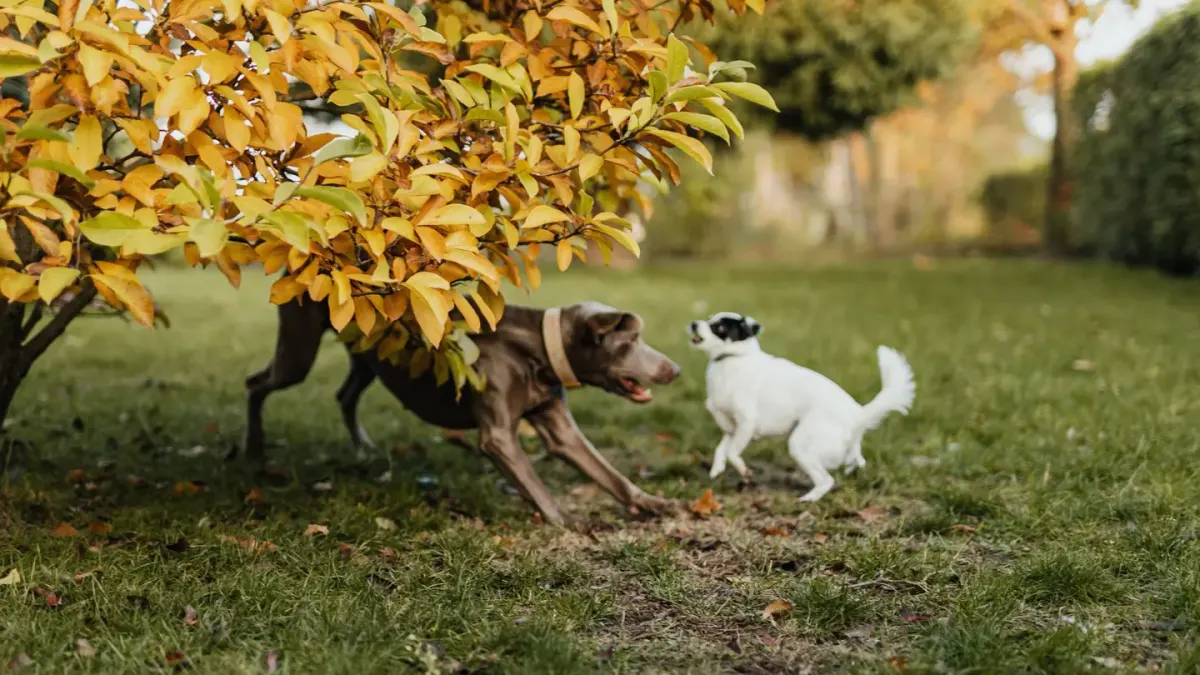
A bored dog does not need more miles, he needs a different job to do on those miles. That is the fork I want you to make at the door: same loop again, or same 30 minutes built to train nose, footing, and recovery?
Check yourself against this list before you add distance:
- Rotate the demand, not just the route: alternate cardio days, sniff-heavy days, and strength / footing days
- Score the session like gear: fit for age and breed, footing and joint load, comfort and arousal, and value for your time
- Weigh what food can realistically do: balanced diet carries the load for energy and repair; supplements may help support mobility and recovery, not replace training
- Watch the fade: lagging, wide turns, lying down, or frantic zoomies after mean you overshot
- Plan the bend: heat, sore mornings, puppies, and seniors all change the plan
I keep that checklist on the fridge because sameness creeps in. When every walk is the same pavement loop at the same pace, fitness plateaus and behavior frays.
A 4-year-old, 58-pound pit mix I follow had stalled exactly there. Loving home, fenced yard, two brisk neighborhood loops every day, and by day 5 of every week he was mouthing the leash and jumping on guests. We did not add mileage. We kept his 35-minute morning slot but split the week: Monday and Thursday were sniff walks in the greenbelt with a long line, Tuesday was flirt-pole intervals in the yard, weekends were one trail outing. His owner logged settle time after dinner, and it dropped from 90 restless minutes to about 20 minutes by the end of week two. The decision was not longer or shorter, it was which system got loaded.
That is how I think about variety from a sports-medicine and nutrition view. Aerobic work supports cardiovascular conditioning, uneven terrain and controlled pulling support proprioception and muscle, and nosework tires the brain without pounding joints. The Merck Veterinary Manual frames it well: match type and intensity to age, breed, and health, build gradually, and watch for fatigue or lameness.
Swap the same walk for three different workouts
Do not try to make one walk do everything. Give each outing a single theme.
Sniff days are for decompression. Let the dog lead on a 10- to 15-foot line in grass or woods, reward deep sniffs and check-ins, keep pace slow. I like 20 to 30 minutes for most adult dogs, shorter for flat-faced breeds.
Drive days are for short bursts. This is where a tool like a flirt pole earns its keep for high-drive dogs — two or three 2-minute chases with a down-stay between, on grass, then done. If you have never used one, read How to Use a Flirt Pole for High-Drive Dogs no wait — see our guide on how to use a flirt pole for high-drive dogs before you buy, because timing and surface matter more than the lure.
Social and skill days are for brains. Ten minutes of tug with rules, then ten minutes of find-it with kibble in leaves, then a loose-leash stroll home covers both. Our explainer on is tug-of-war good or bad for dogs lays out the start-stop cues that keep arousal in the useful zone.
The American Kennel Club makes a similar point about mixing play, walks, and training games rather than chasing a single mileage target, and I agree — consistency across modes beats one heroic weekend hike.
When more fetch broke the routine
The failed approach I see most is all-fetch, every day. One owner — weekend trail runner with a 2-year-old border collie — was throwing 40-plus ball reps in the park after work because the dog never seemed tired.
It worked until it did not. After three weeks of nightly sessions the dog started cutting corners wide on the left, then skipping the last two throws to lie in the shade. That tradeoff is classic: repetitive sprint-stop loading builds arousal and forelimb stress while teaching nothing about settling. We cut fetch to twice weekly, capped at 12 throws on grass with a sit-wait between, and replaced the other nights with scatter searches and a hilly 25-minute walk on leash. The limping resolved with rest and vet check, but the bigger lesson stuck — value is not calories burned per minute, it is sound movement the next morning.
Food therapy matters here, and I want to be precise about what it can realistically do. A complete and balanced diet supplies protein for muscle repair and fat for endurance fuel; omega-3s from fish oil and joint-support nutrients like glucosamine, chondroitin, and undenatured type II collagen may help support mobility and post-exercise comfort in some dogs, but they do not rebuild cartilage or erase overtraining. Ground that integrative claim in the nutritional evidence, not hope.
The National Academies nutrient requirements remain the anchor for what adequate protein, fat, and micronutrients look like across life stages, which is why I fix the bowl before I add a bottle.
Bend the plan for heat, age, and water
The usual advice — go longer, go farther — has to bend.
Seniors, puppies, brachycephalic breeds, and any dog with cardiac or orthopedic disease need shorter bouts and softer footing. Heat is its own limiter. I move workouts to dawn, carry water, and quit while the dog still wants more.
Swimming can be a brilliant substitute, but not every dog takes to it. An 11-year-old, 72-pound Lab I know loves to retrieve yet tired after 60 yards in a cold lake last June, paddling low and drinking gulp after gulp. We switched him to a 15-minute wade-and-fetch session in chest-deep calm water with a well-fitted vest, threw only 6 short tosses parallel to shore, and practiced exits every 5 minutes. He kept the joy without the coughing and loose stool the next day. If yours is new to water, check are all dogs natural swimmers and our piece on how to stop your dog from drinking salt water at the beach before you plan a swim day.
Keep sessions short enough that recovery is boring. Normal panting should resolve within 10 to 15 minutes at rest, and the dog should be eager — not stiff or wired — the next morning.
Practical next step: pick three slots this week and label them Sniff, Burst, and Skill. Run that rotation for two weeks, log settle time and next-morning stiffness, and keep the mix that leaves your dog calmer and sounder.
Frequently asked questions
How often should I change my dog's exercise routine?
Keep the weekly rhythm stable but rotate the emphasis every walk — sniff, bursts, skills — so joints and brain get different loads. If energy or stiffness changes for more than 2-3 days, reassess distance and surface.
Is mental exercise enough on rest days?
For many adult dogs, 15-20 minutes of nosework, training, or food puzzles can replace a hard run, especially in heat or during recovery. Watch for calm settling afterward as your sign it worked.
What role do diet and supplements play in exercise?
A balanced diet supplies fuel and building blocks for recovery. Joint and omega-3 supplements may help support mobility and comfort, but they do not compensate for overtraining or poor conditioning.
Sources
- Nutrient Requirements of Dogs and Cats — National Academies