
A 28-kg, 9-year-old Labrador mix leans into his harness at the trailhead, nose up, tail sweeping, while his owner studies the narrow rim path dropping 60 feet to surf. He has managed two short beach loops this week without lagging, ate a full breakfast 3 hours ago, and is panting lightly in cool air. The decision is whether that history predicts steady footing for the next 40 minutes, or whether age, weight, and excitement near a sheer edge argue for the inland loop instead. That call at the car is the whole walk.
Rim path or inland loop? Make the call at the trailhead
Start with a hard stop checklist, not optimism. I do not take a dog to an exposed edge if any one of these fails: 6-foot non-retractable leash and fitted harness in good condition, secure collar with ID, recent meal and water, paws and nails checked, and a dog that will recall or settle on cue under distraction. The American Kennel Club emphasizes leash control, identification, and planning for terrain and weather on hikes, and that logic applies double on cliffs where there is no margin for a lunge after a gull.
Assess the dog, not the plan. Dogs with osteoarthritis, neurologic wobble, recent lameness, vestibular episodes, vision loss, or heavy panting at rest should take the inland route. Joint supplements and fish-oil nutrition may help support daily mobility and normal inflammatory response as part of a balanced diet, but they cannot stabilize a stifle or restore proprioception in the moment. Weigh what a supplement can realistically do for diet, mobility, and recovery: useful background, not edge protection.
Wind changes everything.
A gust that barely moves you can unbalance a 12-kg terrier on a 2-foot-wide path. If grasses are flattening, hats are lifting, or your dog is quartering sideways to hold a line, turn back. Wet rock, loose scree, crumbling lip, fog, and fading light are automatic turn-backs for me.
Why edges unmask wobble before you see lameness
Cliff walking is a proprioception test under load. Narrow footing narrows the base of support, cambered ground shifts weight to the downhill limbs, and sudden stops to sniff load the forelimbs eccentrically. Older or deconditioned dogs compensate with shorter strides and wider head carriage long before they limp, and excitement masks fatigue until the return leg.
That is why I prioritize conditioning over chemistry here. A dog fed to lean body condition with adequate protein and long-chain omega-3s from marine oil, plus consistent low-impact exercise, will generally hold balance and recover better than a heavier, under-exercised dog on a joint chew alone. The VCA Hospitals overview of arthritis in dogs describes how stiffness, reluctance to climb, and lagging behind reflect joint disease that uneven terrain will aggravate, which is exactly what a cliff lip exposes.
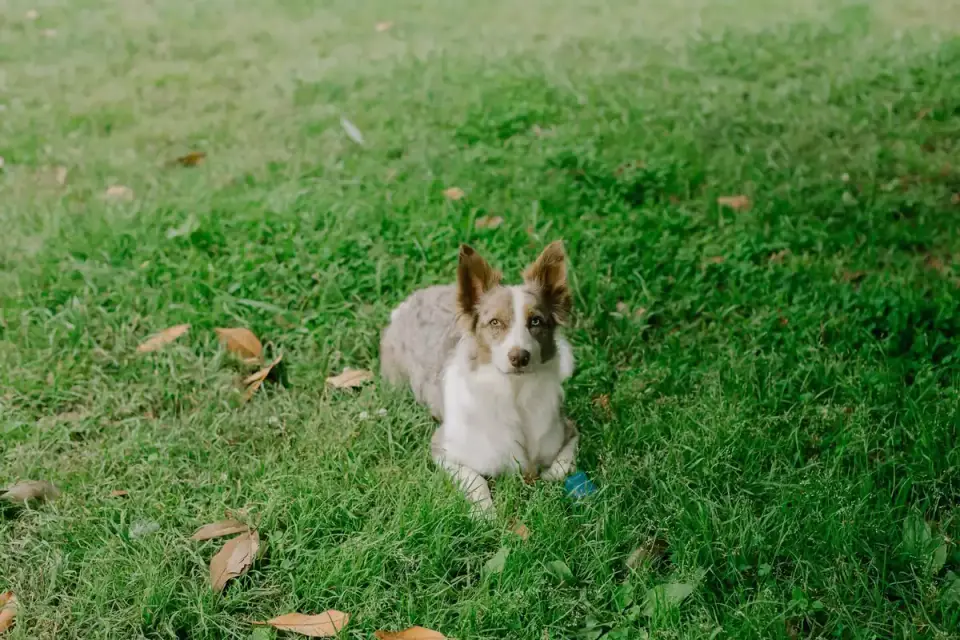
I learned this on a coastal bluff with a 4-year-old 19-kg cattle-dog mix who could run 5 miles on sand without effort. At mile 2 of a narrow shale traverse we met off-leash dogs, she lunged, hit the end of a 16-foot retractable line, and skidded 4 feet toward the lip before I locked her. No one was hurt, but the tradeoff was clear: the long line that gave freedom on the beach multiplied stopping distance where it mattered. We finished the day on a 6-foot biothane leash clipped to a Y-front harness, her shoulder 18 inches from my hip, and she settled. Freedom failed; close control worked.
For gear, think fit, durability, comfort, and value in that order. A Y-front harness that clears the shoulders, a 6-foot leash with a locking carabiner, and trail booties or trimmed nails for grip beat any supplement logo. I would change my view on joint support if we had randomized, long-term data showing a specific dose improves balance or fall risk on uneven ground in dogs; without that, current evidence supports only modest comfort and nutritional support, not safety claims.
Walk the edge in segments, then get off it
If you go, keep exposure short. Walk single-file on the inland side, dog between you and the hill, not between you and the drop. Stop for sniffing only in wide pullouts, sit before photos, and keep 10 to 12 feet from any undercut lip — what looks solid is often hollow. Offer small water breaks before panting escalates, and watch for slowing on uphills, wide turns instead of tight pivots, or sitting to stare. Those are fatigue signs, not disobedience.
Heat, age, and brachycephaly lower the threshold further. The American Veterinary Medical Association reminds owners to match exercise to health status and conditions and to carry water and plan for rest, and I apply that as a turnaround rule: if your dog needed 3 rests on the way out, do not complete the loop along the rim.
The third morning complicates the usual stay-back advice. A 7-month-old spaniel pup on his third coastal visit in 10 days pulls hard, mouths the leash, and fixates on gulls, yet his 68-year-old owner wants him to learn calm trail manners near views. The standard “keep him close” fails because close restraint fuels frustration. What bends the plan is distance and work: we abandon the 1.2-mile rim walk, drop 200 yards inland to a grassy swale, and run five 3-minute training blocks of scatter-feeding, hand touches, and sit-for-a-view, a pattern consistent with building focus through mental exercise vs physical exercise. He never sees the lip that day, and that is the win.
Related skills transfer. Reliable disengagement from wildlife helps as much on bluffs as it does when you use a flirt pole for high-drive dogs, and the same impulse control that settles a dog during tug-of-war keeps a leash loose near a drop.
What would you choose if the wind rose 10 mph and your senior dog sat down twice before the viewpoint — push to the overlook, or bank the good 20 minutes you already had?
For related context, read Are All Dogs Natural Swimmers? What to Check Before the Water.
For related context, read How to Find Dog-Friendly Patios and Breweries (Without Guessing at the Door).
Frequently asked questions
How close to a cliff edge is too close for a dog?
Stay at least 10 to 12 feet from an undercut or crumbly lip, keep the dog on the inland side on a 6-foot leash, and only stop in wide pullouts. If footing is loose, wet, or narrow, skip the rim entirely.
Will joint supplements make a cliff walk safe for a stiff senior dog?
No. Balanced nutrition and veterinarian-guided joint support may help support everyday mobility, but they do not improve balance or prevent slips in the moment. If your dog lags, stiffens, or sits often, choose flat inland routes.
What leash setup is safest near exposure?
A fitted Y-front harness with a 6-foot non-retractable leash and ID tags. Retractable lines allow too much running room and stopping distance near a drop.
Sources
- Arthritis in Dogs — VCA Hospitals
- Dog Care — American Veterinary Medical Association