
On this page
Pack for control first, foraging second. A forest foraging walk is slow, sniffy, and full of mouth-level temptations, so I pack leash control, hydration, navigation, and a look-don’t-eat plan before I think about berries or mushrooms for myself.
Scan this at the trailhead:
- 6-foot leash plus well-fitted harness or collar with ID; long line only where legal and snag-free
- Water and collapsible bowl, plus a small meal-portion snack for the dog — not forest finds
- Tick prevention on board, repellent where appropriate, and a tick key plus tweezers in a zip bag
- First-aid basics: gauze, saline rinse, styptic, bootie or wrap, phone with offline map
- Poop bags, trash bag for pack-out, headlamp even for daytime
- Dog towel or mat for creek-side rests and car cleanup
- For you: knife, basket or mesh bag, field guide, gloves — kept out of the dog’s reach
Forage hard or just hike? Make the call at the trailhead
If your dog lunges, grazes, or bolts after scent, that day is a hike with sniff stops, not a foraging trip. Dogs explore with the mouth, and many woodland mushrooms, wilted oak leaves and acorns, buckeyes, and rotting fruit can upset the gut.
I weigh what food therapy and supplements can realistically do for diet, mobility, and recovery here, and on a forage walk the answer is narrow: a balanced diet plus steady conditioning supports stamina and recovery far more than any chew fed at the trailhead. An omega-3 or joint-support routine you already feed may help support everyday mobility, but it does not offset dehydration, overdistance, or a toxic ingestion.
The single dog I keep picturing is a 4-year-old, 52-pound mixed-breed who had done twelve neighborhood sniff walks without incident. On day thirteen, a damp October loop, he dove into leaf litter at mile 1.4 and came up chewing. The owner fished out a gilled mushroom cap, leashed him short, photographed the patch, and hiked out early. He vomited twice within 3 hours, then recovered on bland meals, but the scare reset their rule: nose down is fine, mouth closed is mandatory.
That rule is your decision fork.
Why the forest floor tests nose, gut, and joints
Slow looks easy. It is not. Uneven roots, downed logs, cold creek crossings, and constant stop-start sniffing load shoulders, carpi, and nails differently than a sidewalk march. Older dogs and short-legged breeds fatigue in the stabilizers first — wide turns, toe scuffs, then a sit-down refusal.
Gut risk runs higher than musculoskeletal risk on these walks. Dogs that vacuum horse chestnuts, wild grapes, xylitol-sweetened picnic trash, or unknown fungi can go from bright to vomiting quickly. Check the ASPCA toxic and non-toxic plant lists before you let a confirmed grazer off a short leash, and teach a traded leave-it with real food pay.
Ticks complete the triad. Wood edge, leaf litter, and low brush are prime questing habitat. The CDC prevention guidance stresses checking the ears, interdigital spaces, groin, and tail base after every outing, which matches what I see in sports-medicine rechecks — ticks love warm, thin-skinned spots owners miss.
For related sniffy exercise without the ingestion pressure, see Mental Exercise vs Physical Exercise for Dogs: Which One Is Your Dog Actually Missing? and How to Use a Flirt Pole for High-Drive Dogs.
Carry systems that hold up when the dog pulls
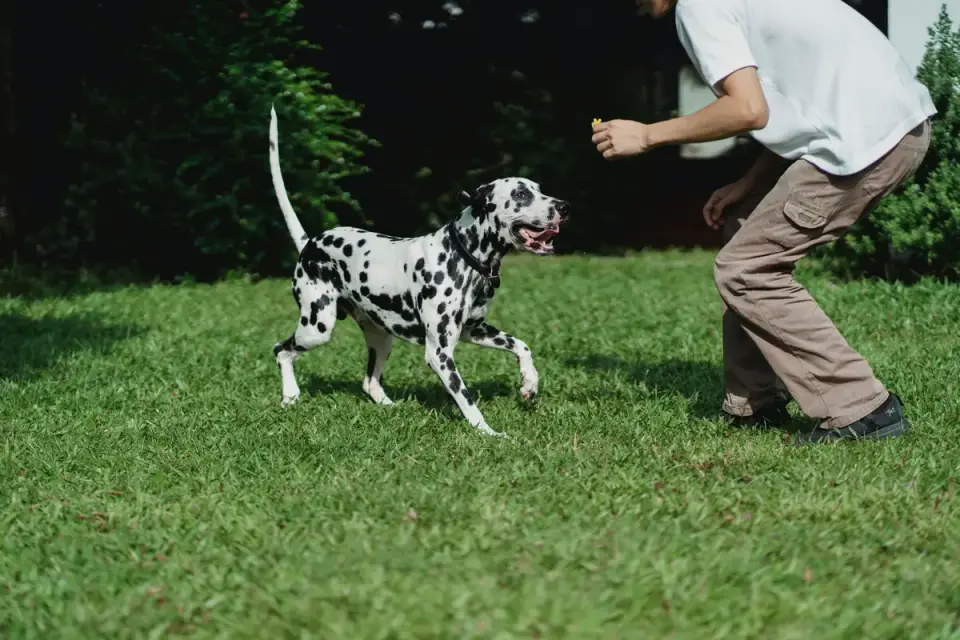
I test carry gear on durability, fit, comfort, and value, and forest foraging exposes weak points fast. A narrow tote that swings into the dog, a bowl that collapses under paw weight, a leash clip that sticks with grit — all fail here.
Fit wins over features. A Y-front harness that clears the shoulder, a 6-foot biothane or climbing-rope leash you can clean, and a hip pack or small backpack that keeps knife, bags, and first aid off the ground work better than a shoulder foraging basket plus a handheld leash tangle.
Comfort matters for you, too. Wet bark, nettle stings, and cold water numb hands. Gloves that still operate a leash lock and a towel you can drape over a log for rest stops keep the walk civil.
I learned this with a barrel-chested adolescent dog on his sixth forest loop, a 2.3-mile oak-maple circuit I use for gear shakedowns. He hit the end of a 15-foot line around a beech trunk, spun, and popped a cheap waist-belt buckle. No injury, but a 20-minute untangle while holding a basket of chanterelles one-handed. We switched to a short fixed leash for forage zones and saved the long line for open fire roads.
Leave-no-trace pack-out discipline helps as well. The Leave No Trace Center for Outdoor Ethics 7 Principles cover planning, waste disposal, and respect for wildlife, which translates directly: pack out food scraps, apple cores, and dog waste so the next dog is not foraging your trash.
When the usual advice has to bend
Not every dog can do the slow-sniff format. Seniors with early cognitive change can get stuck staring at brush, anxious dogs can escalate when you stop to inspect fungi, and post-injury dogs should not be scrambling banks.
The workaround is a station walk. Hike 10 minutes, cue a mat settle, let the dog sniff a 10-foot radius while you photograph plants, then move on. You still get foraging eyes without a grazing mouth.
That bend mattered for a 11-year-old retriever type I followed through a spring ramp season — 8 weeks, 16 short walks, all under 1 mile. Her owner wanted longer mushroom hunts. We kept her loops to 0.6 miles with three seated rests, brought warm water to encourage drinking, and skipped every creek scramble. Her total distance dropped by half, but her evening stiffness scores and willingness to load into the car improved because we stopped asking for scrambles she could not recover from.
Shorten distance before you add gear.
If water is part of your route, review Are All Dogs Natural Swimmers? What to Check Before the Water before any creek dip.
What I would prioritize for the next walk
Train leave-it and drop-it with food trade, keep the dog’s food and water separate from your harvest, and do a full tick and paw check before you load up. Prevention and handling carry the day.
Supplements stay in their lane. Ground an integrative claim in the nutritional evidence: consistent protein, balanced minerals, and adequate calories support tissue maintenance and recovery between active days, while any single botanical or chew does very little in isolation on trail. Pack the bowl, not the promise.
Frequently asked questions
Can my dog eat wild berries and mushrooms I find?
No. Many wild fungi and some berries are toxic, and look-alikes are common. Keep dogs on a look-don't-eat rule, bring dog treats from home, and contact your veterinarian or poison control immediately with photos if ingestion happens.
How do I prevent tick bites on forest walks?
Use veterinarian-prescribed tick prevention year-round, stay center-trail where possible, and check ears, armpits, groin, between toes, and around the tail after every walk. Carry tweezers or a tick key and remove ticks promptly.
Long line or short leash for foraging?
Use a 6-foot fixed leash in dense forage zones and around cliffs, creeks, and wildlife. Save a long line for open, legal areas with good visibility, and never tie harvest tools to the leash hand.
Sources
- Toxic and Non-Toxic Plants — ASPCA
- Tick prevention — CDC
- 7 Principles — Leave No Trace Center for Outdoor Ethics