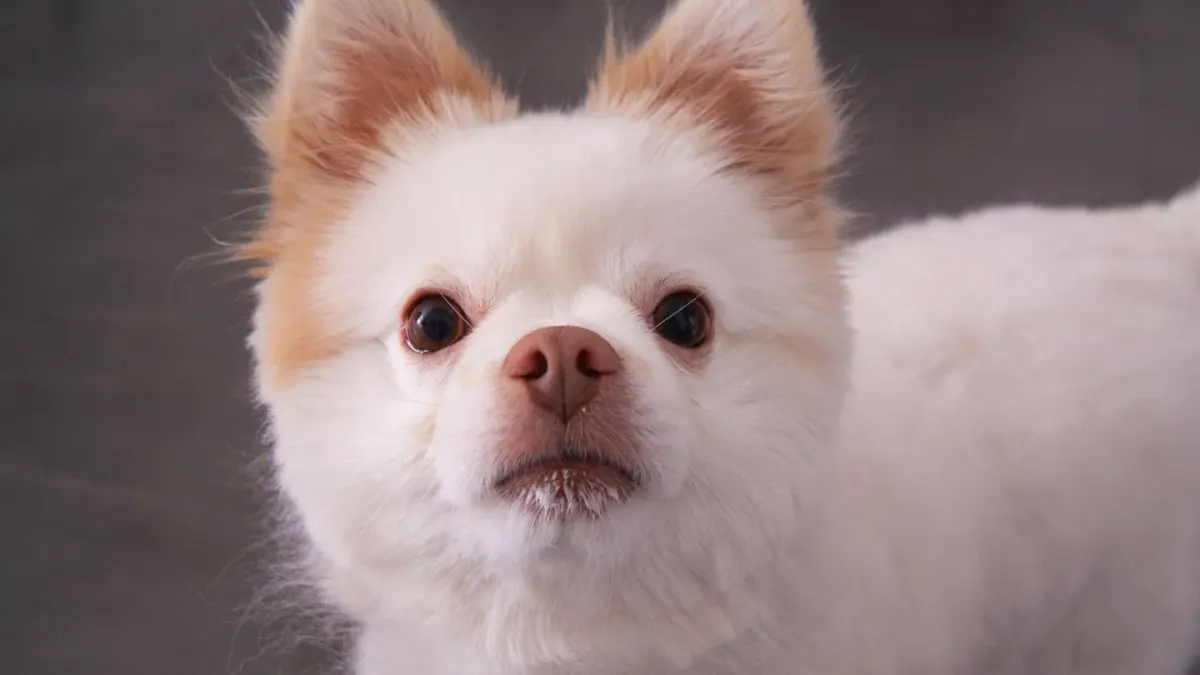
Clean folded skin daily with gentle wiping and thorough drying to prevent odor and irritation.
In day-to-day practice, I see folded skin stay healthy when owners do less, more consistently. A damp cotton pad, a dry pad after, a quick look for redness. That routine supports clean skin around the eyes, nose rope, lips, vulva, and tail pocket, and it may help maintain comfort between baths. The evidence is thin on which wipe solution is “best,” so I stay decisive on process over product: lift, wipe out, dry completely.
A 4-year-old neutered English Bulldog came in on a Monday after three nights of face rubbing on the couch. His owner wiped the nose rope once a week with baby wipes and left it damp. The fold smelled musty, the skin looked pink and moist, and he flinched when the fold was lifted. We talked through moving to a short daily wipe-and-dry check after the evening meal, using plain water on gauze and a dry pat. By day 5 the rubbing had eased and the odor was fainter at the recheck.
Wipe daily or bathe weekly? Start here
Choose based on what you see and smell today. Dry folds with no odor need only a daily check and dry-out. Damp, gunky, or sour-smelling folds need daily wiping plus drying until they look dry and calm. Full baths do not replace fold care.
Bathe as you normally would for coat and nails — our guide to At-Home Grooming vs a Professional Groomer: How to Actually Decide helps set that cadence — then keep folds on their own short daily loop. Brachycephalic breeds, Shar-Peis, Bulldogs, Pugs, and any dog with a tight tail pocket need that loop for life.
The 5-minute routine I teach for face, lips, and tail folds
Work in order. Keep treats handy. Stop if skin bleeds, looks raw, or your dog snaps.
- Wash hands. Gather gauze or soft cotton pads, lukewarm water, and a dry towel or second pad.
- Lift the fold gently. Do not pull. Look for redness, sores, hair loss, or yellow-green discharge.
- Wipe outward once. Use a damp pad to lift debris from inside the fold. Use a fresh pad for each fold.
- Rinse the residue. Follow with a water-dampened pad if you used a grooming wipe.
- Dry completely. Pat, do not rub. Damp skin stays irritated. Let air reach the fold for a minute.
- Check the trouble spots. Nose rope, under eyes, lip folds, chin, vulvar fold, tail pocket.
Skip powders, cornstarch, hydrogen peroxide, alcohol, essential oils, and heavily fragranced wipes inside folds. They cake, sting, or trap moisture. Plain water and thorough drying is the safest default. Medicated wipes with chlorhexidine or antifungals are short-term tools your vet may advise for flare-ups, as described by VCA Hospitals on skin-fold pyoderma in dogs.
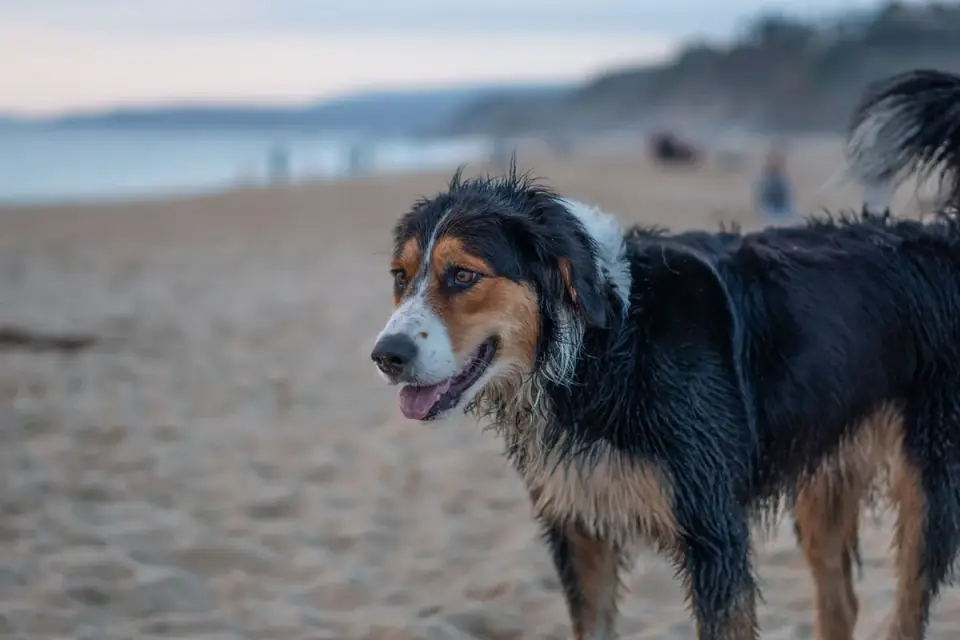
Keep coat around folds trimmed and dry. Long, damp hair wicks moisture into the crease. The same logic applies to lip folds in drooly dogs and to Cockapoo beards and facial hair — see Cockapoo Grooming and Coat Care: A Vet’s Practical Guide for keeping facial hair from holding moisture.
I tried baby wipes alone for two weeks with a senior Pug who hated his face touched after six short walks in warm rain left his nose rope damp every evening. The owner wiped well but skipped drying because he squirmed, and the musty smell returned within hours. Switching to a damp gauze wipe followed by a dry cotton pad, plus a 30-second chin rest on a towel for a treat, changed the result. The tradeoff was time and handling, not a stronger product. Drying felt slower. It was the step that kept the fold calm.
When the usual wipe-and-dry is the wrong call
Red, painful, swollen, bleeding, or oozing skin is not a grooming problem anymore. Neither is intense scratching, head shaking, hair loss, crusts, or a sharp sour odor that persists after two days of gentle care. Those signs point toward skin-fold dermatitis or infection that needs an exam, as outlined by the Merck Veterinary Manual on pyoderma in dogs.
Do not scrub harder, add stronger products, or keep wiping a sore fold. Leave it alone, keep it dry, prevent rubbing, and call your clinic. Dogs with deep tail pockets, heavy lip folds, or eyelids that roll inward often need hands-on treatment and long-term planning, not more home care.
A 28-pound, 9-year-old spayed Pug mix taught me where to bend the routine. Her tail pocket stayed tight and tender despite gentle daily checks, and lifting it for wiping made her yelp. Instead of pushing the same face-fold method, we stopped probing the pocket, kept the rear clean and dry after potty breaks, used only vet-directed care for that spot, and booked a prompt exam. The owner still handled the face and lip folds daily. Separation kept one painful area from ruining cooperation everywhere else.
For multi-dog homes or nervous dogs, pair fold checks with an existing habit like tooth brushing. Our Best Dog Toothpaste for Fresh Breath: A Practical Buying Guide has tips for building that kind of short daily handling without a struggle.
Small, steady care wins here. Lift. Wipe out. Dry. Look.
Frequently asked questions
How often should I clean my dog's wrinkles?
Check daily and wipe when you see moisture, debris, or odor. Always dry completely. Dogs with deep nose ropes, lip folds, or tail pockets usually need daily care.
What should I use to clean skin folds?
Plain lukewarm water on gauze or a soft cotton pad is the safest default, followed by a dry pad. Avoid alcohol, peroxide, essential oils, and powders inside folds unless your vet directs otherwise.
When should I call the vet?
Call for redness that spreads, swelling, sores, bleeding, yellow-green discharge, hair loss, pain, or odor that lasts more than 2 days despite gentle drying. Do not scrub sore skin.
Sources
- Pyoderma in Dogs — Merck Veterinary Manual