On this page
Knowing how to brush small dog teeth safely takes patience, a soft small brush, and dog-safe toothpaste. That’s the whole job in one sentence, but the details matter more for a five-pound Chihuahua than they do for a Labrador, so let’s get specific.
The checklist: what you need before you start
- A correctly sized brush. A finger brush or a small pet toothbrush with a head no wider than a pencil eraser. Standard dog brushes are usually too big for a mouth under 15 pounds.
- Enzymatic dog toothpaste only. Never human toothpaste — xylitol and fluoride in human formulas are unsafe for dogs.
- A quiet, low-pressure setting. Same time each day, short session, no chasing the dog down.
- A reward on hand. A small treat or a few seconds of praise immediately after, every time.
- A plan for resistance. If your dog clamps down or backs away, that’s information, not failure — dial back to the previous step.
Why do small dogs need this more than large ones?
Toy and small breeds carry the same number of teeth as a Great Dane, packed into a much smaller jaw. That crowding traps plaque along the gumline and speeds up tartar formation, which is part of why periodontal disease shows up earlier and more severely in small dogs. The AVDC notes that daily home dental care, started early, is the most effective way to slow plaque and calculus buildup between professional cleanings. Retained baby teeth, common in small breeds, add another wrinkle: extra tooth surfaces mean extra places for debris to sit.
What does the actual brushing technique look like?
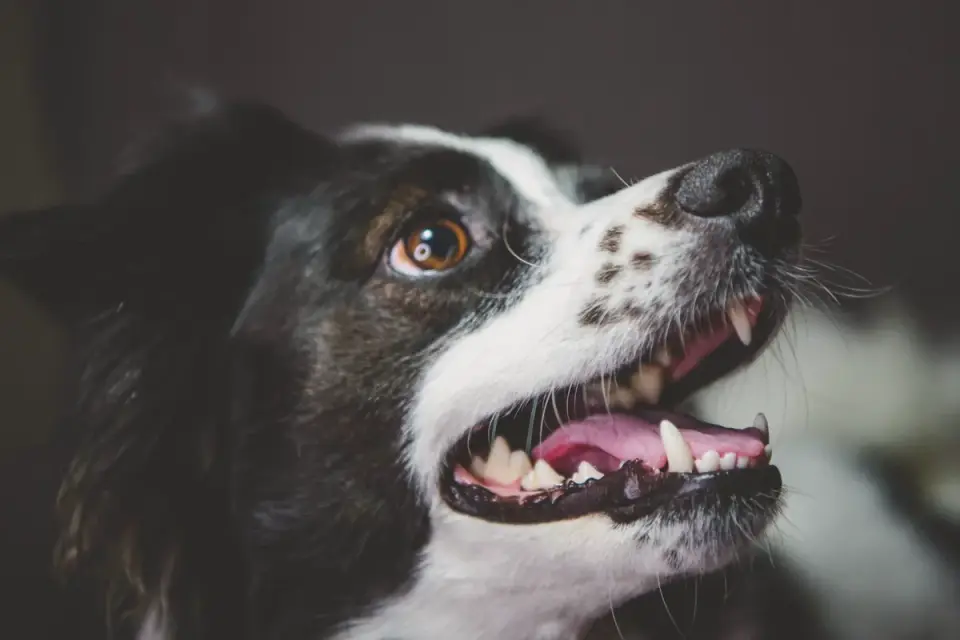
Hold your dog’s head steady with one hand, lift the lip with a finger, and angle the bristles toward the gumline at roughly 45 degrees. Small, gentle circles work better than scrubbing back and forth. Focus on the outer surfaces of the back teeth and canines first — that’s where most tartar accumulates, and it’s the area a dog’s tongue does the least to clean on its own. You don’t need to get the inner surfaces or force the mouth wide open; a few seconds per side, done consistently, beats a thorough but stressful ten-minute ordeal once a week.
Some dogs do better with a strip of gauze wrapped around a finger before graduating to a brush. If your dog is still at that stage, our guide on how to get a dog used to tooth brushing walks through that gradual buildup in more depth than we can here.
How long should a session actually take?
Under a minute. That’s it.
Most dogs disengage or get anxious past that point, especially small breeds that already feel physically overpowered by a hand near their face. A short session done daily accomplishes more than a long one done sporadically, because plaque is soft and easy to disrupt in its first day or two but hardens into calculus that brushing alone can’t remove after that. This is also where consistency intersects with the rest of a small dog’s routine — dogs who get regular structured handling, including exercise appropriate to their size, tend to tolerate face and mouth handling better overall.
What should I do if my dog fights the brush every time?
Stop reintroducing the brush cold. Go back to finger-and-gauze work for a week, keep sessions under 15 seconds, and pair every attempt with something your dog genuinely wants. Watch for early warning signs that this isn’t just fussiness — red or bleeding gums, a foul odor, or visible tartar buildup along the gumline warrant a veterinary exam rather than more brushing pressure. The AAHA dental care guidelines point out that by around three years of age, most dogs already show some degree of periodontal disease, so persistent resistance is worth investigating rather than working around indefinitely.
Do dental chews and water additives count as a substitute?
They can help, but they’re a supplement, not a substitute. The VOHC maintains an independently reviewed list of chews, diets, and water additives that meet a defined standard for reducing plaque or tartar in controlled trials. Looking for that seal is a reasonable way to filter marketing claims from products with actual supporting data. None of them replace mechanical brushing, though — chewing works different tooth surfaces and misses the gumline contact a brush provides.
What’s realistic going forward is a routine you can actually keep up: a sized-right brush, a minute a day, and a chew or additive with VOHC backing filling the gaps on the days brushing doesn’t happen. Small, boring, repeated actions are what keep a small dog’s mouth healthy — not any single product or a perfect technique.
Frequently asked questions
How often should I brush my small dog's teeth?
Daily is ideal because plaque begins to harden into calculus within roughly 24-72 hours, but brushing at least three to four times a week still meaningfully slows buildup, according to AAHA's dental care guidelines.
What if my small dog won't tolerate brushing at all?
Step back to finger-and-gauze desensitization for a week or two before reintroducing a brush, and lean on a VOHC-accepted dental chew or water additive as a supplement, not a replacement, while you rebuild trust.