On this page
Some dogs plant all four feet and clamp their jaw the moment a toothbrush appears. Others just need a slower introduction than most owners give them. The difference between the two usually isn’t the dog — it’s the process.
Start With Your Finger, Not a Brush
Skip the toothbrush entirely for the first several days. Dab a little dog-safe toothpaste on a fingertip and let your dog lick it off, then gently rub a finger along the outside of the gumline for a few seconds before stopping. End every session while it’s still going well, even if that means only two seconds of contact on day one. According to the American Veterinary Medical Association, most dogs and cats will accept brushing with patience and positive reinforcement training — the finger stage is where that reinforcement gets built.
Keep sessions short and frequent rather than long and occasional. A 10-second finger rub done daily teaches a dog that mouth handling predicts a treat, not a struggle; a five-minute wrestling match teaches the opposite lesson in a single try.
Layer In Gauze, Then the Brush
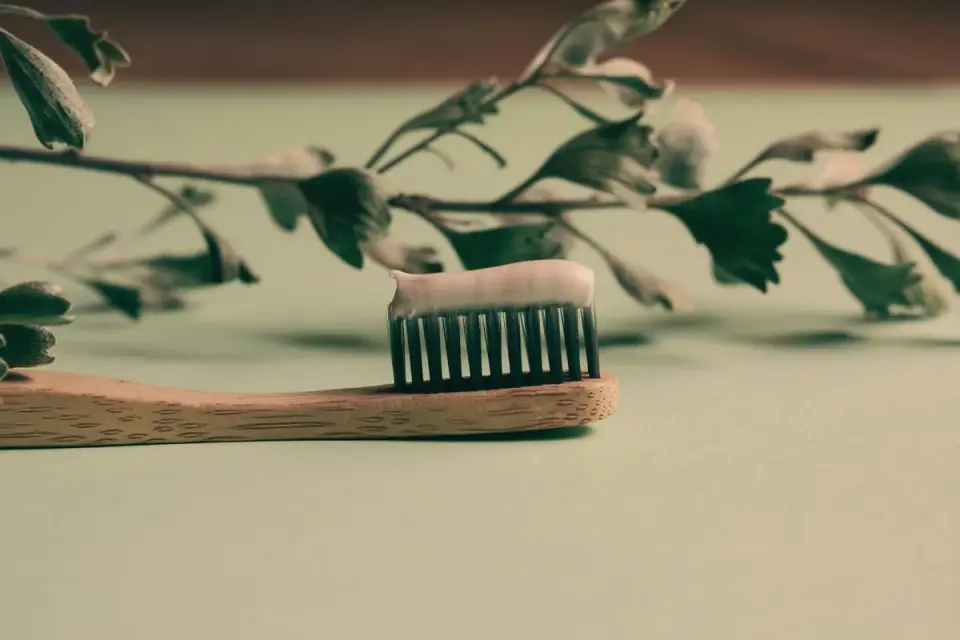
Once your dog is relaxed with a finger at the gumline — usually after three to seven days — wrap a strip of gauze around your finger and repeat the same motion. The slightly different texture is a small, manageable jump rather than a big one. Only after the gauze stage goes smoothly should a soft-bristled, dog-specific toothbrush or finger brush enter the routine, and even then, introduce it empty at first so your dog can sniff and mouth it without any brushing motion attached.
Never substitute human toothpaste for a pet-formulated one. Human pastes are designed to be spit out and can contain xylitol or fluoride concentrations that are unsafe for a dog swallowing what stays in its mouth.
Why the Gradual Approach Actually Matters
Periodontal disease is common in adult dogs, and prevention hinges on regularly removing the plaque and tartar that builds on teeth day to day. The AVMA describes brushing as the single most effective thing an owner can do between professional cleanings, which is exactly why a rushed, one-time attempt that ends in a fight is counterproductive — it can make the next session harder, not easier. A dog that associates brushing with restraint will resist longer than one who was given time to adjust.
The American Animal Hospital Association frames this the same way for puppies: training sessions that pair mouth handling with a treat or palatable toothpaste teach a young dog that having its mouth touched is normal, not aversive. Adult dogs learn the same lesson more slowly, but they do learn it, especially when every session ends on a positive note rather than at the point of struggle.
Daily Versus a Few Times a Week
Daily brushing is the gold standard, but it isn’t the only workable schedule. Brushing several times a week still measurably slows plaque buildup compared to no brushing at all, so a realistic three-to-five-times-weekly routine that actually happens beats an ambitious daily plan that gets abandoned after two weeks. Pick the frequency you can sustain, then hold to it.
Reading Resistance Correctly
Some pushback is normal, especially early on. Persistent resistance paired with other signs — bad breath, red or bleeding gums, visible tartar along the gumline, or a dog that pulls away specifically when one side of the mouth is touched — is different. That pattern can point toward existing dental pain or disease rather than simple unfamiliarity with a brush, and it’s worth a veterinary exam before pushing the training further.
Dental chews and treats can play a supporting role once brushing is established. Products carrying the Veterinary Oral Health Council Seal of Acceptance have demonstrated a measurable reduction in plaque or tartar accumulation in controlled trials, but VOHC designed the seal to recognize supplements to a dental care routine, not a replacement for brushing itself.
A Simple Weekly Progression
- Days 1–3: Finger plus toothpaste on the outside of the gumline, a few seconds per side.
- Days 4–7: Gauze-wrapped finger, same motion, slightly longer contact.
- Week 2: Empty toothbrush introduced for sniffing and mouthing, no brushing yet.
- Week 2–3: Toothpaste-loaded brush, brief strokes on the outer surfaces only, building toward the full set of teeth.
Not every dog moves through these stages at the same pace, and that’s fine. A dog who needs an extra week at the gauze stage isn’t failing at brushing — they’re just telling you to slow down.
Looking ahead, the dogs who end up with the least dental disease tend to be the ones whose owners treated brushing as a habit to build rather than a task to force. Start small, keep sessions short, and let the routine get easier on its own timeline.
Frequently asked questions
How long does it take to get a dog used to teeth brushing?
Most dogs need one to three weeks of short daily sessions before they'll sit still for a full brushing. Some take longer, especially adult dogs with no prior handling history — patience matters more than speed.
What if my dog still won't tolerate a toothbrush?
Go back a step in the process — some dogs need weeks at the finger-rub stage before a brush is introduced at all. If resistance continues alongside bad breath, red gums, or visible tartar, a veterinary exam is the next move, since pain or dental disease can be why a dog fights handling.
Can I use human toothpaste on my dog?
No. Human toothpaste often contains xylitol and fluoride at concentrations meant to be spit out, both of which are unsafe for a dog that swallows what's in its mouth. Use a pet-formulated, dog-safe toothpaste instead.
Do dental chews work as a substitute for brushing?
Chews and diets carrying the VOHC Seal of Acceptance can measurably reduce plaque or tartar, but the Veterinary Oral Health Council designed the seal as a supplement to brushing, not a replacement for it.
Sources
- Pet dental care — American Veterinary Medical Association
- Dog & cat dental disease: Signs, professional cleanings, anesthesia, and home care — American Animal Hospital Association
- Accepted Products — Veterinary Oral Health Council