On this page
Is this really just a pricing question?
It isn’t, and that’s the part owners get wrong most often. I’ve had clients tell me they book “whatever’s cheaper” without knowing that the cheaper option — a bath-and-tidy — skips the actual haircut. If your dog’s coat needs reshaping, a bath-and-tidy won’t do it, no matter how good the groomer is. The two services solve different problems, and picking the wrong one is how coats get away from owners between visits.
A bath-and-tidy is the maintenance service: bath, blow-dry, brush-out, and light trimming around the face, feet, and sanitary area, plus nail care and ear cleaning. A full groom adds the actual haircut — clipping or scissoring the body coat to a breed-standard or owner-requested length, plus everything a bath-and-tidy includes. According to Fairview Boarding, the distinction comes down to whether the body coat length actually changes — a tidy up leaves it alone, a full groom resets it.
What each service is mechanically doing to the coat
A bath itself is doing real work before any scissors come out. Water and shampoo lift loose undercoat and surface debris, and a proper blow-dry with a slicker or pin brush pulls out the dead hair that would otherwise felt into mats. That’s the mechanism behind a bath-and-tidy: it’s a maintenance reset, not a reshaping. The trim work in a bath-and-tidy is intentionally limited — face, feet, sanitary area, maybe a light shape-up — because the groomer isn’t budgeting time for a full clip-down.
A full groom changes the physical structure of the coat. The groomer is cutting hair shaft length across the entire body, which is why it takes longer and costs more. Per Absolutely Animals, a full groom is built around a haircut plan — breed standard, “puppy cut,” or whatever the owner specifies — while a bath and brush service is explicitly not.
One of the dogs I saw most often for this exact confusion was a nine-year-old Cockapoo named Biscuit, about 22 pounds, whose owner had been booking bath-and-tidy appointments every three weeks for over a year. By the time I examined him that spring, the leg feathering and the hair behind his ears had matted down to the skin in patches he couldn’t feel through — the owner hadn’t noticed because his topcoat still looked fine on the surface. We talked through what had actually happened: a bath-and-tidy keeps a coat clean, but it was never doing the clipping work needed to keep a Cockapoo’s dense undercoat from packing down between full grooms. He switched to a full groom every five to six weeks with bath-and-tidy touch-ups between, and the mats never came back the same way.
When does matting actually become a health problem, not a cosmetic one?
This is where I try to be direct with owners rather than vague. Mild matting is cosmetic. Matting that pulls on skin, traps moisture against skin, or restricts a joint’s normal range of motion is not. The ASPCA notes that regular brushing and grooming help prevent painful matting and skin problems, and matting severe enough to restrict movement or trap moisture against skin can set up the kind of localized irritation that turns into a secondary skin infection if it goes unaddressed. Behind the ears, in the armpits, and around the sanitary area are the spots I’d tell any owner to check between appointments regardless of which service they book.
Bath-and-tidy alone can’t reliably prevent this in a dog with a dense, curly, or double coat, because trimming a few problem spots doesn’t address undercoat buildup across the whole body. PetSmart’s grooming guidance is blunt about this too: once mats have progressed, brushing them out becomes uncomfortable or impossible, and clipping is often the only humane option left.
Does the service name even mean the same thing at every groomer?
Honestly, no — and that’s a real gap in the industry. There’s no single regulatory definition that binds every salon to identical service tiers. The National Dog Groomers Association of America exists in part because grooming is a health-maintenance service, not a purely cosmetic one, and it certifies groomers on safety, sanitation, and technique — but individual businesses still set their own package names and inclusions. That’s why I tell every client to ask their groomer, in plain language, whether the body coat length changes in the service they’re booking. If the answer is no, you’re getting a bath-and-tidy no matter what it’s called on the price sheet.
Coat type is the other variable that decides how often you actually need the full version. Dogs with dense, curly, or double coats — Poodles, Cockapoos, Bernedoodles, many terriers — typically need a full groom every four to six weeks to stay ahead of matting, with a bath-and-tidy reasonable in between. Short, smooth-coated dogs may go months between full grooms and lean on bathing and brushing for most of their maintenance. If you’re still sorting out how coat type should drive your bathing schedule specifically, our guide on how often you should bathe a dog walks through that by coat category. And if you’re weighing whether either service should happen at home at all, at-home grooming vs a professional groomer covers that decision directly.

What I’d actually tell you to book
Here’s where I land, and I’ll defend it: if you own a dog with a coat that mats, don’t rely on bath-and-tidy appointments to substitute for a full groom. I know the counterargument — bath-and-tidy is cheaper and less stressful for anxious dogs, and that’s a legitimate tradeoff worth weighing, especially for a senior dog who doesn’t tolerate long table time well. But cheaper and gentler only holds up as a strategy if you’re also brushing at home between visits, checking behind the ears and in the armpits, and not letting three or four bath-and-tidy cycles pass without a real haircut. The evidence on preventive brushing frequency by coat type is still fairly thin in the peer-reviewed literature — most of what we have is practitioner consensus and organizational guidance rather than controlled studies — so I’m not going to overstate it as settled science. What I’ve watched happen in exam rooms, repeatedly, is coats that were fine on the surface and matted underneath because the owner didn’t know the two services weren’t interchangeable.
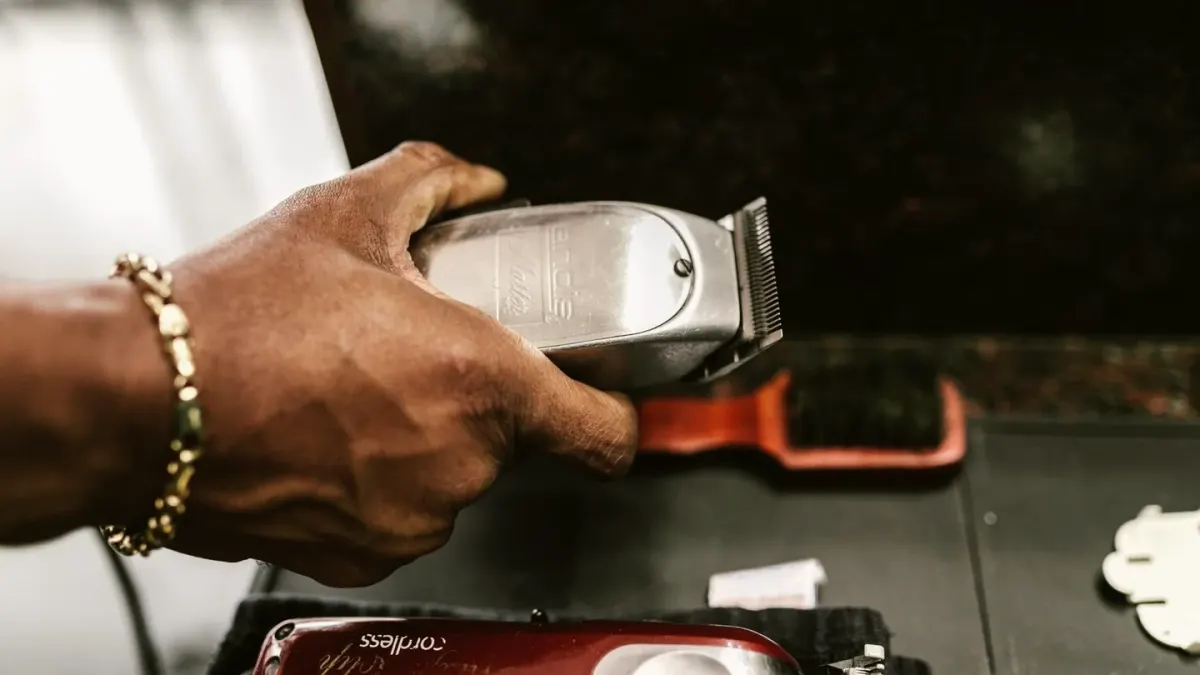
If your dog’s nails and clipping questions come up alongside this, our pieces on dog clippers vs. scissors and how often to trim a dog’s nails round out the rest of a realistic grooming routine.
Bottom line: book a bath-and-tidy for maintenance between cuts, and book a full groom on a real schedule — not just when the coat already looks bad.
Frequently asked questions
Does a bath-and-tidy include any haircut at all?
Usually only light trimming around the face, feet, and sanitary area — the body coat length is left unchanged, which is the main thing that separates it from a full groom.
How often does a dog actually need a full groom?
It depends heavily on coat type; dense, curly, or double-coated breeds often need one every four to six weeks, while smooth short-coated dogs can go much longer.
Can matting become a real health issue, not just a cosmetic one?
Yes — mats that trap moisture against the skin or restrict movement can lead to skin irritation, and severe cases sometimes require shaving down rather than brushing out.
Sources
- What's the Difference Between a Full Groom and a Tidy Up? — Fairview Boarding
- The difference between a full groom and a bath and brush service — Absolutely Animals
- Dog Grooming Tips — ASPCA
- Matted Dog Hair: Expert Grooming Tips — PetSmart
- About NDGAA — National Dog Groomers Association of America