
On this page
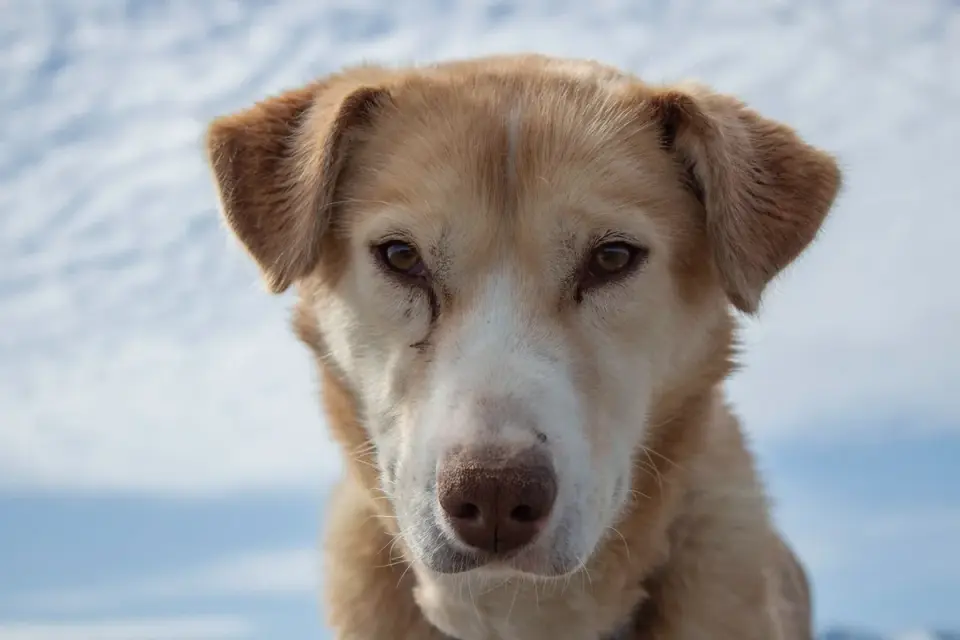
Early this spring I worked through this decision with an 11-year-old, 68-pound retriever mix who woke up stiff and refused the porch steps. He stood, took two short steps, then lay back down with a hard sigh while his owner stood holding the leash. The question was whether to coax him out for movement or call it a no-walk day and protect the joints. We chose rest on an orthopedic bed, carried water and breakfast to nose height, and shifted the whole plan to brain work. By midmorning his eyes softened and he started offering nose nudges toward a towel wrap, which told us the day could still feel good without steps.
That is the decision fork I use for any no-walk day: is this a pain-limited day or a movement-restricted day. A pain-limited day means stiffness, limping, panting at rest, reluctance to rise, or post-procedure soreness where even shifting weight looks uncomfortable. A movement-restricted day means the dog wants to move but should not, after surgery, a wound check, or a veterinarian-directed crate rest order. Both need enrichment, but pain-limited dogs need lower effort, softer surfaces, and shorter sessions with more rest between them.
Start With Comfort Before You Offer Anything
Pain changes the plan.
On a day a dog cannot walk, I settle bedding, water, temperature, and toileting access before I bring out a toy. A non-slip mat under a low orthopedic bed, food and water raised to nose height so the neck does not have to reach down, and a clear path to a nearby potty pad or a carried trip outside prevents the small strains that undo rest. I watch breathing rate at rest, willingness to shift sides, and interest in food as my early signals. If panting rises, the dog turns away, or the body goes stiff, I stop enrichment and let rest do the work.
That caution lines up with how supplement safety groups frame expectations. Guidance from the National Animal Supplement Council emphasizes quality controls and realistic use rather than quick fixes, and the NIH Office of Dietary Supplements frames supplements as additions to a balanced diet, not replacements for rest or veterinary care. I weigh what a supplement can realistically do for diet, mobility, and recovery in the same way: food therapy and well-formulated nutrition may help support whole-patient health during recovery, but no chew or powder makes a sore joint ready to walk today.
Morning: Wake The Nose Without Moving The Legs
Morning is for low-posture scent work from the bed. I like rolled towels, a snuffle mat laid flat beside the elbows, or three paper cups tipped on their sides so the dog can sniff and nudge without standing. Scatter a small portion of breakfast in the folds rather than feeding the whole meal from a bowl. Five slow finds beats twenty fast ones on a sore day.
Hands-on, fit matters more than difficulty here. A flat snuffle mat wins on comfort because the dog can work it lying on one hip, while a tall puzzle that requires pawing or chasing falls short on fit for a dog that cannot reposition. Durability matters less today than stability: a mat that slides across hardwood frustrates a stiff dog, so I place it on a bath mat or rug. For the comparison in detail, see snuffle mat vs lick mat.
Midmorning I tried to push too far with a 6-year-old, 44-pound cattle-dog mix on his second day of乐 rest after a hind-leg strain, and by day 2 the mistake was clear. His owner set a wobbling treat-dispensing ball on the kitchen floor to tire him out, and he tried to chase it from a down position, dragging forward on his elbows. After four minutes he was panting with ears back, had scattered kibble he would not eat, and turned his head away from the ball. We retired the rolling toy, moved a lick mat to his bed at chin height, and cut sessions to three minutes. Within an hour his breathing slowed and he accepted hand-fed kibble again, which showed the enrichment was too physical, not too easy.
Midday: Lick, Chew, And Micro-Training From One Spot
Midday is for repetitive oral behavior and tiny training reps that do not require steps. A soft rubber stuffable toy with soaked kibble, a thin smear of peanut butter or wet food on a lick mat, or a size-appropriate chew held between the paws lets a dog stay in one comfortable position. I keep portions counted inside the daily ration so enrichment does not become overfeeding, which matters for joint load over time.
I score these on the same rubric I use for all gear. Lick mats win on comfort and value for sore days because they are quiet, low-effort, and easy to clean, though they fall short on durability with strong chewers. Rubber stuffables win on durability and fit when frozen and served on the bed, but they lose on value if the opening is too large and empties in two minutes. Long chews win on duration but need supervision for gulping and broken pieces. The brain math behind that tradeoff is covered in chew toys vs puzzle toys.
Between chews I add two-minute training bursts: chin rest in my palm, gentle eye contact, touch a nose to a presented hand, or a whispered name game. Reward with one kibble at a time. Keep criteria easy and end while the dog still wants more. For more low-movement ideas that build on this rhythm, see how to tire a dog without exercise.
Evening: Settle The Brain And Protect Tomorrow
Evening is for winding down, not for one last challenge. I repeat a familiar scent find at half the morning difficulty, offer a brief chew or lick, then dim lights and reduce handling. Dogs that cannot walk often sleep poorly because they ache when they shift, so a final potty opportunity, fresh water at bed level, and a supported lying position matter more than extra stimulation.
Three weeks in with an arthritic 13-year-old, 52-pound hound mix, that edge case changed our evening routine in a way I now watch for. She loved food puzzles but became restless and vocal after them, pacing on her front legs at 9 p.m. and then refusing to lie down. Her owner worried the day had not been enough. We learned she was not under-enriched but over-aroused by food late in the day, so we swapped the evening puzzle for a warm towel wrap with three kibbles tucked inside and slow stroking along the shoulders. By night four she settled in eight minutes instead of forty, which told us arousal, not boredom, was blocking sleep.
The strongest counterargument to this low-and-slow plan is that mental work without physical tiredness leaves dogs wired. On some high-drive adolescents that is true, and skipping all movement can increase whining or mouthing. I still land on restraint for a true cannot-walk day because loading an injured or painful joint to gain sleep risks a longer layoff, while scent, licking, and micro-training may help support calm behavior without that cost. If arousal climbs, I shorten sessions and add rest, not intensity.
Where I land is consistent: protect the body first, feed the nose second, and let chewing and licking close the day. Count enrichment food in the ration, keep every session short enough to quit early, and let pain signals overrule the schedule.
Frequently asked questions
How much enrichment does a dog need on a day he cannot walk?
Aim for four to six brief sessions of 3 to 10 minutes spread through the day, with rest in between. End while your dog still wants more and watch for panting, stiffness, or turning away.
Should I feed all meals through toys on a rest day?
You can use part of the daily ration for snuffle mats, lick mats, and stuffables, but measure it inside the total allowance. Avoid adding large extras that could add weight and joint stress over time.
When should I skip enrichment and call the veterinarian?
Skip enrichment and seek advice if your dog cannot rise, vocalizes with movement, breathes rapidly at rest, refuses water, has swelling or a wound change, or seems markedly worse than yesterday.
Sources
- NASC Quality Program — National Animal Supplement Council
- Dietary Supplements: What You Need to Know — NIH Office of Dietary Supplements