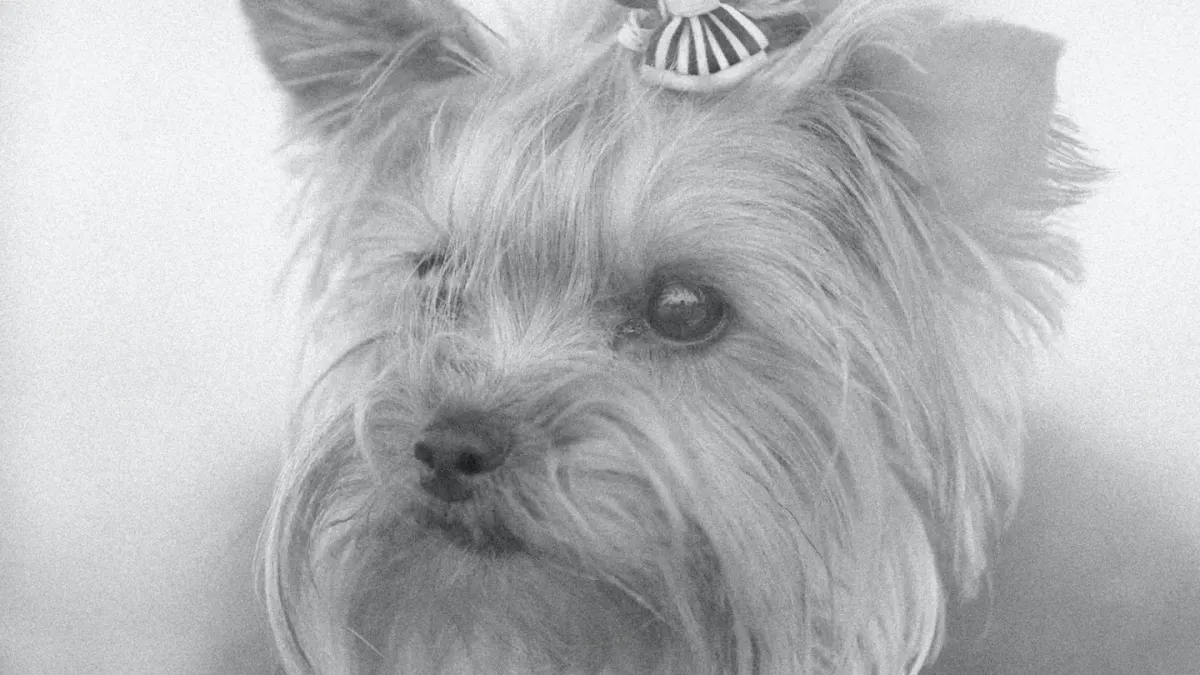
A 4-year-old, 68-pound Labrador retriever came in for itchy flanks and a yeasty odor two days after a home bath, and the owner was frustrated because the bath was supposed to help. The coat looked clean on top, but underneath the dense undercoat was still damp near the skin, with trapped shampoo residue and a few tight tangles behind the elbows. We talked through the sequence — quick rinse, heavy human shampoo, no brushing beforehand, then air-drying on a bed — and how each step had added moisture and friction instead of removing it. That pattern is what I see in day-to-day practice far more than any single bad product.
The bath-before-brush trap
Coat comes before water. Loose hair, undercoat, and early tangles tighten when they get wet, especially in double-coated and curly-coated dogs, and shampoo cannot rinse cleanly through a matted section. Brushing first supports even water flow and better lather distribution.
For routine maintenance between professional visits, owners often do better with a simpler setup than they expect, which is why I usually point them to At-Home Grooming vs a Professional Groomer: How to Actually Decide before they buy more tools. The decision is not bath versus no bath; it is whether the coat is tangle-free enough for water to help.
What skipping the pre-brush does
Work in sections down to the skin with a slicker or comb, then check with a steel comb. If the comb snags, do not bathe yet. Tease that spot apart or clip it out if it is tight to the skin.
How coat type changes the plan
A short-coated hound may need only a rubber curry and a wipe-down, while a Cockapoo or Doodle needs line brushing. The practical differences by coat and size are covered well in Grooming Needs by Dog Size: Small vs Large Breeds and Cockapoo Grooming and Coat Care: A Vet’s Practical Guide.
A 2-year-old small spaniel mix had gone six nights of scratching at the collar line after the owner tried to “wash out” a tangle behind each ear. The baths had felt thorough, with two lathers and lots of rinsing from the top, but the mats had turned into damp felt pads that held shampoo against the skin. Underneath we found red, moist skin and a faint sour smell, and the dog flinched when the comb touched the edge. The fix was unglamorous: dry clip-out of the tight knots, a short course of gentle skin care, then a slower brush-first routine the owner could actually maintain.
Skin barrier first, shampoo second
Skin maintains its protection through corneocytes, intercellular lipids, and a mildly acidic surface that supports normal microbial balance. Hot water, human shampoo, heavy fragrance, and incomplete rinsing strip lipids and leave residue that may help maintain itching rather than relieve it.
Use lukewarm water, a dog-formulated shampoo, and a contact time as directed on the label. Rinse twice as long as you think is needed, until water runs clear and the coat squeaks less and slides clean between fingers.
Drying is part of bathing.
The drying mistake that undoes a good bath
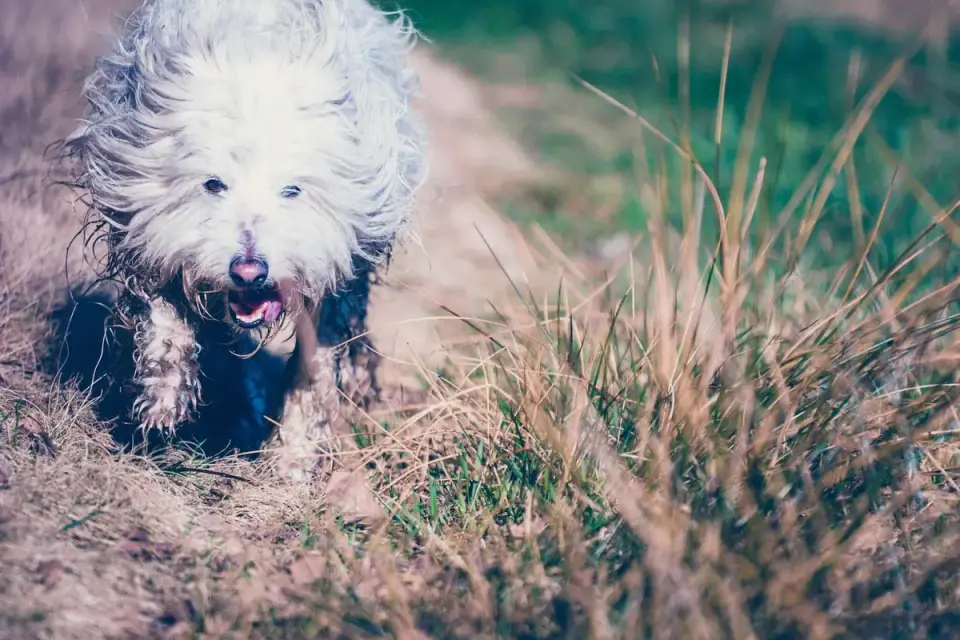
Damp undercoat stays warm and low-airflow against the skin, which supports hot spots and odor. Towel-blot, then use a low-heat dryer or high-velocity dryer on a safe setting while brushing the airflow through the coat. Air-drying a thick-coated dog flat on a bed is asking for trouble.
Ears and eyes need a different standard
Cotton near — not in — the ear opening helps limit water entry, and eyes should be shielded from spray and shampoo. Afterward, dry ear flaps fully. Persistent head shaking, odor, or brown discharge is not normal wax; that needs an exam, not another cleaning.
Nails, teeth, and the spots owners skip
Nails grow with a blood and nerve supply called the quick, which extends farther in overgrown nails. Long nails change foot angle, reduce traction, and may help maintain splayed toes and slipping on floors. Little, frequent trims support a shorter quick over time better than one dramatic cut.
Trim to just before the quick, and in dark nails take thin slices until you see a gray-pink oval or small dark dot centered in the nail. Guidance on technique and restraint is summarized clearly in Nail Trimming for Dogs, and I follow that slice-and-check approach in practice. Grinders may help maintain smooth edges for dogs that crack or split after clipping.
Teeth get skipped because the benefit feels invisible. Plaque mineralizes into tartar within days, and home care supports gum health between professional cleanings rather than replacing them. Daily brushing with a dog toothpaste and soft brush is the standard I defend, as outlined in Brushing Teeth in Dogs. The evidence for dental chews and water additives is thinner, and honest about where the preventive evidence is thin: they may help maintain cleaner teeth in some dogs, but they do not replace mechanical plaque removal.
A 12-year-old arthritic retriever mix could no longer stand for a full bath and groom at age 12, so the owner had stopped grooming almost entirely. Over eight weeks the nails had lengthened enough to click loudly on tile, the rear feathering had felted into two broad sheets, and the dog now lay down to avoid the slick floor. We bent the usual stand-and-groom routine completely: non-slip mat, side-lying brushing in short sessions, a helper supporting hips, and nail trims one paw per visit. The approach is close to what I describe for seniors in How to Groom a Dog With Arthritis, and comfort improved once handling fit the joints.
My take after years of rechecks
If I had to defend one recommendation, it would be this: brush to the skin before water, every time. It prevents most matting, improves shampoo performance, and shortens drying. What would change my mind is controlled evidence that bathing through early tangles loosens them without increasing skin irritation or matting density — and the current evidence does not show that.
Sources
- Brushing Teeth in Dogs — VCA Hospitals
- Nail Trimming for Dogs — VCA Hospitals