On this page
A secure field works best for a dog that tires quickly when you treat it as a controlled sniff-and-rest outing, not a workout. I would book the shortest rental, bring water and shade to the gate with you, and plan to leave with energy in reserve.
The 2-minute gate call: private field or local loop?
- Choose the field if: your dog gets overwhelmed, needs space from off-leash dogs, or quits after 10-15 minutes on neighborhood walks.
- Stay local if: heat, coughing, limping, pale gums, or collapse have shown up recently — call your veterinarian first instead.
- Book short: 30 minutes beats 60 for low-stamina dogs; you can add time next visit.
- Score the rental like gear: fit for your dog’s size and gait, footing that stays soft, comfort with shade and water access, and value for the time you will actually use.
A 9-year-old black Labrador mix arrived for a Saturday morning rental panting before the gate even shut, not from excitement but from the 150-yard walk from the parking area uphill to the entry. His owner had debated the neighborhood block versus the private paddock and chose the paddock for fewer dog encounters. Within six minutes he sniffed the perimeter, urinated twice, then lay down in the shade by the bench. That early lie-down reset the whole plan from fetch to wander-rest-wander, and they left at 25 minutes with him still willing to walk to the car.
Book short, arrive fed and cool
For dogs with low exercise tolerance, timing matters more than distance. Walk in the cool morning or evening, feed the regular meal at least 90 minutes before, and bring the water bowl from home so drinking feels familiar. Look for level grass, short-mowed cover, secure 5- to 6-foot fencing with a double gate, and a shaded corner you can claim as base camp.
Check pads, nails, and harness fit before you unclip. A Y-front harness that clears the shoulders, a 15- to 30-foot biothane long line for controlled roaming, and a non-slip mat or camp chair for your rest station hold up better in daily use than novelty toys. Durability here means hardware that does not jam with grass seed, fit that does not ride into the armpits, and comfort your dog accepts without freezing. If you want more ideas for swapping running for thinking, this breakdown of mental exercise versus physical exercise maps well to a small paddock.
Panting that does not resolve with three to five minutes of shade and water, lagging, sitting down on course, limping, or loud breathing are stop signs. Guidance on exercise intolerance in dogs from VCA Hospitals frames those signs as reasons to pause and seek veterinary assessment rather than push through, especially in seniors and flat-faced breeds.
Run it in bursts, not one long push
Think lifecycle: first 10 minutes to decompress, middle 15 to explore in intervals, last 5 to cool down.
Let the dog sniff the fence line on a long line for five minutes. Then try two to three minutes of slow movement followed by a full rest, repeated. Scatter a handful of kibble in grass for nose work rather than throwing a ball on repeat. Tug with rules can work for some dogs in tiny doses, and the safety notes in Is Tug-of-War Good or Bad for Dogs? are worth a read before you pack the rope.
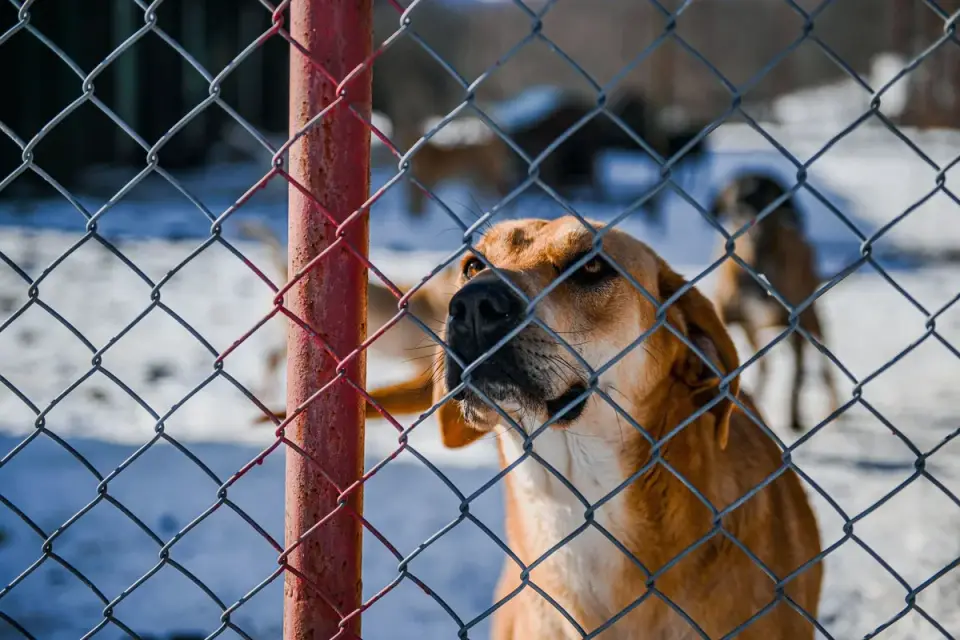
The middle rental hour taught one owner what continuous fetch costs. With a chuck-it style launcher and a young-adult cattle-dog cross that lived for the chase, she strung together four full-field sprints with almost no breaks because he kept bringing the ball back. On the fifth throw he slowed halfway, turned wide, and flopped into the grass with a heavy, ropy pant that took eight minutes to soften. No injury that day, just a dog who needed carrying cues to the shade and a very quiet evening. The tradeoff was clear: retrieving drive masked fatigue until it did not.
Short rest is training. Reward lying on the mat, offer water, check gum color and respiratory effort, then decide if there is another burst in the tank.
What food and recovery support can realistically do
No supplement creates stamina. What diet can realistically do for mobility and recovery is narrower: maintain lean body condition to lower joint load, provide complete and balanced nutrition for daily work and repair, and include long-chain omega-3s where the evidence supports joint comfort as part of a whole plan.
I weigh supplements that way in practice. Fish-oil EPA and DHA may help support a healthy inflammatory response and joint comfort in dogs with osteoarthritis when fed as part of a balanced diet, but they do not replace weight control, conditioning, pain management, or rest. The nutritional evidence summarized by the NIH Office of Dietary Supplements in its Omega-3 Fatty Acids Fact Sheet for Health Professionals details EPA and DHA roles and dose considerations in people, which is useful context when your veterinarian translates a canine plan to calories and product form.
Keep expectations bounded. Glucosamine-chondroitin blends, green-lipped mussel, and omega-3s are widely used for mobility support, yet effect size is modest and varies by dog. What moves the needle more reliably is body condition, surface choice, and pacing across the week — three 20-minute sniff sessions rather than one exhausting Saturday. For pain-related slowing, the 2022 AAHA Pain Management Guidelines for Dogs and Cats from AAHA remind clinicians to assess and treat underlying pain, not just add a chew.
After the field, offer a small water top-up, a normal-sized next meal rather than a double portion, and a soft resting spot. Mild next-day stiffness that resolves within 24 hours suggests you overshot slightly; lameness, cough, or prolonged lethargy deserves a veterinary call.
Short sessions build fitness without fear.
When the 30-minute plan has to bend
The usual advice — arrive, roam, rest twice, leave — bends for brachycephalic dogs, cardiac dogs, and older dogs on warm days. Shorten further, keep to shade, and make sniffing the main event.
A stocky, 22-pound, 13-year-old terrier type showed why during a late-spring booking when the field thermometer read 74°F in the shade. He managed the perimeter once, then parked himself under the bench and refused kibble scatters. Instead of coaxing laps, his owner moved the mat into the shade, poured cool — not icy — water, draped a damp towel nearby for air cooling, and spent 15 minutes on gentle massage and name-find games from a chair. They left after 20 minutes, and he trotted, not dragged, back to the car.
Heat, humidity, altitude, and excitement all shorten stride before you see true lameness. If your dog is flat-faced, obese, deconditioned, or managing heart or respiratory disease, get clearance first and treat any fainting, blue-tinged gums, or collapse as an emergency.
What I would book next time
Book 30 minutes, claim shade first, and run three sniff-and-rest cycles. Pack long line, harness, water, mat, and five minutes of nose games — leave the launcher at home until stamina builds over weeks, not one visit. If your dog lies down early, honor it; that is the field doing its job.
For related context, read Are All Dogs Natural Swimmers? What to Check Before the Water.
For related context, read How to Find Dog-Friendly Patios and Breweries (Without Guessing at the Door).
Sources
- Omega-3 Fatty Acids Fact Sheet for Health Professionals — NIH Office of Dietary Supplements
- 2022 AAHA Pain Management Guidelines for Dogs and Cats — AAHA