
I would rather you buy two right-sized, washable toys than a basket of novelties that shed, squeak apart, or get ignored by Thursday. Data from everyday practice bears that out: most toy failures I see are size and material mismatches, not bad dogs.
A 9-week-old Labrador retriever, 14 pounds at his first visit, came in with a toy bag full of adult-dog rubber and tennis-ball felt. His owner worried he was already a destructive chewer because he shredded a plush in one evening and then lost interest in a heavy hollow chew he could barely carry. We set the big rubber aside for later, kept one soft puppy plush for carry play and one small, pliable rubber teether for supervised chewing, and tied both to short, calm play before meals. By day 10 he was settling faster after play, chewing in 5-minute bursts instead of frantic 20-minute sessions, and the owner finally had a clear read on what mouth he actually had.
Buy for the mouth and body in front of you
Chewing is mechanical work. Deciduous teeth are sharp but thin-enameled, adult jaws close with sustained masseter force, and brachycephalic or small breeds often cannot get purchase on a toy designed for a long muzzle. That physiology is why hardness, diameter, and weight matter more than color or squeak.
The American Veterinary Medical Association frames the starting rule well: choose size and construction for the individual dog, supervise new toys, and remove pieces that can be swallowed or become sharp. In hands-on testing I translate that to three checks. The toy should be too large to lodge behind the canines or slip whole into the back of the mouth. It should give slightly under a thumbnail press for average chewers and puppies, not feel like tool-handle plastic. And it should survive a tug without shedding ribbons, glued eyes, or string.
That thumbnail test still matters.
For food-motivated puppies and rehab cases where I want low-impact enrichment, I lean on nutritional evidence first: calories used in play count toward the daily diet, and what may help support recovery is consistent, moderate activity paired with adequate protein and controlled energy intake, not any single toy feature.
What survives the first two weeks
A 2-year-old, 48-pound mixed-breed dog showed the other failure mode. Her owner bought a rope knot advertised as indestructible, left it down all day, and by night 4 the dog was pulling 2-inch strings free and swallowing them between fetch throws. We pulled rope from solo access entirely, moved it to interactive tug only, and added a solid rubber fetch toy sized for her muzzle plus a washable plush reserved for bedtime carry. The string-chewing stopped because access changed, not because the dog learned restraint, and the owner kept fetch to two 10-minute sessions to protect shoulders that were already tight from abrupt stops.
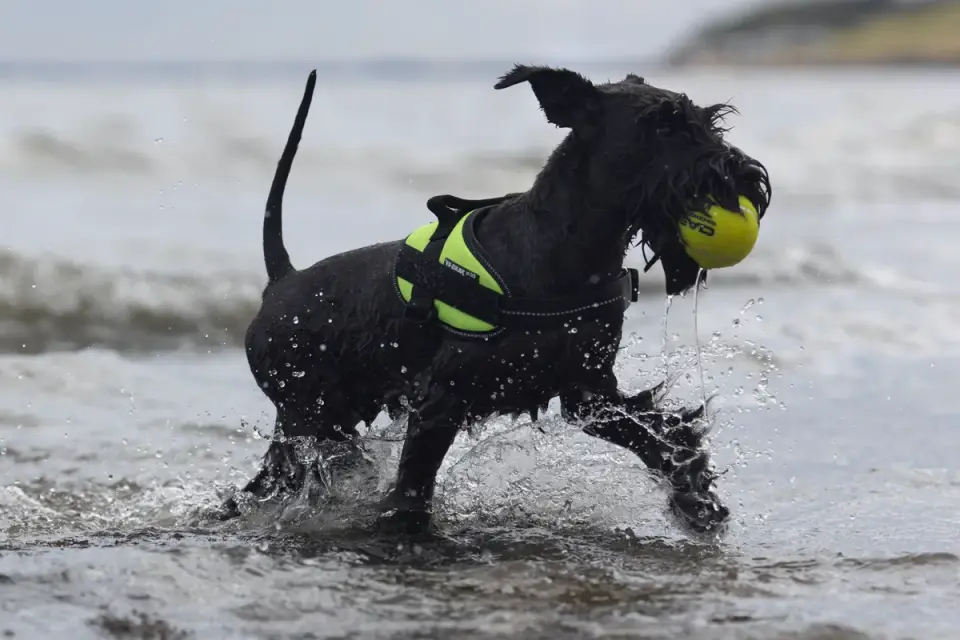
That pattern repeats in testing. Rope holds up for supervised tugging and then frays; plush holds up for carrying and comfort and then dies as a chew; molded rubber holds up for chewing and fetching and then gets ignored if it is too heavy or too hard. If you want detail on those tradeoffs, compare Rope Toys vs. Plush Toys for Chewers: How to Actually Choose and Interactive Toys vs. Chew Toys: When to Use Each before you buy duplicates of the same texture.
For dental claims, I stay narrow. The Veterinary Oral Health Council maintains the only product list I trust for plaque and tartar control, and most general toys will never meet that bar. A toy may help support normal chewing behavior and, through mechanical action, may help support cleaner tooth surfaces, but that is not the same as a VOHC-accepted dental effect. If periodontal disease is already present, no toy replaces professional care.
Wash it, rotate it, retire it on time
Mouths are bacterially dense, yards are dirty, and porous toys hold both. The American Kennel Club notes much the same practical point I give owners: match toy to size and play style, inspect often, and discard when pieces loosen. My rubric is durability, fit, comfort, and value scored on the same rotation every time.
In practice that means two to three toys out, the rest stored. Rinse solid rubber after outdoor use, machine-wash plush on gentle and dry fully, air-dry rope completely to limit odor, and log which toy earns play. Our full cleaning protocol lives in How to Clean and Disinfect Dog Toys, and the edible-versus-inedible line is worth a re-read in Chew Toys vs. Edible Chews: What’s the Difference because owners often treat them as interchangeable.
A 7-year-old, 22-pound senior spaniel with a missing upper canine needed the usual advice bent. Standard small fetch balls rolled too fast for her on hardwood and she dropped hard rubber after about 30 feet of carrying. We switched to a single low-bounce, soft-coated fetch toy used only on a 40-foot hallway runner, kept sessions to 6 minutes to limit panting, and left a flat, joint-friendly plush in her bed for mouthing. She carried more, dropped less, and stopped guarding toys she had previously found painful to hold.
I will keep defending one bounded recommendation: fit and material beat features. If new evidence showed a specific texture reliably reduced plaque across breeds under controlled conditions, or a novel construction eliminated foreign-body risk while preserving chew interest, I would change the pick. Until then the current evidence does not support crowning squeak, crinkle, or extra-hard chew as healthier, only as preferences some dogs hold and others abandon.
Forward-looking, buy small, test supervised, and let the next purchase follow what your dog actually carried, chewed, and left intact.
Frequently asked questions
How many toys does a new dog need at first?
Two to three is enough: one pliable chew for supervised chewing, one fetch or tug toy matched to muzzle size, and optionally one soft carry toy. Rotate the rest out of reach and replace based on wear, not the calendar.
Are harder chew toys better for teeth?
Not automatically. Very hard toys can risk tooth fracture and most general toys lack VOHC acceptance for plaque control. Choose a toy that gives slightly under thumbnail pressure for most dogs and prioritize size, supervision, and regular dental care.
When should I throw a dog toy away?
Retire it when you see frayed strings longer than a thumbnail, exposed squeakers or stuffing, cracks with sharp edges, or pieces small enough to swallow. Rope fraying and loose plush parts are the most common reasons I discard first toys.
Sources
- Selecting Safe Toys for Pets — American Veterinary Medical Association