Best thing to wash puppies with is lukewarm water and a little puppy wash when truly dirty.
| Product | Vet rating | Best for | Pros & cons |
|---|---|---|---|
| Rubber Puppy Teething Toy Generic | 9/10 | mouthy bath beginners |
|
| Rubber Slow-Feeder Suction Toy Generic | 8½/10 | distraction during rinsing |
|
| Sealed Floating Squeak Toy Generic | 8/10 | confident water players |
|
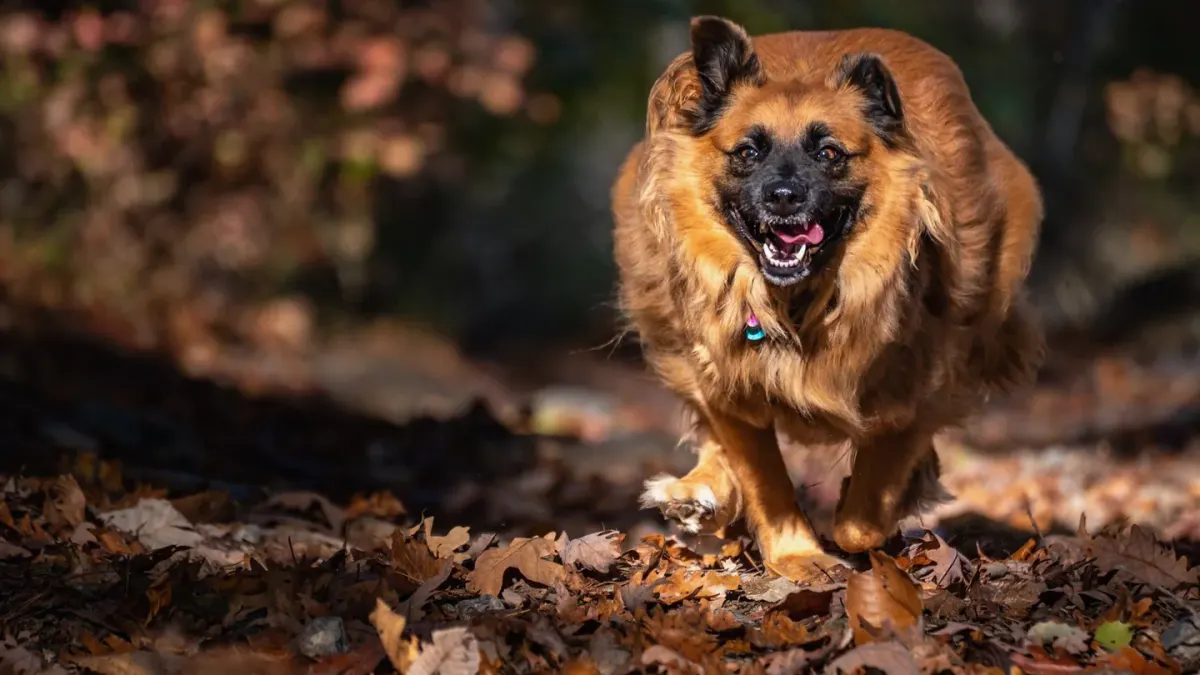
For most puppies, plain lukewarm water plus a small amount of puppy-formulated wash for dirty spots beats frequent full shampoos. Over-bathing strips oils that support normal skin barrier function, so dirt alone is rarely a reason for soap.
Quick decision checklist
- Rinse first: lukewarm water removes mud, sand, and saliva for most messes
- Save wash for odor or greasy residue: use a puppy-labeled product, pea-sized amount, rinse fully
- Skip adult, scented, or dish products: puppy skin is thinner and dries faster
- Bathe less often: every 4–6 weeks or when visibly soiled, not weekly by default
- Make water positive: one washable toy, warm room, nonslip mat, short session
The evidence for gentle routines is consistent across grooming guidance from VCA Hospitals and the ASPCA, both of which emphasize lukewarm water, thorough rinsing, and avoiding harsh products.
Start with water, add wash only when needed
Puppy coats trap playground debris without holding much odor. A focused rinse of paws, belly, and rear clears most of that without exposing the full coat to surfactants. When residue remains after rinsing, a dilute puppy wash applied to hands first, then to the dirty area, gives control over amount and contact time.
Temperature and handling matter more than product choice. Lukewarm water, calm restraint, and complete rinsing help support normal skin hydration better than a premium label left in the coat. Vets often see dry flaking after owners bathe weekly with good intentions.
Katherine in Honolulu learned this with Chappy, her 9-month-old intact male Whippet. After three baths in two weeks for beach sand, his flanks looked dull. She switched to paw rinses after beach walks and one full wash at week four, using a single rubber toy as a tub distraction.
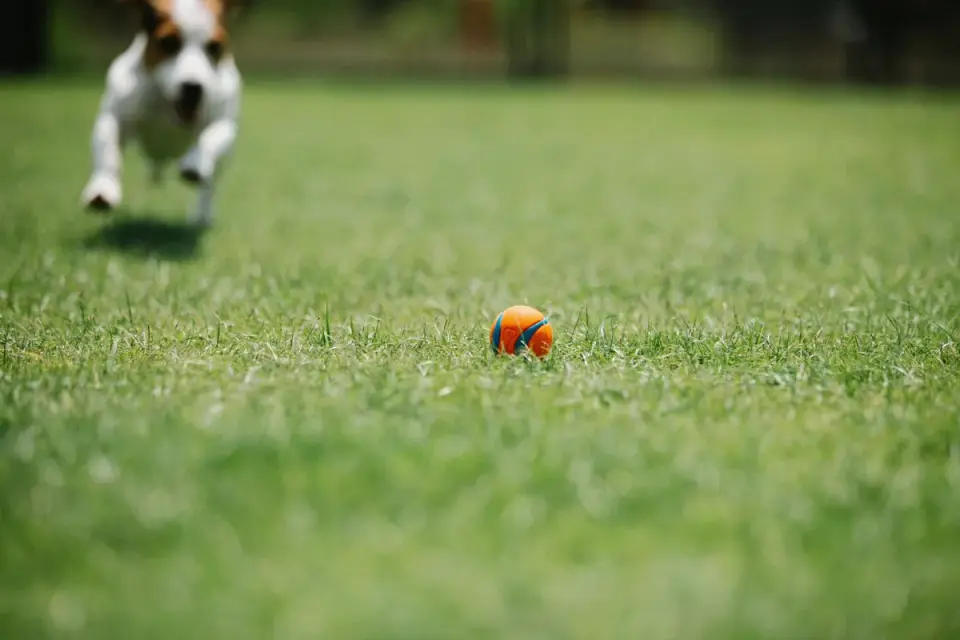
Washable toys that earn a place at tub time
Bath time goes better when the puppy has something safe to mouth or lick. The picks below were compared on the same gear rubric: fit for puppy mouths, comfort during handling, durability with repeated washing, and value for routine use.
All three tolerate rinsing and air-drying without harboring odor the way plush does. For deeper cleaning between baths, see guidance on How to Clean and Disinfect Dog Toys. For choosing textures outside the tub, Chew Toys vs. Edible Chews: What’s the Difference helps match hardness to age.
Durability claims here reflect hands-on routine use, not laboratory testing. Discard any toy with cracks, torn edges, or missing pieces.
Where I land for most puppies
Use water as the default. Reserve puppy wash for localized soil, rinse until water runs clear, then dry ears and skin folds gently.
Keep sessions short.
Troy in Arvada tried this fork with Taz, his 9-month-old intact male English Bulldog mix. Taz disliked the sprayer from two feet away. Troy switched to a low-flow pour cup and a slow-feeder suction toy for about five minutes, then toweled folds dry. Bath resistance dropped without adding more product.
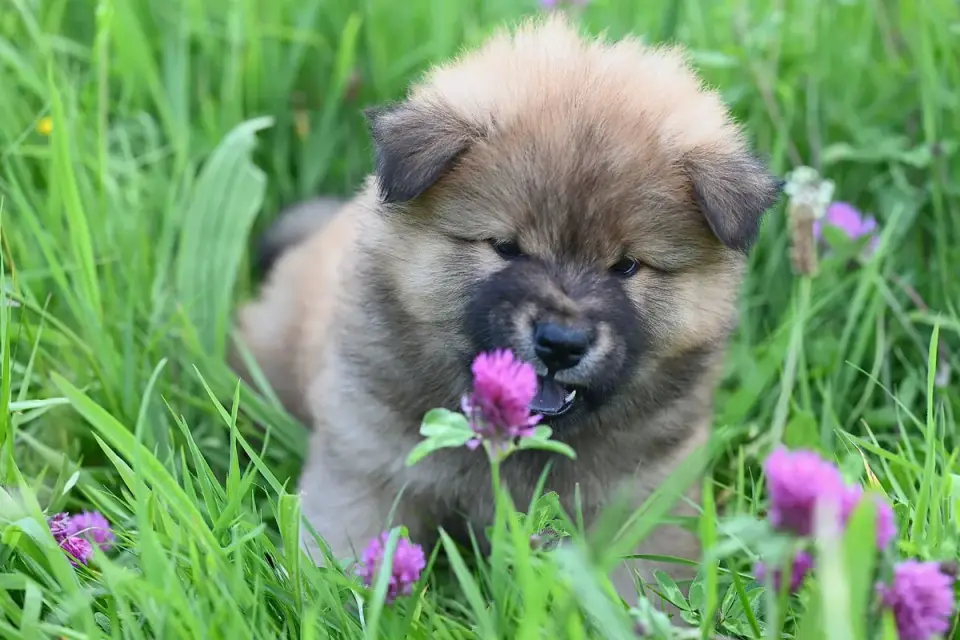
For indoor play on no-bath days, rotation with calm puzzles helps burn energy without another trip to the tub. Ideas in How to Exercise a Dog Indoors With Toys During Bad Weather keep muddy paws to a minimum in the first place.
Frequently asked questions
How often should I wash my puppy?
For most puppies, rinse dirty paws as needed and save full baths for visible soil or odor, often every 4–6 weeks. Ask your veterinarian if skin looks dry or itchy.
Can I use adult dog shampoo on a puppy?
Puppy-labeled formulas are the safer default because they are made for more sensitive skin. Use a small amount and rinse completely.
Is water alone enough after play?
Yes for dust, sand, and light mud. Add a little puppy wash only when odor or greasy residue remains after rinsing.
Sources
- Dog Grooming Tips — ASPCA