On this page
Supervise antler and horn play up close, in short sessions, and pull the chew before it splinters. That is the whole fork: either you are in the room watching teeth, paws, and fragments, or the hard chew stays put away.
A 3-year-old, 68-pound mixed-breed dog in a small apartment learned this the fast way. The owner set down a split elk antler after dinner on a Tuesday, then stepped into the kitchen for six minutes to wash dishes. By minute four the dog had wedged the narrow tip behind a carnassial and was pawing hard at his muzzle, drooling in a thick rope. The owner fished out a pea-sized shard, tossed the antler in a cabinet, and kept the next session to 12 minutes on a rug within arm’s reach. That dated timeline — six unsupervised minutes versus 12 watched minutes — changed what got chewed and what got swallowed.
Stay close or store it — there is no middle setting
Put the antler or water buffalo horn down only when you can sit with the dog. Keep it in hand’s reach, on a non-slip surface, with no other dogs competing for it. Resource guarding escalates fast around high-value hard chews.
Size for the mouth in front of you. The chew should be longer than the muzzle and too wide to fit sideways between the rear teeth. For most medium and large dogs that means a thick, 6- to 7-inch section, not a thin tine. Small, worn nubs that could be swallowed whole come out of rotation. This is also where food therapy and supplement science stay honest: a mineral-rich antler may help support normal chewing behavior and daily enrichment, but it cannot realistically balance a diet, rebuild joint cartilage, or drive recovery on its own.
I score hard chews on the same rubric I use for all gear — fit, durability, comfort, and value — and antler and horn win on durability and lose on forgiveness. They do not give under pressure. The American Veterinary Dental College notes that chewing very hard objects is a common route to fractured teeth, especially slab fractures of the upper fourth premolars. Check the full guidance on chew toys vs. edible chews before you decide which category your dog belongs in.
Set the chew before teeth touch it
Do work before the session. Rinse a new antler or horn, sand any sharp rim with a nail file, and check for cracks, loose flakes, or a sour odor. Offer split antler for a tentative chewer that licks and scrapes; save dense whole antler and thick horn for a confirmed, methodical gnawer. Skip hard chews entirely for puppies with deciduous teeth, seniors with worn or crowned teeth, and any dog with a prior tooth fracture.
Keep sessions short. Start with 10 to 15 minutes, once daily at most. Hold one end for the first minute to gauge pressure. Listen for grinding versus cracking. Watch jaw position. Let the dog scrape with incisors and canines, not clamp full force with carnassials.
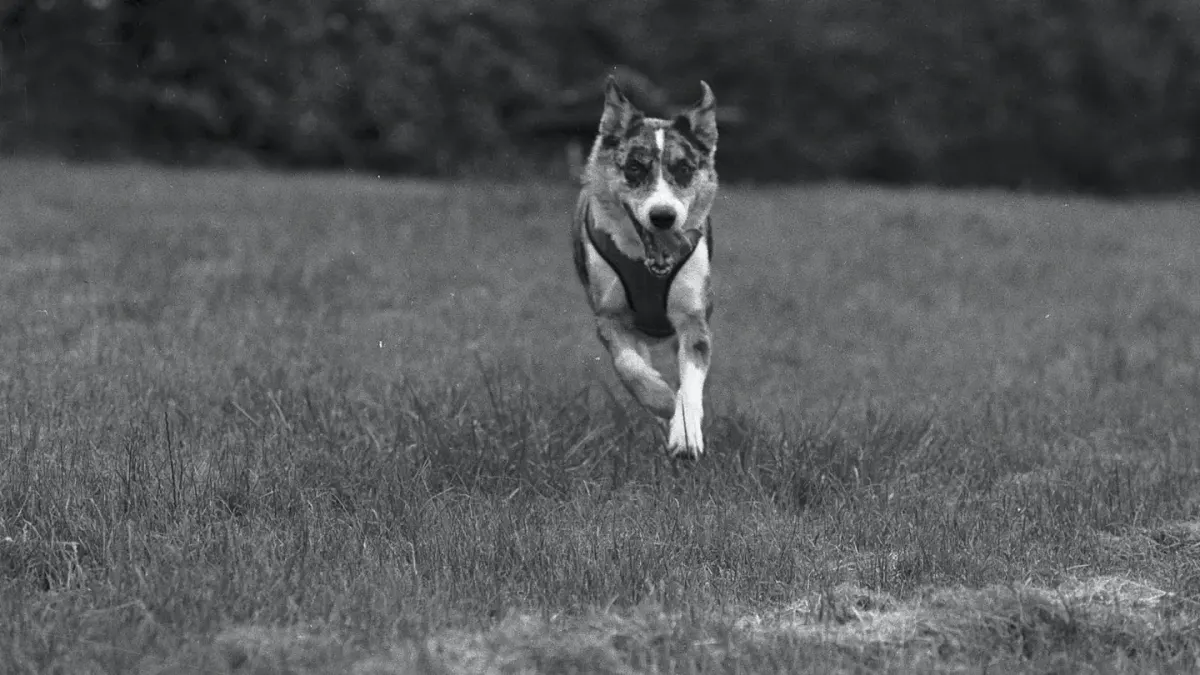
An 11-month-old, 42-pound cattle-dog type showed why setup matters more than toughness. She was a classic destroyer, the kind that finishes three rubber toys in a weekend, so the owner bought the densest whole antler on the shelf. She ignored it for four nights, then tried to crack it behind the couch on night five and yelped when it jammed against a molar. The owner swapped to a shorter, split piece held on a mat for 10-minute sessions, and the dog settled into steady scraping instead of biting down hard. The count told the story: three destroyed toys and four ignored nights, then calm chewing once the shape fit the dog.
Watch the mouth, the paws, and the pieces
Stay engaged the entire time. Remove the chew for pawing at the face, sudden head tilt, high-pitched yelp, bleeding gums, or frantic licking. Inspect every few minutes for sharp edges, peeling layers, or fragments larger than rice. Rinse off slobber and grit that increases abrasion.
Trade, do not pry. Teach a clean drop with a high-value treat, then lift the antler straight up. Never yank it from clenched jaws.
Track wear across sessions. Antler should wear to a smooth, chalky surface; horn may delaminate in thin sheets. Discard when any dimension could fit entirely in the mouth, when cracks run lengthwise, or when the dog starts trying to break off chunks rather than scrape. The Veterinary Oral Health Council maintains its own testing standard for products that claim to control plaque or tartar, which is a useful filter when marketing sounds bigger than the evidence. Pair that with routine checks described for rubber vs. nylon chew toys and interactive toys vs. chew toys.
Know when to end the session for good
End the chew while it is still boring. Cool water, a quick brush of the muzzle, and a look inside the lips close the loop. Log which side the dog favors. Favoring one side for more than a day, dropping kibble, or avoiding the chew warrants a dental exam.
That changes for the dog where my usual advice bends. A 9-year-old, 24-pound terrier mix with two extracted premolars and early kidney disease still loved to chew for comfort in the evening across the living room rug, about 15 feet from his bed to his water bowl. Hard antler was the wrong call there despite perfect supervision. The owner retired it and moved to a soft rubber holder with a thin smear of canned food for eight minutes, then brushing. No cracked teeth, no late-night vomiting from swallowed horn flakes, and the ritual stayed intact. The American Veterinary Medical Association frames this well in its baseline dog-care guidance: match the activity to the animal in front of you, not the label on the package.
So where do I land? For healthy adult dogs with intact teeth, a well-sized split antler or thick horn, given for short, fully attended sessions and retired early, may help support normal chewing enrichment within a complete diet and training plan. For aggressive clamp-and-crack chewers, puppies, seniors, or any dog with dental disease, skip the hard stuff entirely — what would you choose for comfort instead?
Sources
- Pet Dental Care — American Veterinary Dental College
- Accepted Products — Veterinary Oral Health Council
- Dog Care — American Veterinary Medical Association