On this page
Toss the ball, watch the dog, pocket the ball when the chase ends — that is the whole job when you supervise play with a tennis ball.
I score this category the way I score all gear: fit for the mouth, durability under teeth, comfort during real fetch, and value over time. A standard tennis ball wins on bounce and value and loses on durability and fit. The felt abrades enamel with repeated chewing, the seam opens under a determined chewer, and the compressed size can lodge in a large throat. That does not make fetch off-limits. It makes you the safety mechanism.
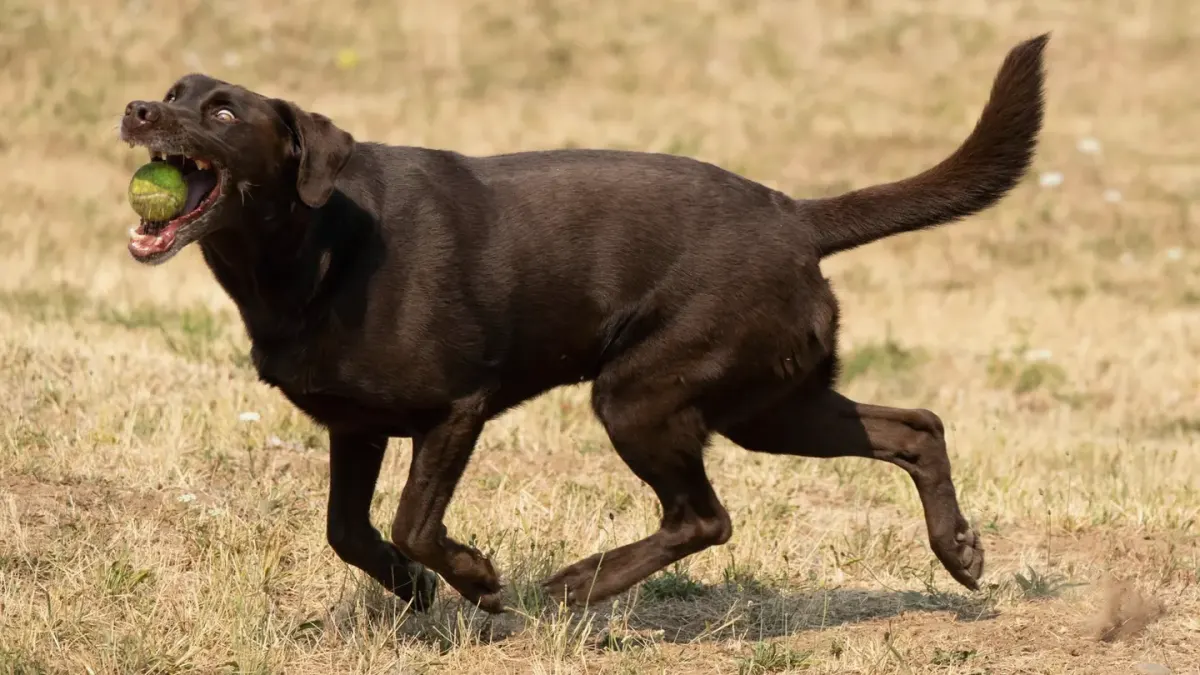
A 68-pound, 3-year-old Labrador taught me how fast the fork appears. We were on a mowed soccer field at 7 a.m., working 40-yard throws with a long-handled launcher to keep my hands out of the slobber zone. He sprinted clean lines, braked hard, and returned to hand for six reps, tongue long but breathing even. On rep seven he veered off, dropped to his chest, and started worrying the ball between his premolars like a chew. That was the decision point: keep throwing a now-wet, compressed ball to a tired dog, or call the chase game done and switch to sniffing. I pocketed the ball, leashed up, and let him decompress on the walk out.
Set the field before you throw
Do the 10-second check. Squeeze the ball. If it compresses flat, cracks, leaks gray dust, or shows a lifted seam, bin it. Carry two fresh balls so you can trade rather than wrestle one out of a mouth. Choose open ground away from roads, ponds, and stick piles, with room to throw in straight lines rather than sharp turns that load shoulders and cruciate ligaments.
Stand square, ask for a sit and eye contact, then throw low and long. Keep the dog in sight the entire flight. Run toward the dog for the return rather than calling into a full-speed collision. If you want background on why material matters here, read Tennis Balls vs. Rubber Balls for Fetch: Which One Should You Actually Throw? before you stock your fetch bag.
Let them chase, don’t let them chew
Fetch is carry and release. Chewing is where felt wear, gut irritation from swallowed fuzz, and choking risk climb. The American Veterinary Medical Association advises choosing toys sized to the dog and supervising play, discarding toys that break into pieces — sound guidance for tennis balls that start shedding.
So run a tight loop: throw, return, trade for the second ball or a treat, pocket the first. Cap chewing at zero. If the dog drops to gnaw, step in, offer the trade, and reset. Two to three short bursts beats one long grind, especially for puppies and blocky power-chewers.
I learned the chewing limit the hard way with a 9-month-old, 22-pound beagle mix in a fenced backyard. She was not much of a retriever but she loved to dissect. Over four evenings she peeled the felt off three balls and left yellow-green piles of fuzz by the patio steps. On night four she gagged, hacked up a wad of felt, then dove right back for more. I had been treating the balls like durable chew toys and leaving them in a basket between sessions. I pulled every tennis ball from free access that night, moved fetch to a leash-long hallway game with a trade every rep, and saved chewing for a rubber chew rated for her jaw.
Read the dog and end early
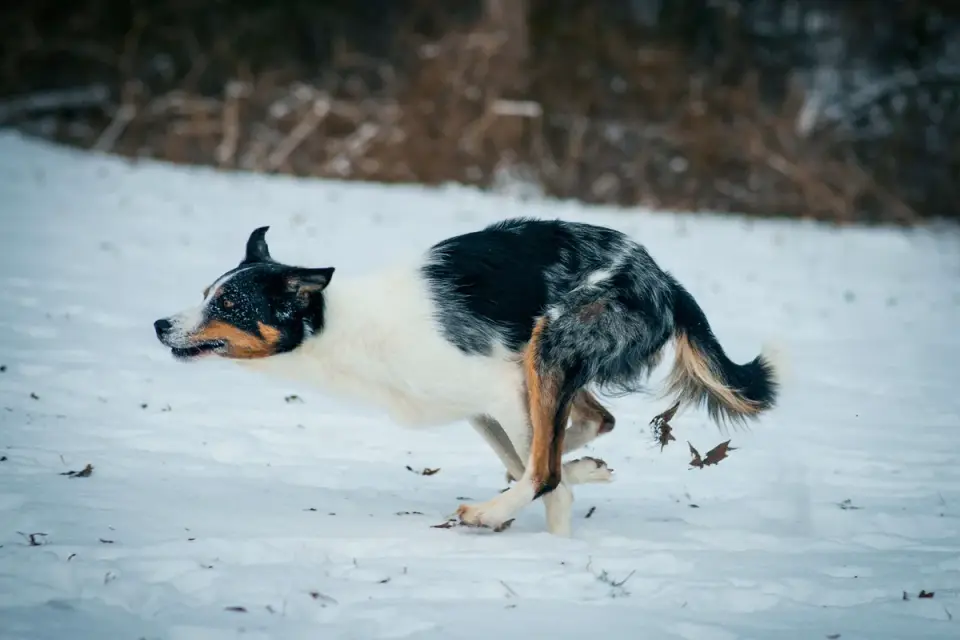
Watch mouth, coat, and gait. Heavy drooling with strings of felt, pawing at the muzzle, repeated swallowing, coughing, labored panting, lagging on the return, or a sudden sit-down means stop. Offer water, walk it off, check the mouth for fuzz packed between teeth. The U.S. Food and Drug Administration notes that toys should be intact and appropriate for chewing behavior, with supervision during play — a useful bar for ending a session before a ball becomes a project.
Rinse balls after muddy or sandy play and retire them early. Sandy felt acts like sandpaper on teeth. For a cleaning routine by material, see How to Clean and Disinfect Dog Toys. Never leave tennis balls in a crate, yard, or toy box for solo chewing. Fetch toys live with you.
From a nutrition and recovery angle, weigh what a supplement can realistically do for diet, mobility, and recovery. Good conditioning, lean body weight, and rest may help support joints after sprint-heavy games more than any powder added on top. For a sore senior or a hard-training athlete, talk with your veterinarian about whether a joint-support plan fits the whole diet — then still manage the load with shorter throws and softer footing.
The bend in the rule came with an 11-year-old, 54-pound cattle-dog mix with worn canines and early arthritis. Her owner, worried at first, wanted to quit fetch entirely after the vet flagged tooth wear in March. Total rest left her stiff and restless by April. We kept a modified game: one tennis-ball-sized rubber ball only, five gentle 10-yard rollers on grass, no jumps, with a sit-to-start and a walk to cool down. She carried without chewing, moved more freely that spring, and the owner finally had a predictable endpoint instead of an open-ended chase.
My call for most dogs
Use tennis balls only for active, eyes-on fetch. Inspect, trade, interrupt chewing, and quit while the dog still wants one more. If your dog lives to chew, chews through seams, guards the ball, or has heavy tooth wear, switch that dog to a larger solid rubber fetch ball and keep tennis balls out of the house.
Frequently asked questions
Can I leave a tennis ball with my dog unsupervised?
No. Keep tennis balls for interactive fetch only and put them away after. Solo chewing raises risks of felt ingestion, seam failure, and choking.
How do I know when to throw a tennis ball away?
Retire it when felt is bald or peeling, the seam lifts, it stays compressed when squeezed, or it holds sand and grit. When in doubt, replace it.
What should I do if my dog swallows felt or part of a ball?
Stop play, check the mouth safely, save any pieces, and call your veterinarian promptly — especially for gagging, pawing at the mouth, vomiting, or lethargy.
Sources
- Selecting Safe Toys for Pets — American Veterinary Medical Association